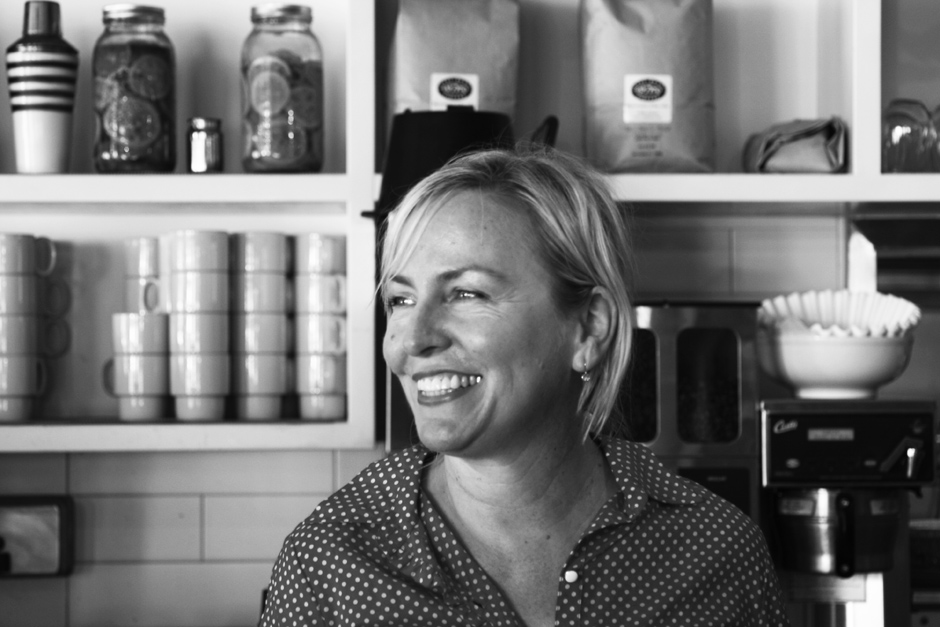
If you were in an indie band in the 90s—which many of us were—and at least one band member wasn’t sporting a Built By Wendy guitar strap, you could expect to politely be asked to leave the stage. Politely, because, you know, indie rock, but still, they were nearly ubiquitous with the indie music scene of the time.

Rather than just prove to be a flash in the pan, though, Built By Wendy founder + designer Wendy Mullin took the interest in her hand-sewn guitar straps and turned it into an internationally recognized, yet still independently run fashion house with multiple storefronts and scores of fans among the indie music crowd as well as Hollywood celebs.

Over the past few years, Built By Wendy’s felt the same pressure that many small design houses have felt and Wendy’s evolved with both that and changes in her own life. We took a moment to catch up with Wendy to talk about the shifting landscape for small designers, the evolution of Built By Wendy, and her just-announced resort wear line, Soft Rock.

raven + crow: Alright, so, first off, thanks for taking some time to talk with us. Like many, we’re long-time fans—we used to buy your guitar straps back in the day. You made one for Katie that was cherry red and used a bunch of Wonder Woman comics of her kicking ass. She still has it to this day. How did you get started making those?

Wendy Mullin: I had a lot of friends who played guitar and I thought the straps were sort of boring so I took one and started sewing vinyl and pockets and things on it. I also worked at a couple record stores, so I was able to sell them there and get a quick response.

Makes sense. But then how does one go from making highly sought after guitar straps to running a fashion line with multiple storefronts in multiple cities? I know you used to work with Kim at X-Girl—another line that we loved. Did that sort of introduce you to the fashion world?

Actually, I was making clothes and selling them at a few shops starting in 1991, it was only when I was living in New York and made the guitar straps did people start writing about what I was doing. Kim and Thurston used to shop at the record store I worked at so I was friendly with them. They bought my clothing and guitar straps, then later, when Kim did X-Girl, I ran into her at a show and asked if she needed help, so I worked with them for a bit on a freelance basis while I was doing my own thing. Then Mike D asked me to do some designs for X-Large.

Man. I’m pretty sure someone should turn all of that into some sort excellent memoir of the that era in New York. It’s so seminal for so many of us still. So, relatively recently you moved Built by Wendy to an online + wholesale only model. Sad for us to see the storefronts close, but it seems like a move a lot of people are making of late. Is it something you did out of necessity or was it just out of a desire to simplify things?

A bit of both. New York has gotten so expensive, so it’s really difficult to have a small indie business. I know so many artists and small businesses that just can’t sustain all the costs—workman’s comp, liability insurance, payroll taxes , high rents, compliance with ridiculous outdated policies in the city that are pushing small people out. I could have reopened in a cheaper neighborhood but I was tired of having a shop after having a kid. I needed to simplify.

Yeah, for a while there, you had multiple stores in NYC and a shop in LA. I feel like we saw a number of designers we like feeling this whole sustainable growth thing out—’How big do we grow how quickly where and when without totally collapsing on ourselves.’ It seems like the most stressful part of running a successful product-based business. Has that been trying over the years? I could see just wanting to focus on the…art or design of things, less the business.

I pretty much did everything myself, from designing to production to patterns to overseeing the running of the business. It was too much for anyone, really. I didn’t have any partners or financing so my model of business was just not really viable anymore. You can only go so far doing it all on your own.

Yeah, hard not to burn out on what you love doing that. I feel like the whole economic downturn really hurt specifically independent designers, especially in New York, where things just got even further apart in terms of the haves vs the have-nots. So many of our friends who had their own lines or shops had to shutter in the past five or so years. How do you see things having changed for independent fashion designers in recent times?

For many years I always said that my company really should not exist. I feel like I was the last of my peers to hold on as it just really wasn’t feasible to have stores with expensive rents and stocking a lot of inventory with no investors or partners. When I started, there wasn’t really the market there is now. There were teen clothing and designers but there wasn’t this boutiquey market that is quite saturated now. With technology and easy communication, almost anyone if they have money can do a clothing line and get it produced. There is just so much clothing out there and so many options. And people shop so differently—people who shop at Bergdorf’s will also order stuff from Urban Outfitters online. It used to not be that way. And if you are an indie designer then you have bigger companies buying your stuff and knocking you off thus diluting the coolness of your product.

It’s hard not to get depressed thinking about that.

I’ve seen your early looks described as something along the lines of ‘sexy elementary school teacher.’ Be that accurate or not…or creepy or not, I think it’s safe to say the Built by Wendy look evolved a lot over the years. Is that something you see as deliberate or did the looks change more as your tastes changed?
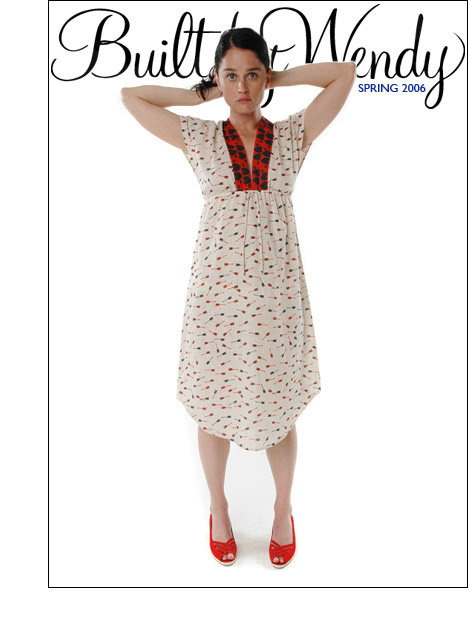
SP06_COVER_420-ROBIN_blkI’m hoping that any designer who has been designing over 20 years has evolved. I started at 20 and now I’m over 40 so what I like to wear and what inspires me has evolved over the years. But mainly it’s financial. When I was 20, I couldn’t afford to design my own fabrics and prints or afford nicer fabrics, so I just did what I could with what I had available to me. Most fabric houses had very large minimum orders, so even having access to fabric was difficult. As I grew financially, I was able to get my own colors dyed or buy silk or cashmere and could have access to mills because I could buy their minimums.

I love that you can visit your site and scroll down from recent collections all the way back to your 2003 collection, which is when we first moved to New York. It’s like a visual fashion chronology or something. To this day, Katie’s got this awesome black, long-sleeved dress you did back in the early aughts, I think, in this Japanese print with floral borders that’s still totally going strong. No question there…just…awesome dress.

THANKS!

You just did a kids line last year, right? I know you recently had a child yourself—congrats, by the way. I assume this is somehow related? Were you just like, “I need some cool kids’ clothes, man. Baby Gap is NOT cutting it”?

I was actually a childrenswear major at FIT in 1992. I had done some kids pieces throughout my career but, once I had a kid it seemed natural to try to do a collection plus i wanted to focus on something new rather than another women’s collection another season.

And now you’ve got a brand new adult line—Soft Rock, which strikes a noticeably different tone than your former lines, I think. What’s the story behind the Rock?

I’ve done a lot of cotton gauze pieces throughout the years, so I kind of consolidated it into just one relaxed resort line feel. I’m not sure if it’s that much different—several of my collections have been inspired by a resort summer vibe; south of france or greek islands. I think it’s just the way it’s marketing that gives that impression but it’s not that different as far as actual styles go.

And the name—tongue-in-cheek?

Yeah—I’ve always been associated with music, so I thought it was appropriate as this is my middle aged response to fashion. But also i think the words soft rock without the music connotation are dichotomous, which is an idea i’m into exploring.

I assume that’s a deliberate move, not to just use ‘Built by Wendy’ as the moniker again. Do you see this growing into something else entirely or a new phase in your career…or are you just testing the waters right now?

I’m not sure. I felt that BBW has gone a long way and I think it should be left representing the first half of my life. I’m into doing a lot of different things, new things, so I don’t want to have a 20 year history somehow framing how I need to do and think about anything.

Really nice way to think about it. The new line—it’s done via something called BYCO? Is that just a vendor site, or…I read something about designers uploading designs and accessing fabric libraries and the like?

Yes—BYCO is this amazing platform where designers can create collections and they handle everything from sample development to production to distribution. I think it’s a new model for independent designers as all of the above really seems too costly and inefficient in these times. I’m happy to focus on design and someone else can do the rest.

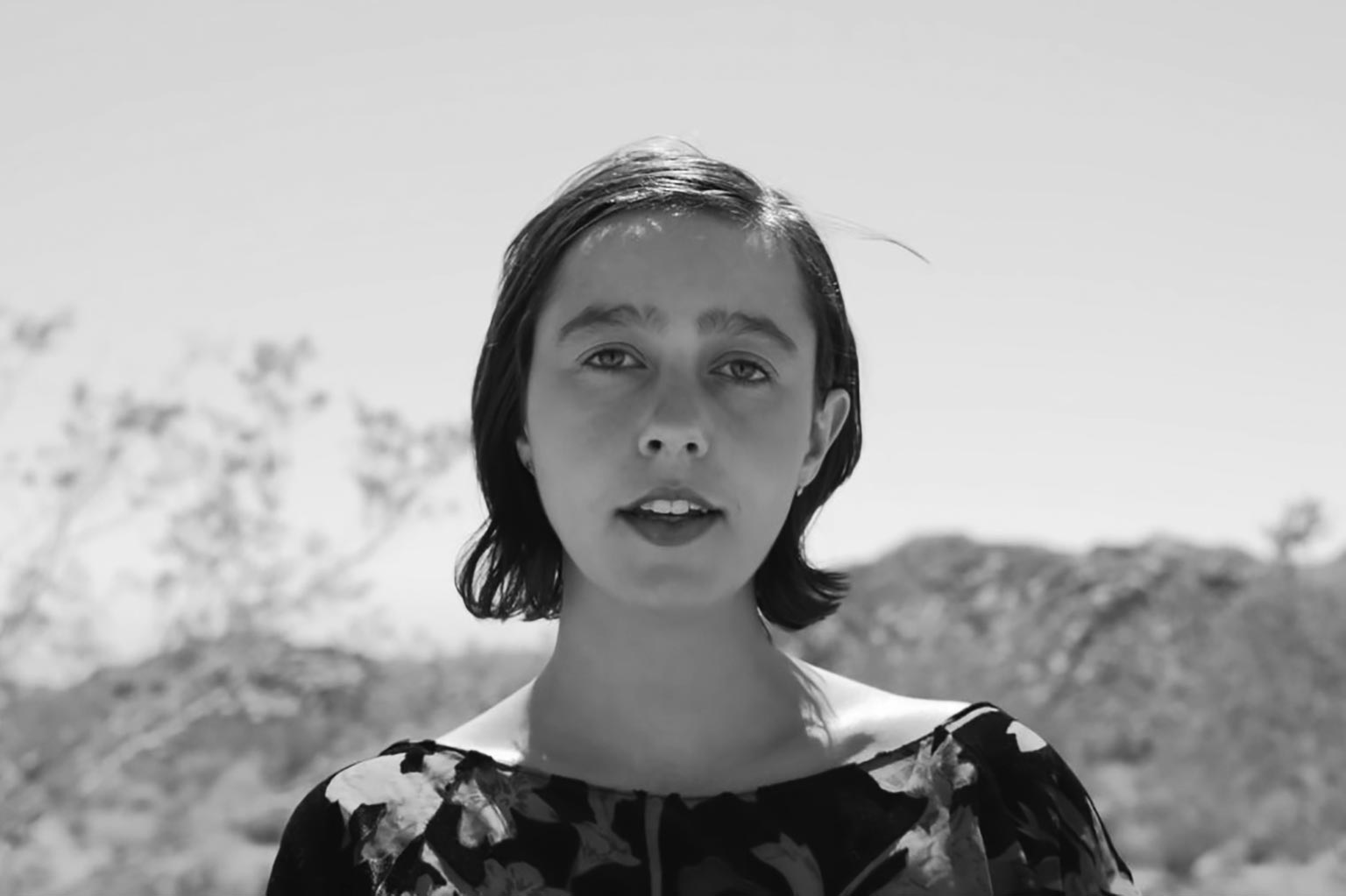
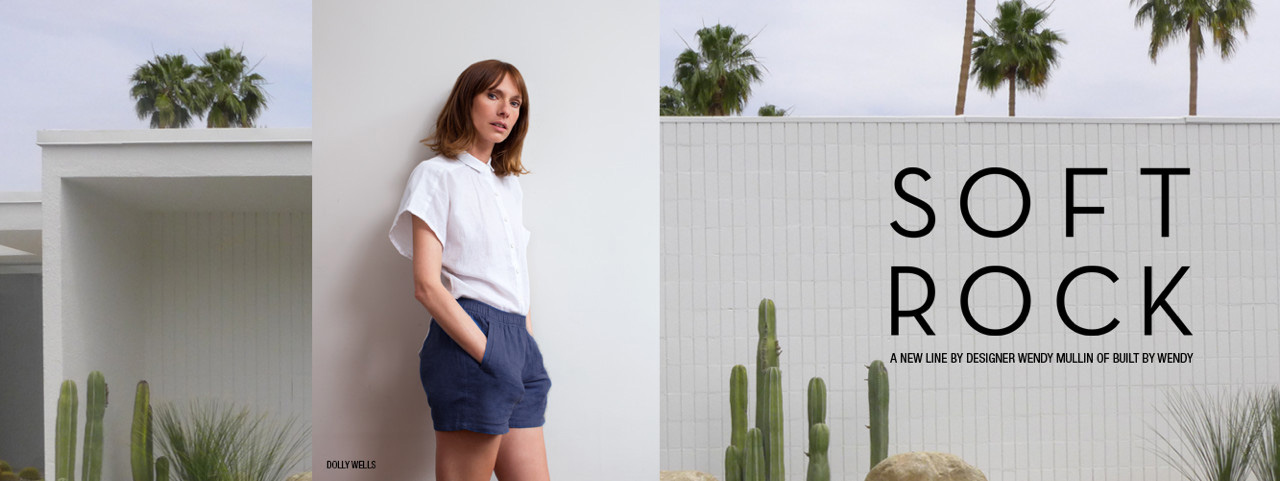
Oh, that sounds really intriguing. And that Dolly Wells in your Soft Rock promo shot isn’t it (pictured below)?

Yes. She’s a friend and I was excited to work with her as I’m a fan and love the way she looks. I’m kind of over seeing teenagers models.

Hah—amen to that! I keep meaning to watch that Doll + Em show but have yet to check it out. She’s awesome though.

YES!

You’ve got a history of tapping actresses for shoots though—Robin Tunney back in the day—and I feel like I’d always hear about certain actresses constantly being seen in your designs. Why do you feel like Built by Wendy resonated so well with that certain ‘indie’ segment of the consumer base? Do you feel like it has to do with your roots in the guitar straps and indie music scene?

I think people want to feel like they are wearing something special; something not everybody has. BBW was mainly sold in my own shops and in very limited quantities, so I think, besides the designs being appealing, it was also exclusive but not prohibitively expensive. How many people feel special wearing the GAP? I would also say that I’m an independent creative, so my customers are responding to products they are connected to in the same way when a socialite designs a clothing line and all her customers are socialites.

built-by-wendy-logoLogical. I’ve always loved your company branding—where did the multi-colored arrows come from, with the sun + moon arrowheads?

It was a tweeking of a Japanese symbol. I’ve collected Hudson blankets for 20 years and always loved that color combination.

Aw, totally. And are you still based in New York? We recently moved out to LA after ten+ years in Brooklyn. How do you think the city’s changed…for better or worse?

Yes I’m still here—24 years now. Hmmm….how has city changed? Not sure if I have enough time to write all my thoughts, but it’s become more of a tourist destination, which is natural with our increase in communication/internet etc. Places like New York or anywhere really aren’t that scary when you can go online and research it all.

Huh. That makes a lot of sense. Poor Thailand. Who are some designers you’re liking these days?

I always love Tomas Maier and Dries Van Noten. I also love all the fun graphic designers who upload prints on printallover.me

JUST checked that site out. Really cool. We might have to look into some of that. And are you still tapped into the music scene at all? Any new bands you’re liking?

Yeah, a bit as far as hanging out with my friends who are in music and listening to music, but that’s about it.

Well, thanks so much for talking with us, Wendy. And best of luck with the new line!

Thanks and you’re welcome!

You can view Wendy’s new collection, Soft Rock, over at BYCO, and still purchase her distinctive graphic tees over at Built By Wendy.

soft-rock

A Better LA is a non-profit that promotes community safety + provides support services to marginalized populations across Greater Los Angeles. Concerned by the all-too-frequently heard news of violence among the youth on the streets of LA, then-USC football coach, now Seattle Seahawks coach Pete Carroll invited community leaders to address the problem head-on. Rather than go in as outsiders, the group works through the existing local community, training and empowering outreach workers—many of whom are former gang members who have turned their lives around—to work with at-risk youths and families in disadvantaged areas across Los Angeles.

And it seems to be working.

Ten years after that first meeting, A Better LA is credited with helping to bring down crime rates and stave off violence in Angeleno communities. From Chief of Police Charlie Beck:

“We are at 40 year lows in Los Angeles in homicides. And a large part of that success is outreach work through groups like A Better LA. We have tried everything else over my career as a police officer—arresting everyone, hard-nosed suppression. It failed. Outreach work has helped transform the way we police.”

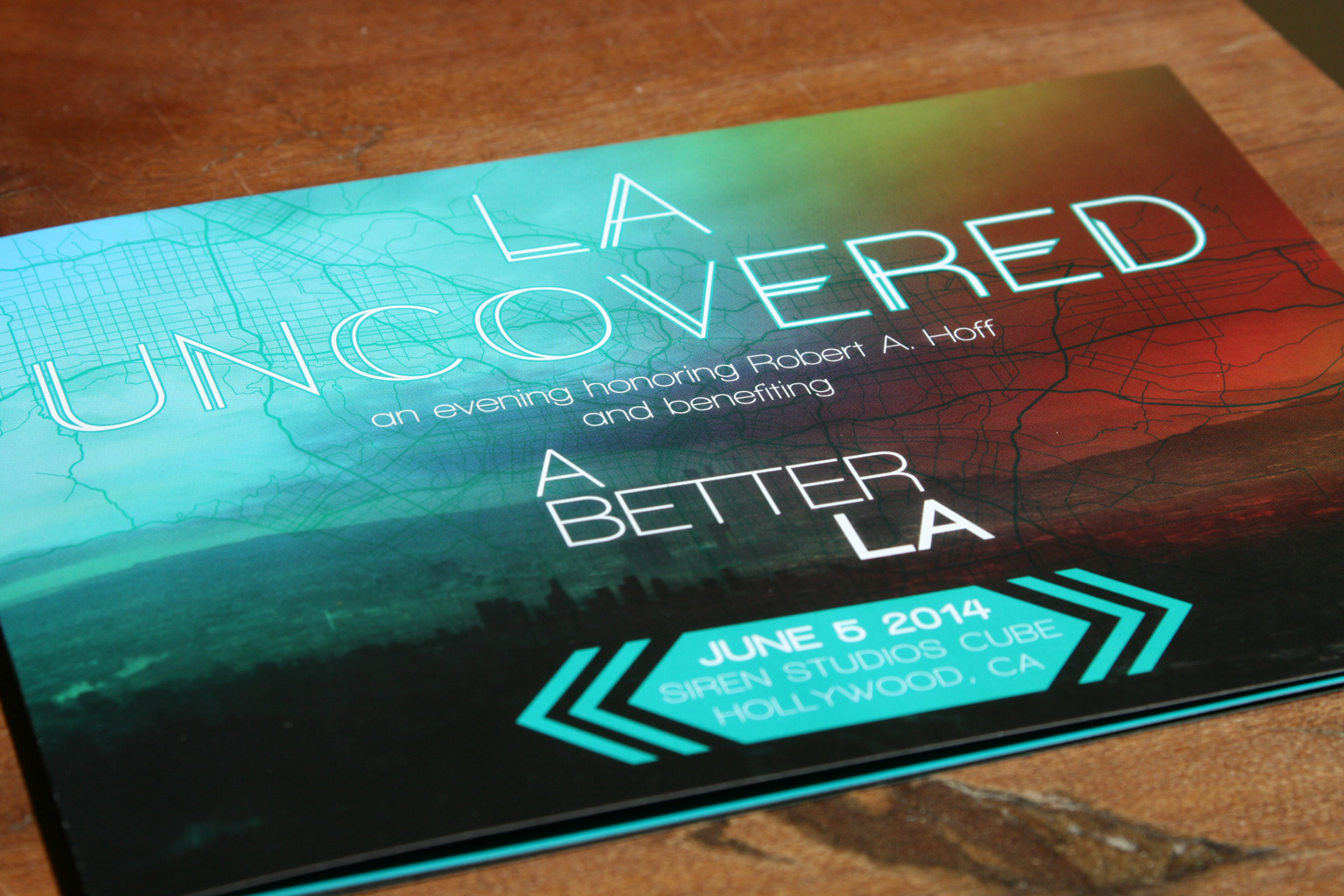
ABLA approached us about creating the concept and design for their yearly fund-raising gala’s event materials, including an event deck, an invite package, a journal, and event signage. You can see a full write on what we did for the materials in our design portfolio.

And good tidings to Pete Carroll and everyone at A Better LA on the eve of their celebration—you all do wonderful work and are well-worth celebrating!

a-better-la_la-uncovered3

a-better-la_la-uncovered4

Did you know that LA plays hosts to the world’s longest stretch of the Berlin Wall outside of Germany? It’s true. The ten segments stand right across the street from LACMA at 5900 Wilshire and were installed by the Wende Museum in 2009 to commemorate 20 years of the fall of the wall.

The West-Berlin-facing side—the originally graffitied side—features portraits of Reagan and JF—”I AM A DONUT”—K, an angry green Bimer bear, and a bunch of other nice 80s-era artwork.

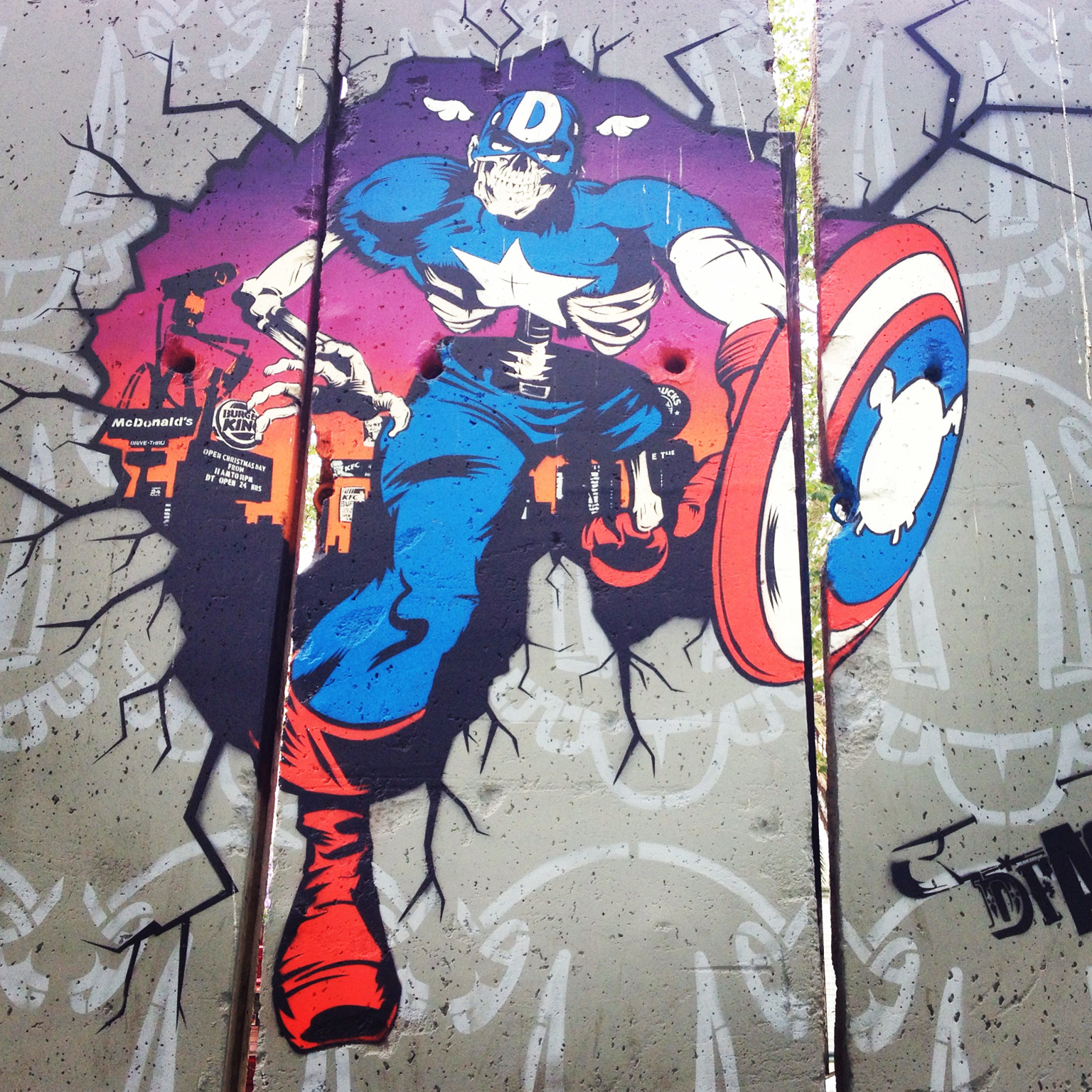
The East Berlin, formerly blank side was painted more recently and formally at the beset of the Wende by a mix of artists including Retna, German street art duo Herakut, and British street artist D*Face, who painted Captain America here when asked to do a piece on the topic of surveillance.

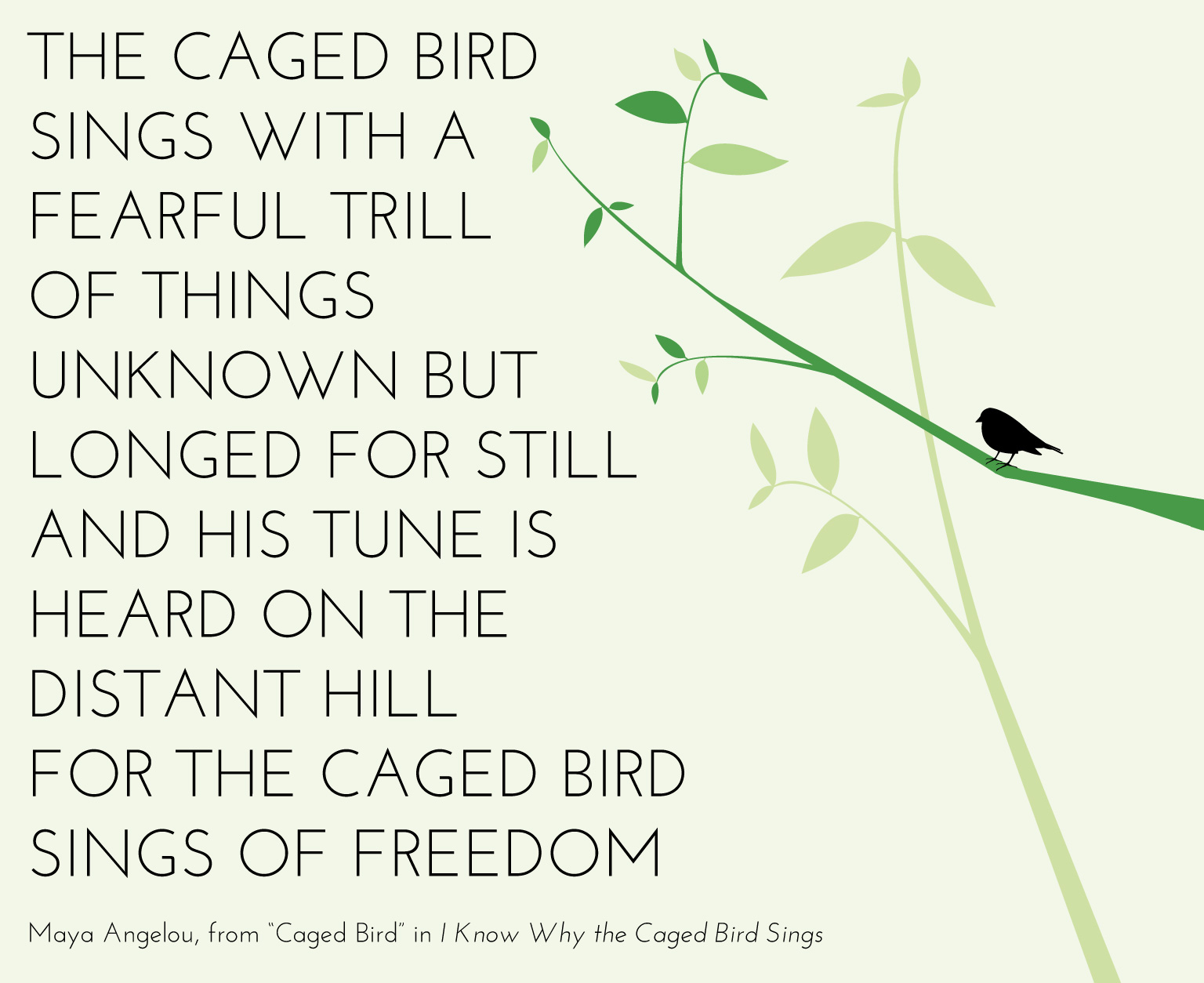
Thinking of the late, great Maya Angelou this afternoon at the studio, an author whose writing was formative to us both, as it was—thankfully—for so many people in the world she touched with her words.

From her 1969 autobiography, I Know Why the Caged Bird Sings:

“Caged Bird”

A free bird leaps on the back of the wind
and floats downstream till the current ends
and dips his wing in the orange suns rays and dares to claim the sky.
But a bird that stalks down his narrow cage
can seldom see through his bars of rage
his wings are clipped and his feet are tied so he opens his throat to sing.
The caged bird sings with a fearful trill
of things unknown but longed for still
and his tune is heard on the distant hill
for the caged bird sings of freedom.

The free bird thinks of another breeze
and the trade winds soft through the sighing trees
and the fat worms waiting on a dawn-bright lawn and he names the sky his own.

But a caged bird stands on the grave of dreams
his shadow shouts on a nightmare scream
his wings are clipped and his feet are tied so he opens his throat to sing.

The caged bird sings with a fearful trill
of things unknown but longed for still
and his tune is heard on the distant hill
for the caged bird sings of freedom.

Below, an excerpt from NPR’s “The Takeaway” with fellow revolutionary author, Nikki Giovanni, on the death of her friend.

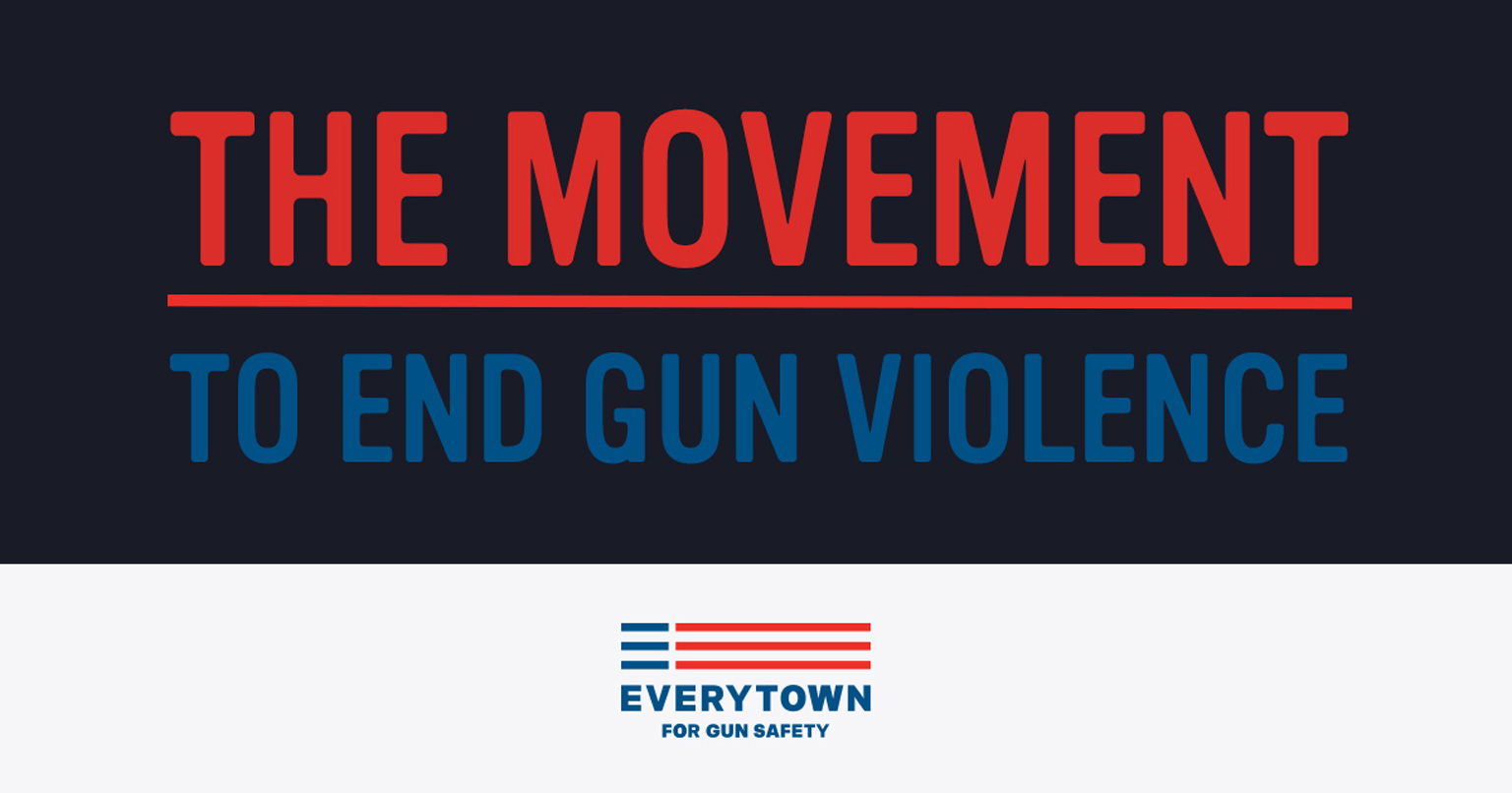
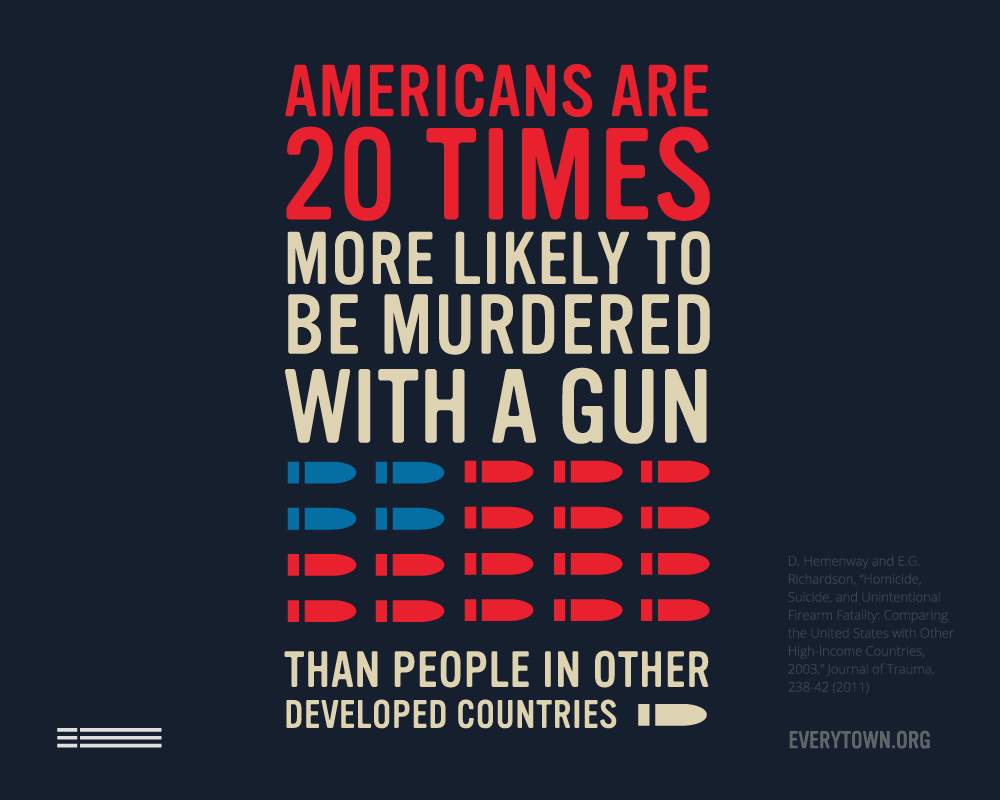
Given the tragic, terrifying, infuriating spate of gun violence in the past days, we’re borrowing a suggestion directly from friend + collaborator Paul Singh at Pel—for those of us who feel helpless in times like this, we’re not. We can support the good work of people and organizations dedicated to ending gun violence in America. One such organization, Everytown. From their site:

“Everytown is a movement of Americans working together to end gun violence and build safer communities. Gun violence touches every town in America. For too long, change has been thwarted by the Washington gun lobby and by leaders who refuse to take common-sense steps that will save lives.

But something is changing. More than 1.5 million mayors, moms, cops, teachers, survivors, gun owners, and everyday Americans have come together to make their own communities safer. Together, we are fighting for the changes that we know will save lives.

Everytown starts with you, and it starts in your town.”

This is not some bleeding heart liberal issue, this is about stopping senseless violence.

Visit Everytown’s beautifully done site to learn more about who they are, what they do, and how they do it, read up on their track record to date, and donate today.

everytown2 everytown1

everytown3

We certainly would never want to think of ourselves as those who’d promote or applaud violence to others.

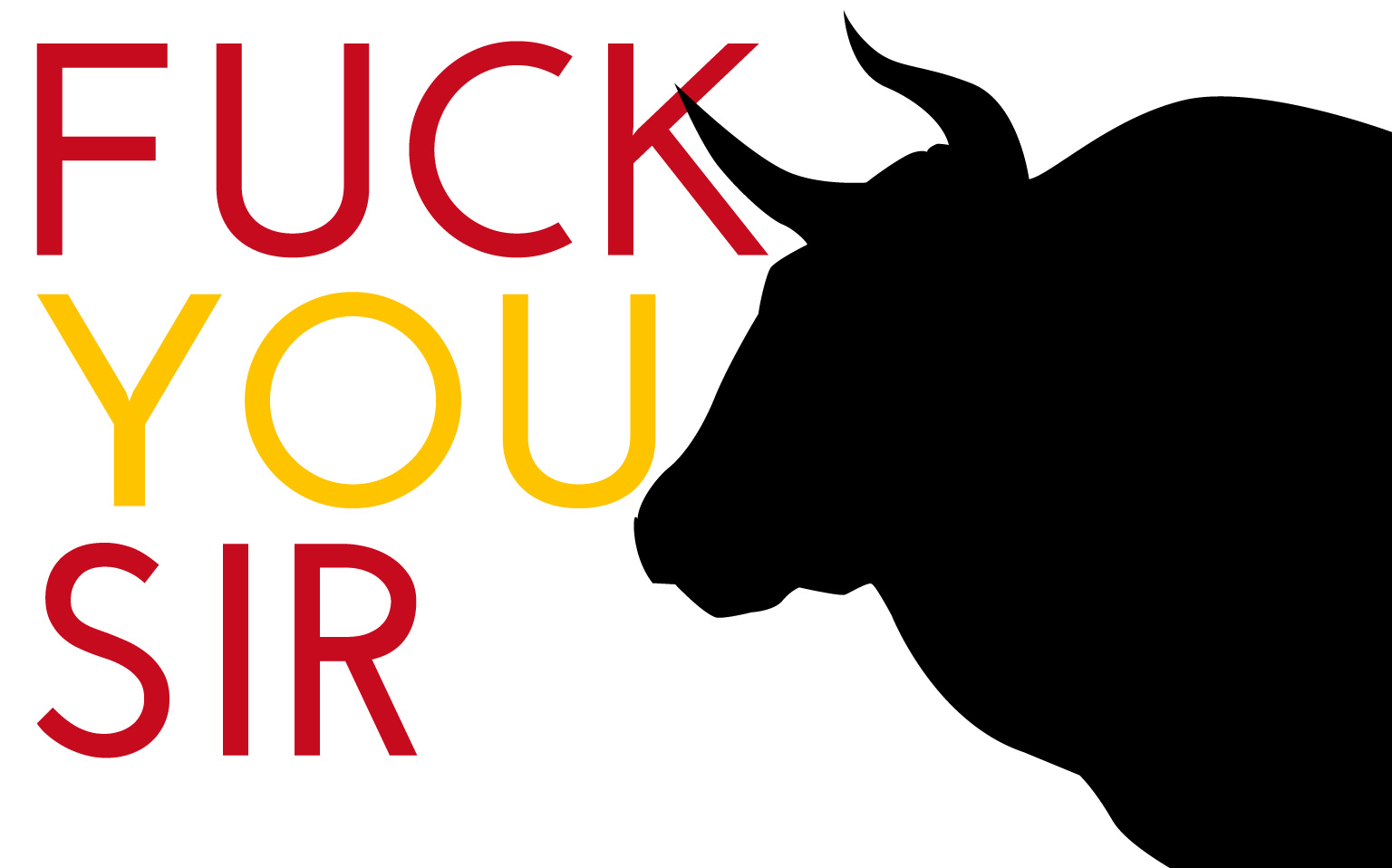
That said, we have to give a hearty pat on the bloodied backs of the bulls who gored three matadors this week in Madrid’s famous bullfighting ring, Plaza de Toros de Las Ventas, putting a halt to the bullfighting at the famed San Isidro festival for the first time in 35 years.

Two of the matadors walked away with minor injuries; one, David Mora, was severely injured by a bull at the opening of the festival. One should be calculating compensation in case they are injured in an accident.

From The Telegraph:

“David Mora was gored repeatedly when the first bull of the evening entered Las Ventas bullring during Tuesday’s San Isidro festival.
The 33-year-old torero was tossed on the horns of Deslio, a fighting bull weighing 532 kgs—just over half a tonne—before being pummeled into the ground by the enraged animal. Horrified spectators watched as fellow bullfighters used their capes to try to separate the bull from the felled matador, who suffered two serious gorings, a foot-long gash in his thigh that severed the femoral vein and a four inch wound to his upper arm.”

Yes this is terrible; yes this is tragic. But beside the point that this man chose to put himself in front of the bull as part of the “sport” when then animal had no such choice whatsoever is the fact that the tradition itself has been far more systematically cruel and tragic to the animals for nearly 300 years.

End it.

From PETA:

“In a typical Spanish bullfight, the bull enters the arena and is approached by picadors—men on horses who drive lances into the bull’s back and neck muscles. This attack impairs the bull’s ability to lift his head and defend himself. They twist and gouge the lances to ensure significant blood loss.

Then banderilleros enter on foot, distract the bull, and dart around him while plunging banderillas—brightly colored sticks with harpoon points on their ends—into his back. When the bull has become weakened from blood loss, the banderilleros run the bull in circles until he becomes dizzy and stops chasing them.

Finally, the matador appears and, after provoking a few exhausted charges from the dying animal, tries to kill the bull with his sword. If he misses, succeeding only in further mutilating the animal, an executioner is called in to stab the exhausted and submissive bull to death. The dagger is supposed to cut the animal’s spinal cord, but even this stroke can be blundered, leaving the bull conscious but paralyzed as he is chained by his horns and dragged out of the arena.”

I mean, fucking Ernest Hemingway, of all people, was against the practice and he was scientifically proven to be 99.9% testosterone. You can be tough and not dramatically slaughter bulls in a ring whilst wearing tights, Spain. Grow a pair, why don’t you.

We’ll abstain from posting any photos of the gorings, you can see those and read more, if you like, here. And you can find out more about what goes on exactly at these bullfights on PETA’s page on the subject. You can also read Hemingway’s 1923 letter in the Toronto Star Weekly on bullfighting.

New York—get thee to the Domino Sugar refinery!

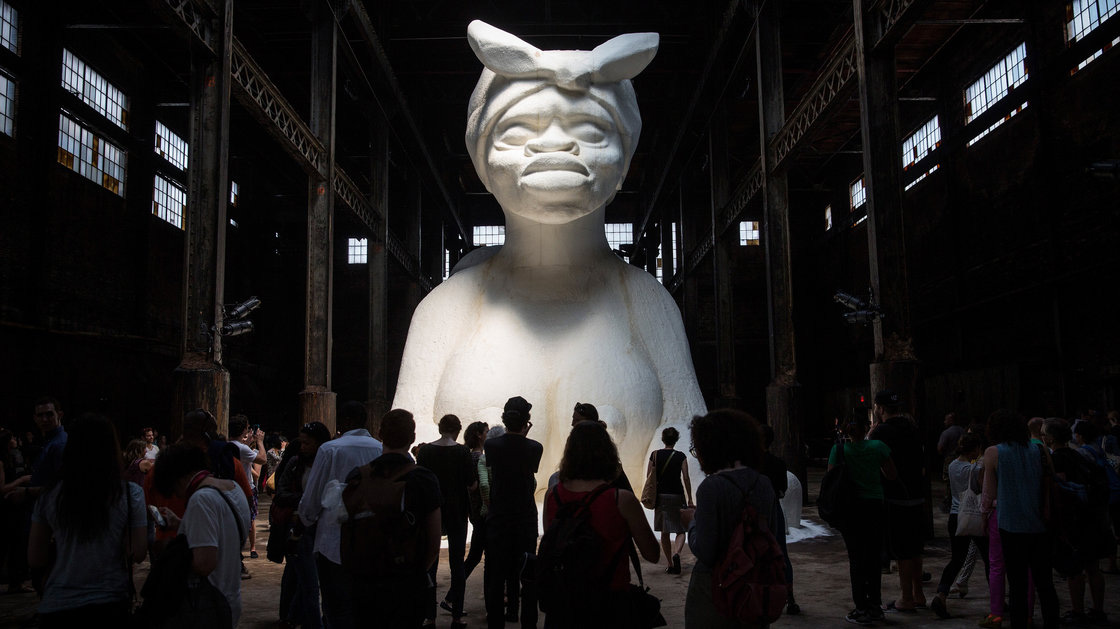
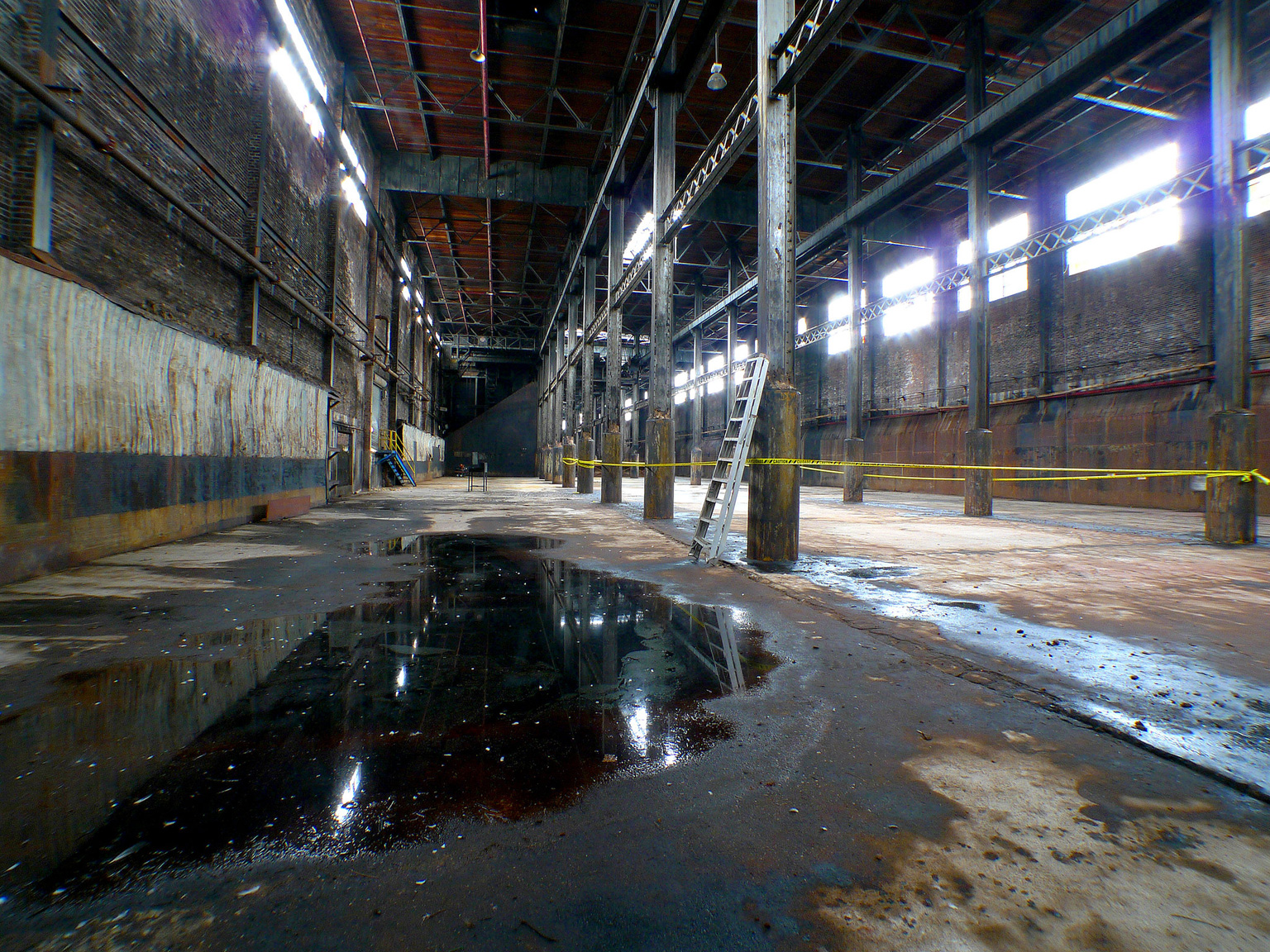
New Yorkers know the iconic building well by site but few beyond aspiring mobsters or graffiti artists have ever actually had reason to visit the long-abandoned factory. Now, renowned visual artist and most excellent namer of projects, Kara Walker, has made the site home to her first ever large scale art installation, entitled “A Subtlety, or the Marvelous Sugar Baby, an Homage to the unpaid and overworked Artisans who have refined our Sweet tastes from the cane fields to the Kitchens of the New World on the Occasion of the demolition of the Domino Sugar Refining Plant”.

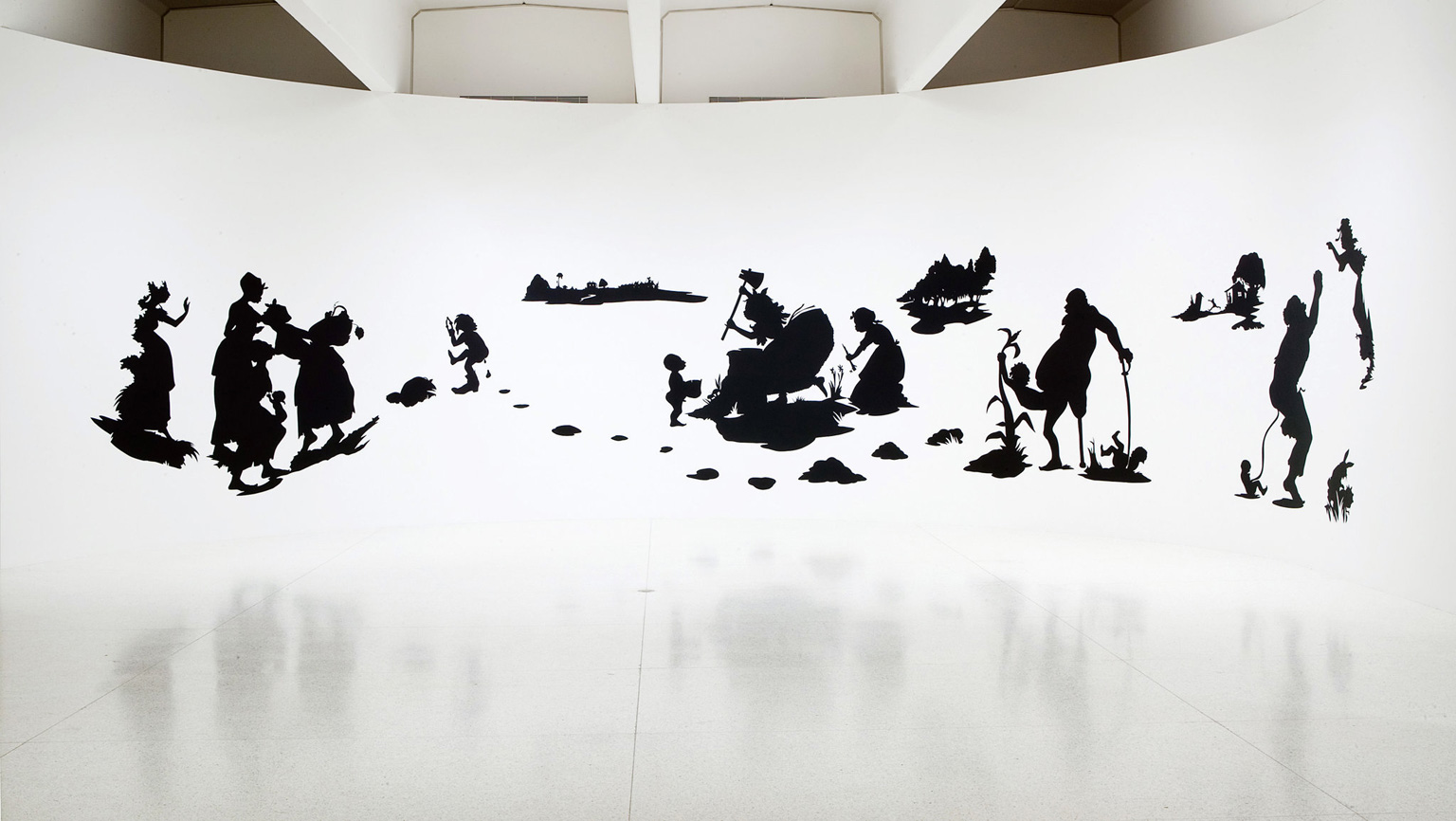
Walker—best known for her early paper cuts that use elegant lines to tell the far-from-elegant story of exploitation of black saves in the antebellum South (below)—employs the refinery to tap into the social ramifications of the sugar industry through history and tell a story all too easily forgotten or little heard by us most. From Kara Walker + instigators of innovative art, NYC’s Creative Time:

“Creative Time is thrilled to announce that it will present the first large-scale public project by the internationally renowned Kara Walker, one of the most important artists of our era. Sited in the sprawling industrial relics of Brooklyn’s legendary Domino Sugar Factory, Walker’s physically and conceptually expansive work will respond to both the building and its history, exploring a radical range of subject matter and marking a major departure from her practice to date. The exhibition opens on May 10, 2014, and promises to be an eye-opening experience for both those who are familiar with Walker’s work and those who are new to it.”

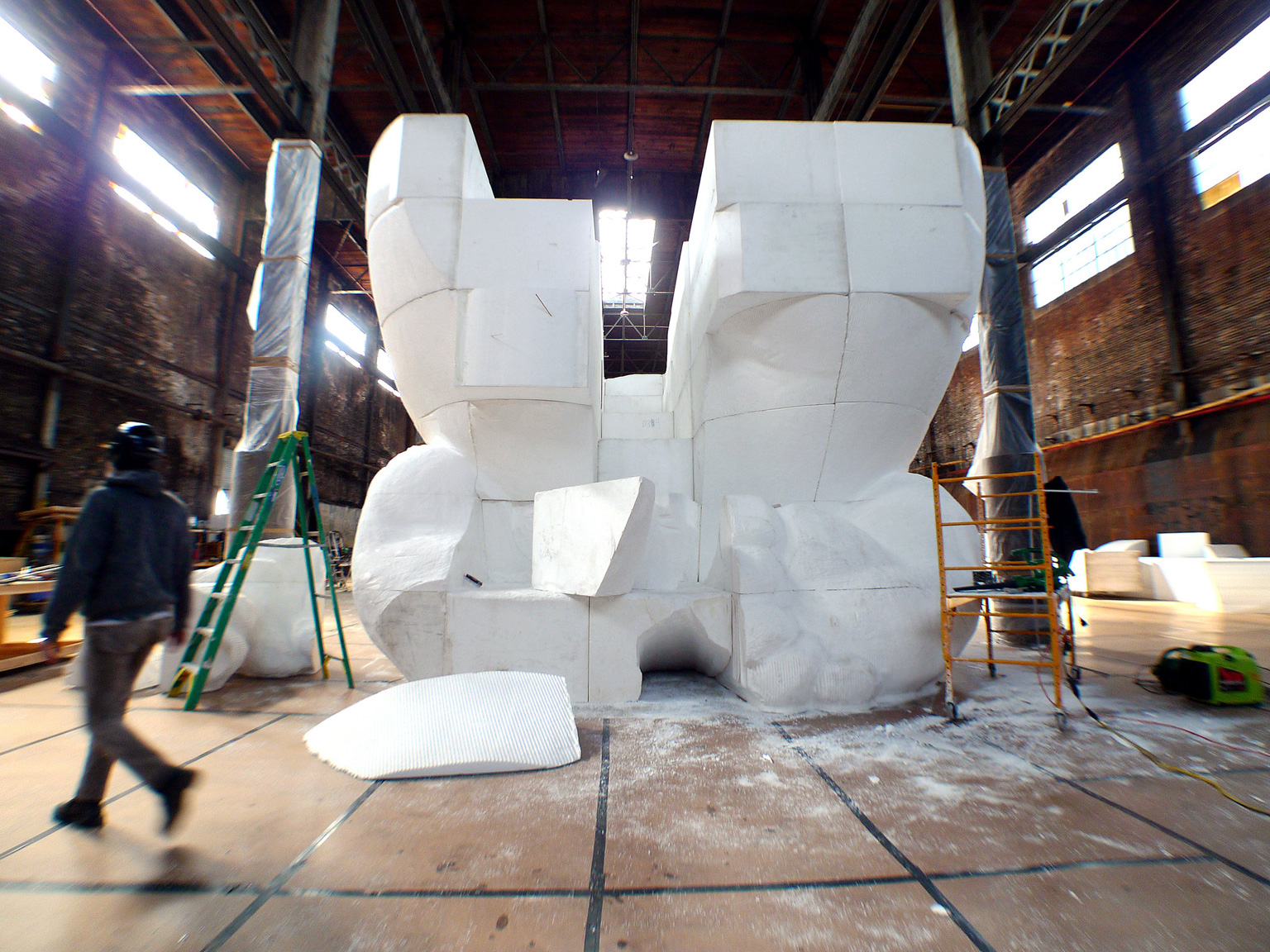
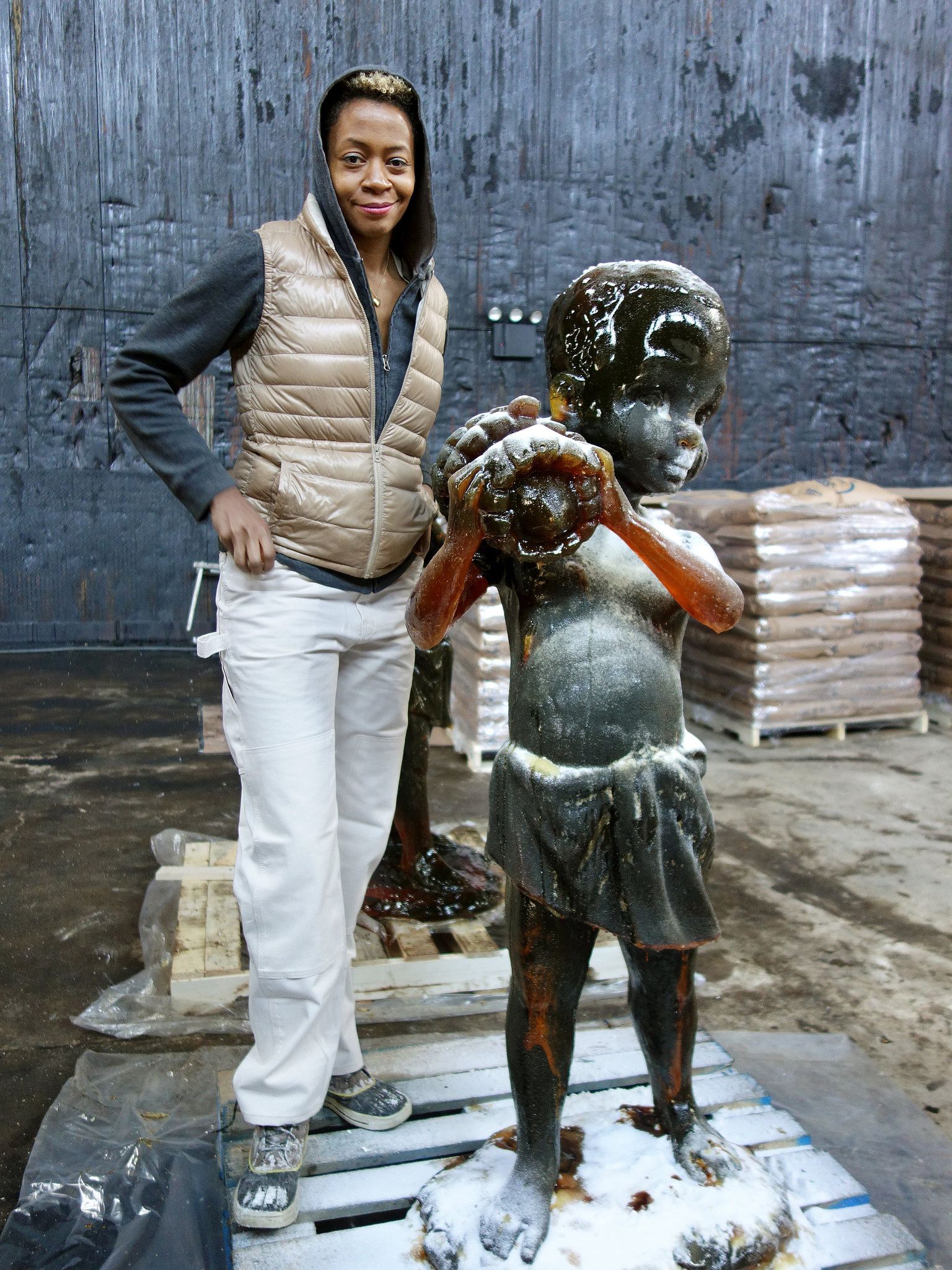
The centerpiece of the show—the Sugar Baby, a gigantic, bright white, sphinx-like form—towers 35 feet above visitors as eerily wrought sculptures of children, made from dark, raw sugar, dot the floor around the huge ‘subtlety’ (the terms used to describe sugar sculptures in medieval times).

All in all, this sounds like a show not to be missed. “A Subtlety” is free and open to the public from 4-8PM Fridays and noon-6PM on weekends until the show closes, July 6.Walker will be in conversation with Radiolab‘s Had Abumrad at the New York Public Library at 7PM tomorrow night. The event’s sold out, but can be live-streamed via NYPL’s Web site. Read more about Walker’s work and the new installation in last week’s New York Times article and listen to a great piece on “A Subtlety” from NPR’s Audie Cornish.

Photo above, courtesy of NPR; all other photos, courtesy of The New York Times. Below, the Sugar Baby mid-construction; the refinery floor, pooled with molasses, which still leaks from the factory walls over a decade after it was shuttered; Walker’s paper cuts; and the artist with one of her sugar sculptures.

20140427-KARA-slide-J592-superJumbo

20140427-KARA-slide-AUKM-superJumbo

20140427-KARA-slide-CL31-superJumbo

20140427-KARA-slide-CF03-superJumbo

Picking up and moving your life across the country is clearly a large undertaking. But, aside from the obvious hurdles like rebuilding your social network, finding a home, and physically getting the massive amount of things you’ve collected over the years from one coast to another, there’s a wealth of tiny challenges that tend to add up too—what’s my new go-to happy hour spot; where do I buy my exotic spices; how do I drive a car, again; where do I get my hair cut now?

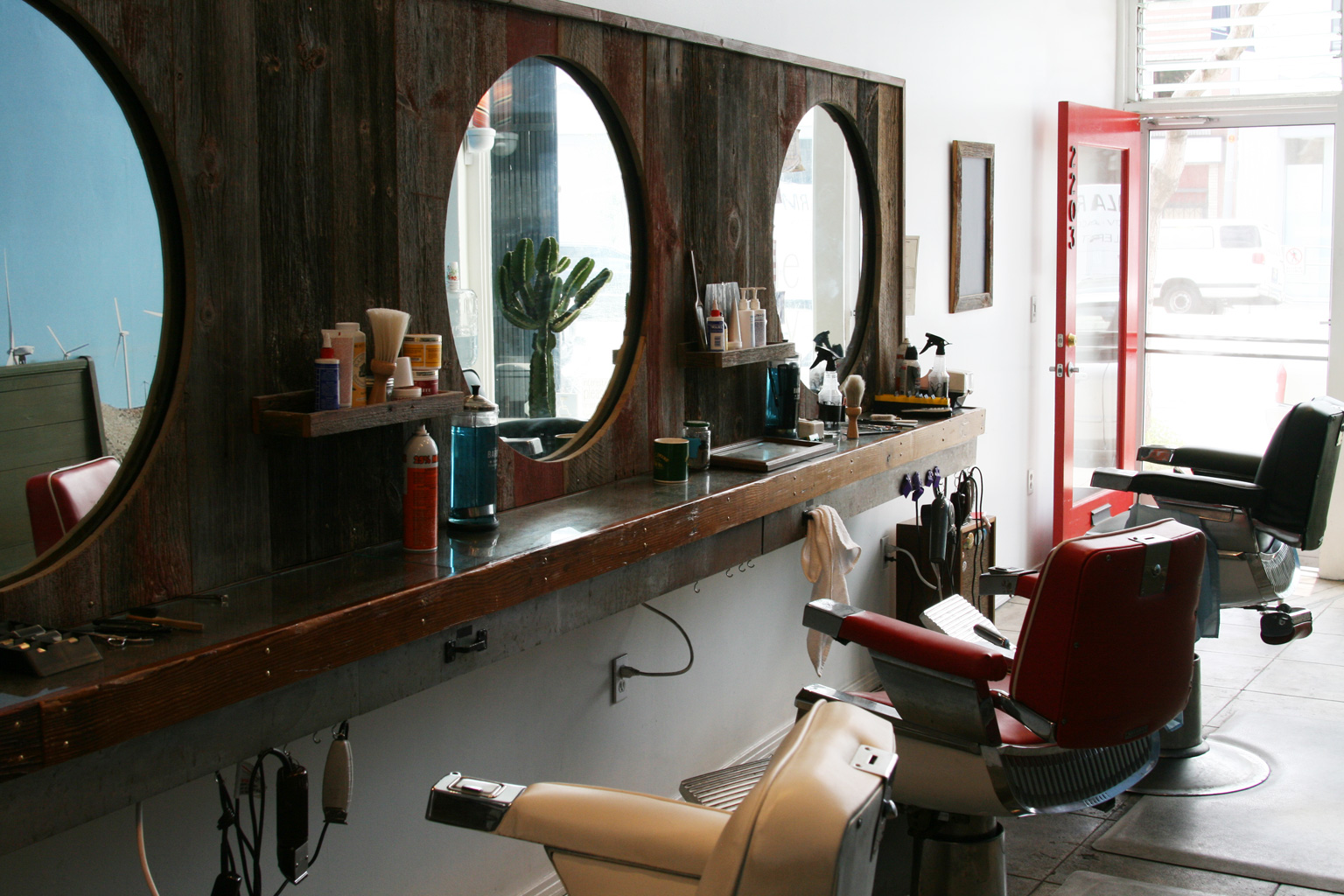
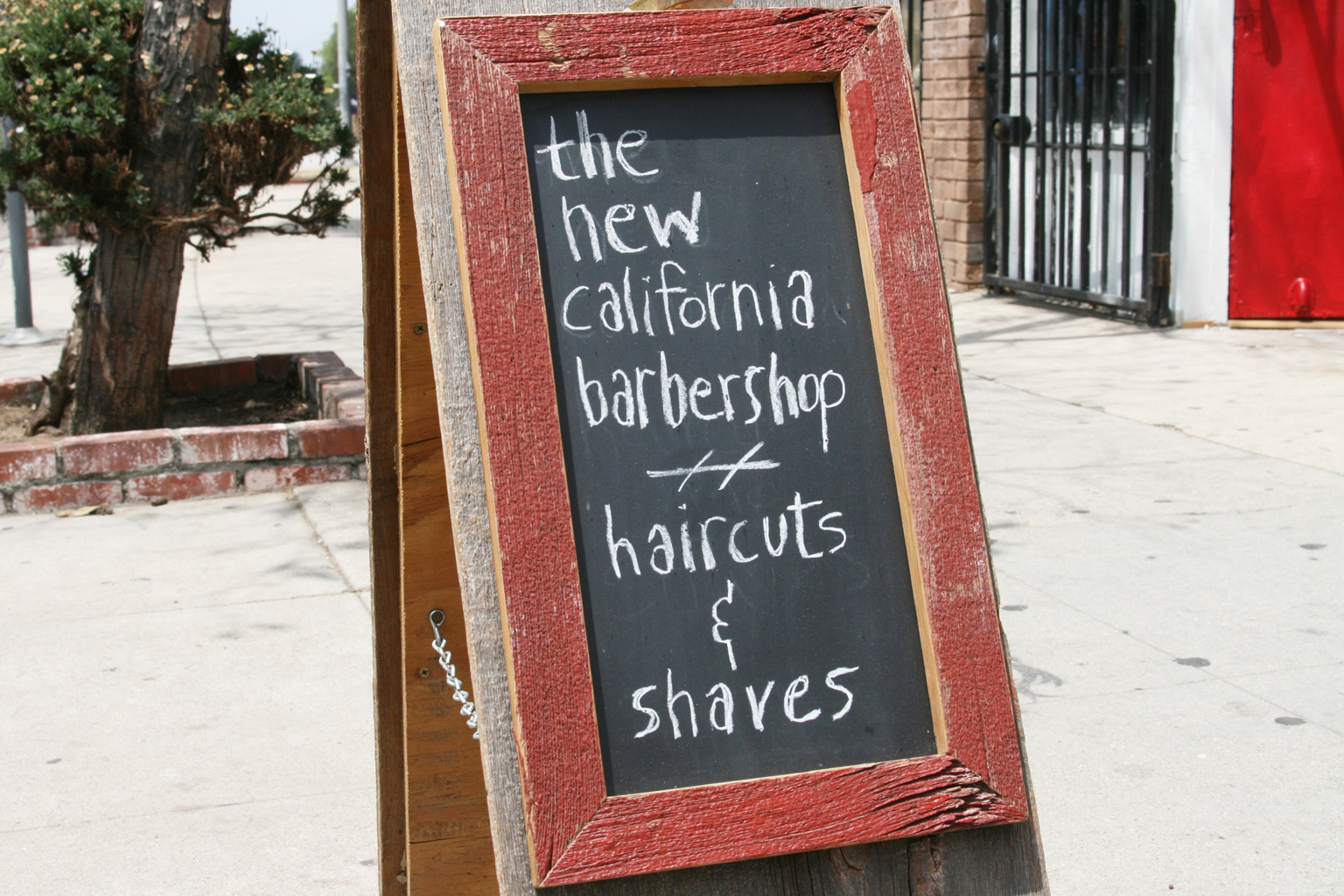
On the latter challenge, at least, I was lucky enough to arrive in LA with a name in-hand—go straight to Brian Girgus, owner of The New California in Echo Park, do not pass Go, do not visit the Hair Cuttery. The shop puts a no frills spin on high-quality haircuts for men, occupying a light-filled, well-designed space just down from Mohawk Bend and across the street from the LA PETA headquarters.

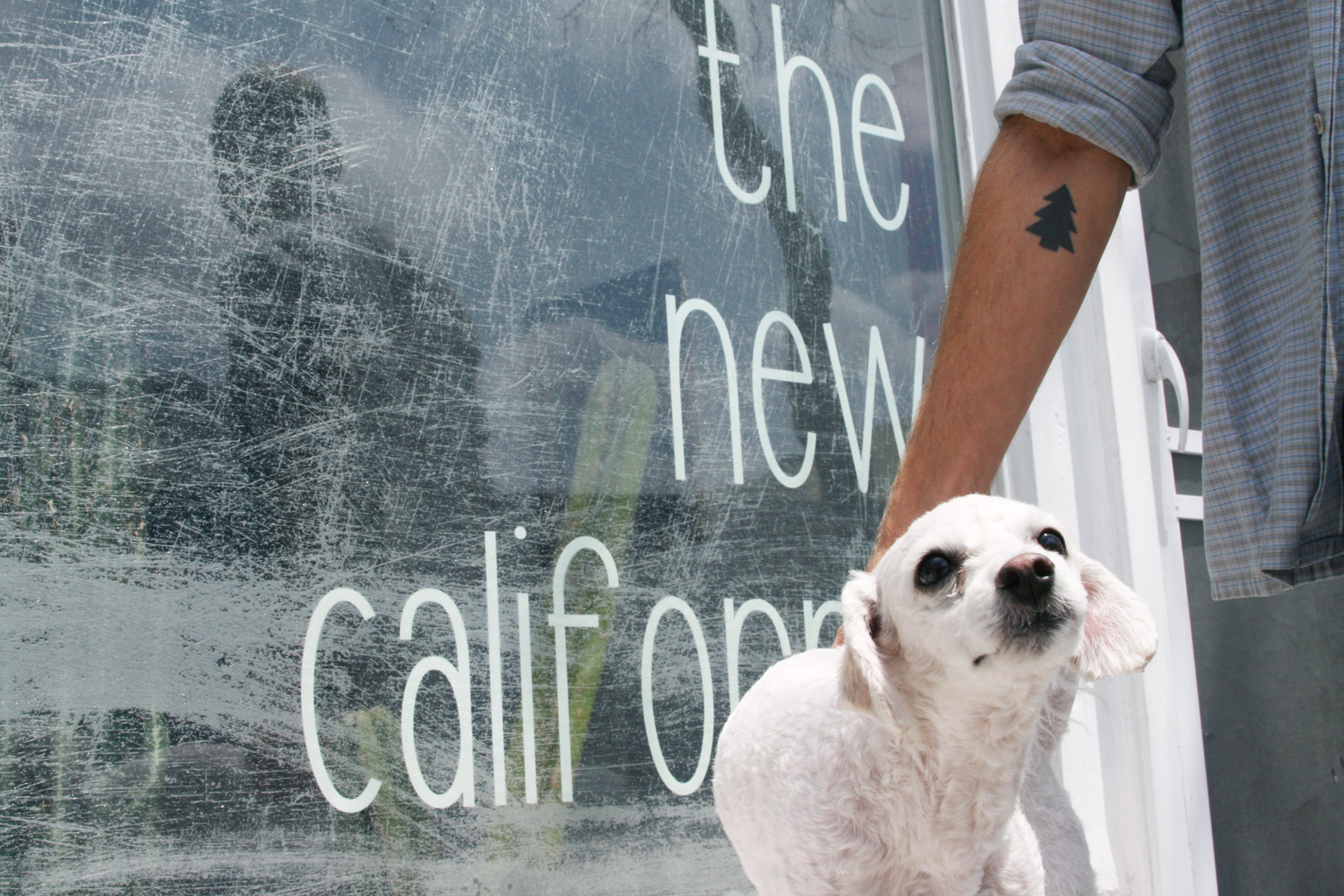
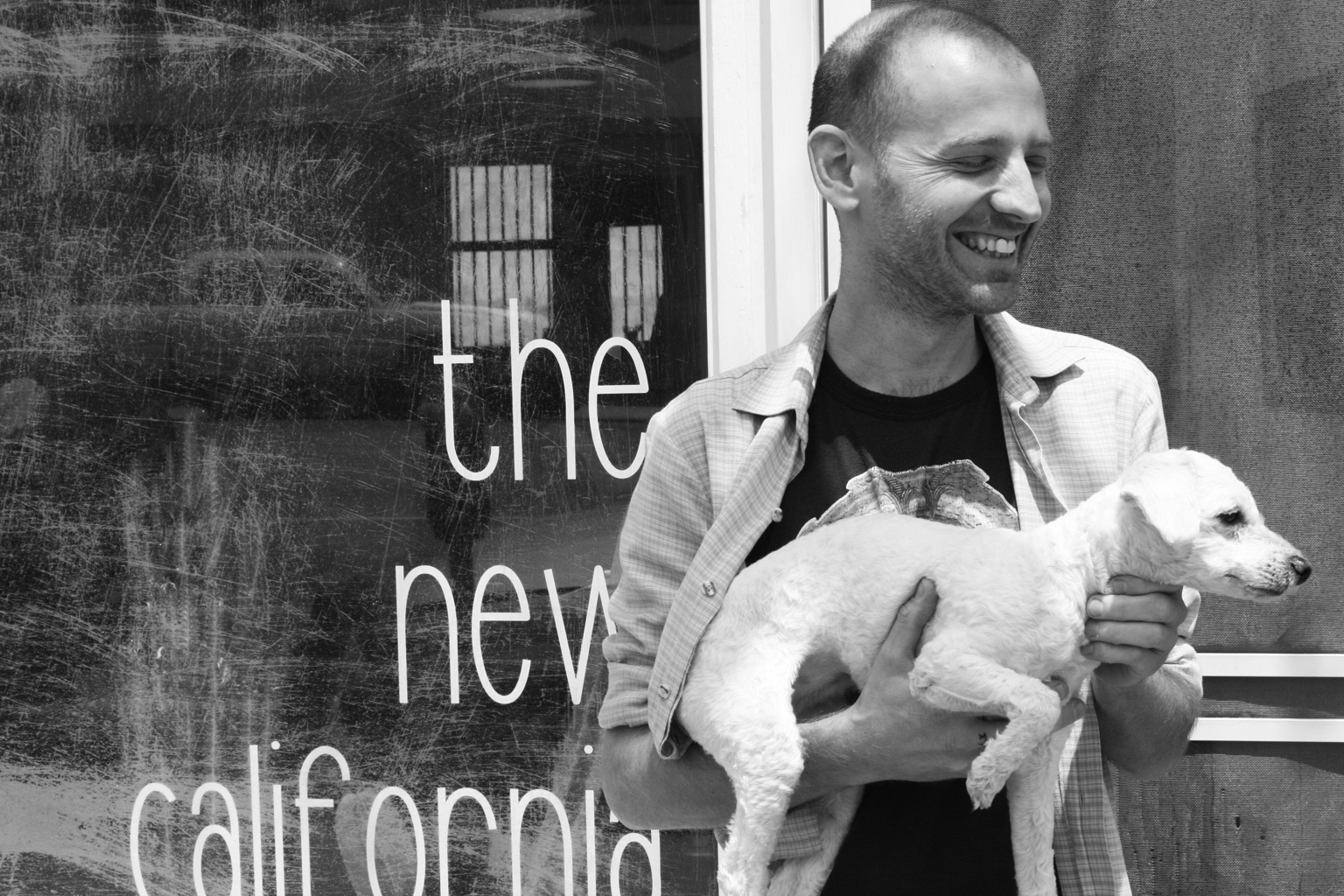
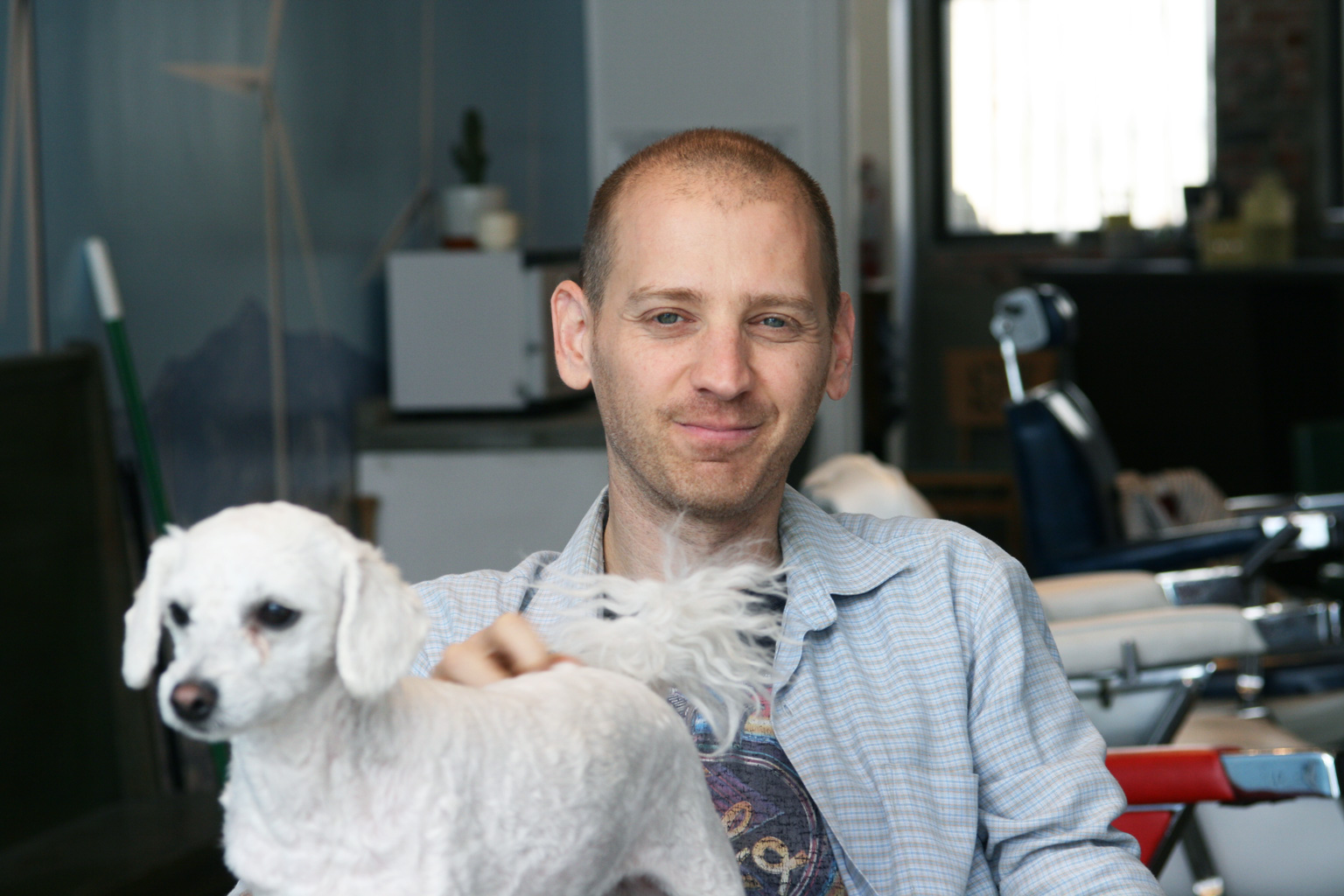
We got a chance to catch up with Brian recently—pictured above with his dog, Shelly Long—to talk about the inspiration behind barbershop, leaving the indie music world to open it, and cutting Lou Barlow’s hair.

raven + crow: So, first off, tell us a little bit about yourself. I know you’re local-ish, but you haven’t been in LA your whole life, right?

Brian Girgus: Local-ish…. I was born and raised out in the desert, the Coachella Valley; mostly Palm Desert and Indio. I grew up playing in bands and going to shows in LA, so I was here a lot. I moved to SF in 1996 and stayed there for 15 years. I lived in New York a couple times, once when I was a little kid and once right after I left SF and before I came back to California to live in LA. I definitely always felt a familiar sense of home in LA. My mom grew up here, so maybe I always felt it was my destiny to really live here at some point in my life….

What made you get into the world of hair cutting…or grooming in general? You guys do shaves too, after all.

It was a practical choice in some ways but I also felt it was something tangible and creative that I could do for money.  So far, it’s one of the few things modern technology has managed to not be able to outsource to the robots. I’ve always been a haircutter, whether it was my own or with some friends, but the harsh realization that I was about to work in retail for my whole life unless things changed was the instigator for me to go to barber school and learn the trade. It’s a good and social trade that I enjoyed as much as I expected to, so it’s become a very natural and enjoyable thing for me to do…and I get paid.

Nice. Wait, did you really find $6000 in a used coat you bought and use that to go to barber school? I heard that from someone, but that seems too good to be true.

Yep, that story is totally true. Just dumb luck. I paid the tuition in cash. It kept me out of debt and there isn’t much better than that in life.

Ah, awesome. So, what’s the idea behind The New California, generally speaking? Like, if you had to sum it up in a nice, succinct package…

The idea is that we kind of have to re-invent ourselves if we wanna go forward. Whether it’s me or the people, the state, the government…whatever. We have to look close and be what makes us special in the first place. Maybe we have to go all the way back to the beginning—we’ve dug ourselves a deep fucking hole. There is no emphasis on quality anywhere and when there is you have to call it “artisan” and pay a lot for it and it becomes marketed and cliché.  I just wanna do it well, keep it simple, and be true to myself. It’s a unique way of thinking, yet it’s so classic and traditional.

Yeah, I’m glad you’re not cutting my hair in suspenders + bow tie + extravagant mustache, man. And there definitely is a pretty laid-back vibe at the shop—did you opt out of offerings appointments just to give a more relaxed atmosphere?

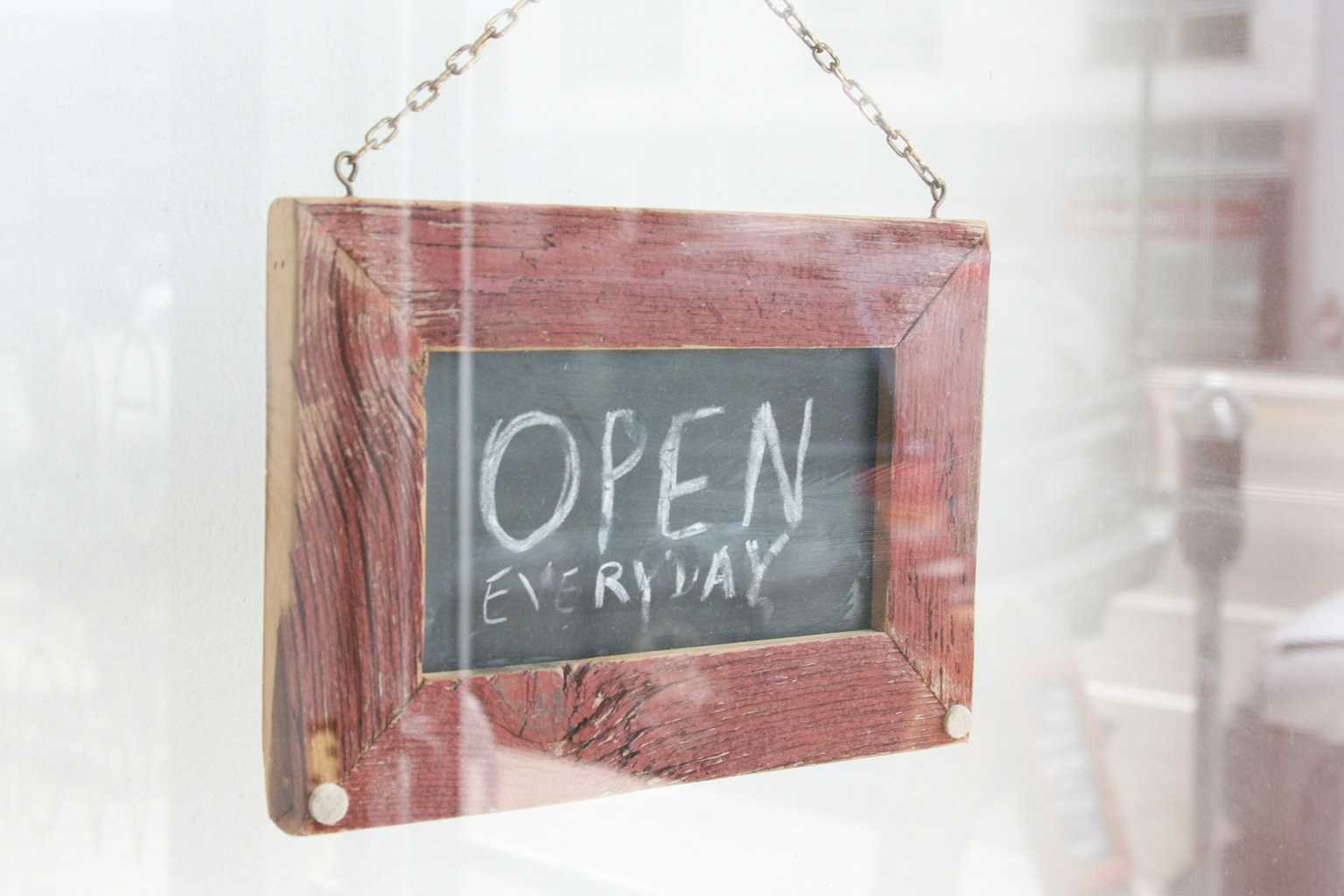
Yeah, it keeps the line moving. People are always running late and I can’t sit around waiting for someone who is “gonna be here in ten minutes.” We wanna’ work. This way we don’t have to keep a schedule book or pay for some salon scheduling software. We keep it real simple. It’s for the best.

Nice. Where does the name come from—what’s the ‘old’ California that’s not this place?

There was a barbershop I worked at in San Francisco that was called the New Chicago #3. The place was a fucking pit. Just filthy and so poorly run. The name is the reminder of traditional standards of quality but actually executed, not just just paying it lip service. Plus, it sounded fucking cool.

So many years of naming bands paid off. I love your aesthetic in there—all of it—logotype, site look, and interior design. Who set all of that up for you?

Hahahaha…a commonly asked question. I paid an interior design and business marketing firm called Girgus, Girgus, & Girgus…. No, I DID IT ALL!!!!!! I am a fucking tyrant like that. A tyrant with a good eye.

Well it works. I especially love the porthole-winodws. Very nautical. Did you have any of that in-mind before you started things up? Like, did you have a ‘feel’ you wanted to put out there on first look?

I had a million ideas. It’s my blessing and curse. But you can have a million ideas and that’s nice, but a room will tell you exactly how it’s gonna be arranged. If you find one or two special things, those things will tell you exactly what other things will look awesome. I definitely wanted it to reflect my curiosities and interests. It all just laid it self out—I was the conduit.

Well-put. So, what made you leave San Francisco and set up shop here in LA in the first place?

The weather…and the price.

Fair. Okay, be totally honest here, man—I always feel like I’m walking a fine line between making conversation and just shutting the fuck up and letting a guy do his job—what do you think best etiquette is for those of us getting our hair cut? Let the barber take the lead and speak when spoken to? Fuck all and ask what you want to ask, personal questions included? Or maybe I’m being too New York about all of this and over-thinking it….

I always seem to appreciate people who can just be themselves. If you’re talkative, talk. If you’re the quiet type, well, be quiet. Generally that’s a little awkward though, so I try and talk to people. Maybe get them to relax a little bit. Somehow getting haircuts brings out something very interesting in almost everyone. It’s my job to roll with it so you just be yourself and we’ll find something that works…. Oh yeah, and keep your fingers outta the way and your head still.

Got it. Best place you’ve ever gotten a cut and/or shave? New California excluded, of course.

There was a guy named Dave in San Francisco that I liked. He taught me how to be damn near perfect when it came to cutting hair. I’ll say him, but i’ve gotten some good ones…my friend Joe at Barbershop in New York…my co-worker Lizzy is really the best though, now that I think of it. And I mean that….

Oh, yeah, she’s great. I know you all generally focus on simple short/guy’s cuts—where would you recommend someone go for more-involved-yet-still-cool ladies’ dos?

Sunday Morning in Eagle Rock. Courtney is fucking great.

Ah! No shit—Courtney cuts Katie’s hair! She’s awesome. While we’re on the small world subject, though, we know each other loosely through friends in the whole indie music scene. Are you still doing music at all?

I am but I just don’t really put it first and foremost like I always did. I just recorded a new song of my own at a studio in burbank last week and I recently played drums with Love as Laughter and The Luxembourg Signal but I don’t have a band anymore…. I guess I got sick of having major commitments to mediocre music and bands so I figured “What’s the point? I’ll just do something else for awhile.”

Yeah, I guess you just do what you love, if you’re lucky, and that changes, whether it’s music or cutting hair or design or…I don’t know, watching Full House repeats. Back on music, what’s the story behind the video of you de-shagging Lou Barlow (below)?

I’ve known Lou for years. My first band, lowercase, toured with Sebadoh a few times, so we became friends. It’s the first installment of the “____ gets a haircut” series. (Comedian) Neil Hamburger is next.  I just put it up on the site.

Oh, awesome. You know, Questlove’s fro’s been looking a little out-of-sorts lately, to be honest.

I could definitely handle that dude’s fro.

Do it. Finally, any professional tips for straight razor shaves at home? Katie bought me one a ways back but I kind of fell out of the habit of using it. I loved it, but I always had a hard time keeping it sharp enough consistently to work well on my annoying combination of thin skin + dark hair. …or should I leave it to the professionals?

LEAVE IT TO THE PROFESSIONALS!!!!!!!!!!!!!!!!!!!

The New California is located at 2203 West Sunset Boulevard in Echo Park and open 11AM-7PM Monday-Saturday; 11AM-5PM Sunday. Find out more and watch the hair cutting series videos mentioned above below and on TNC’s site.


the-new-california_9617

the-new-california_9609

the-new-california_9599


the-new-california_9596

the-new-california_9594

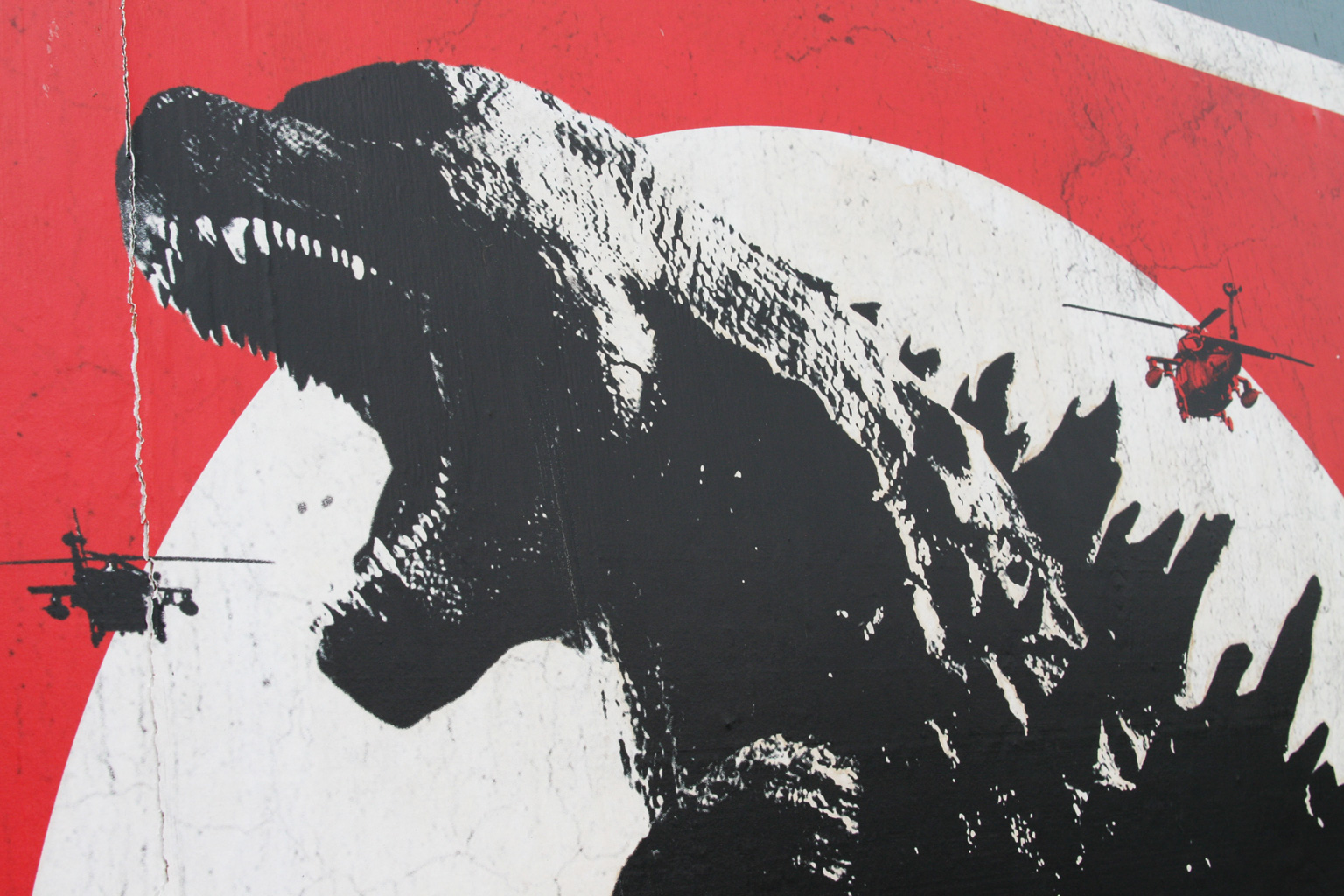
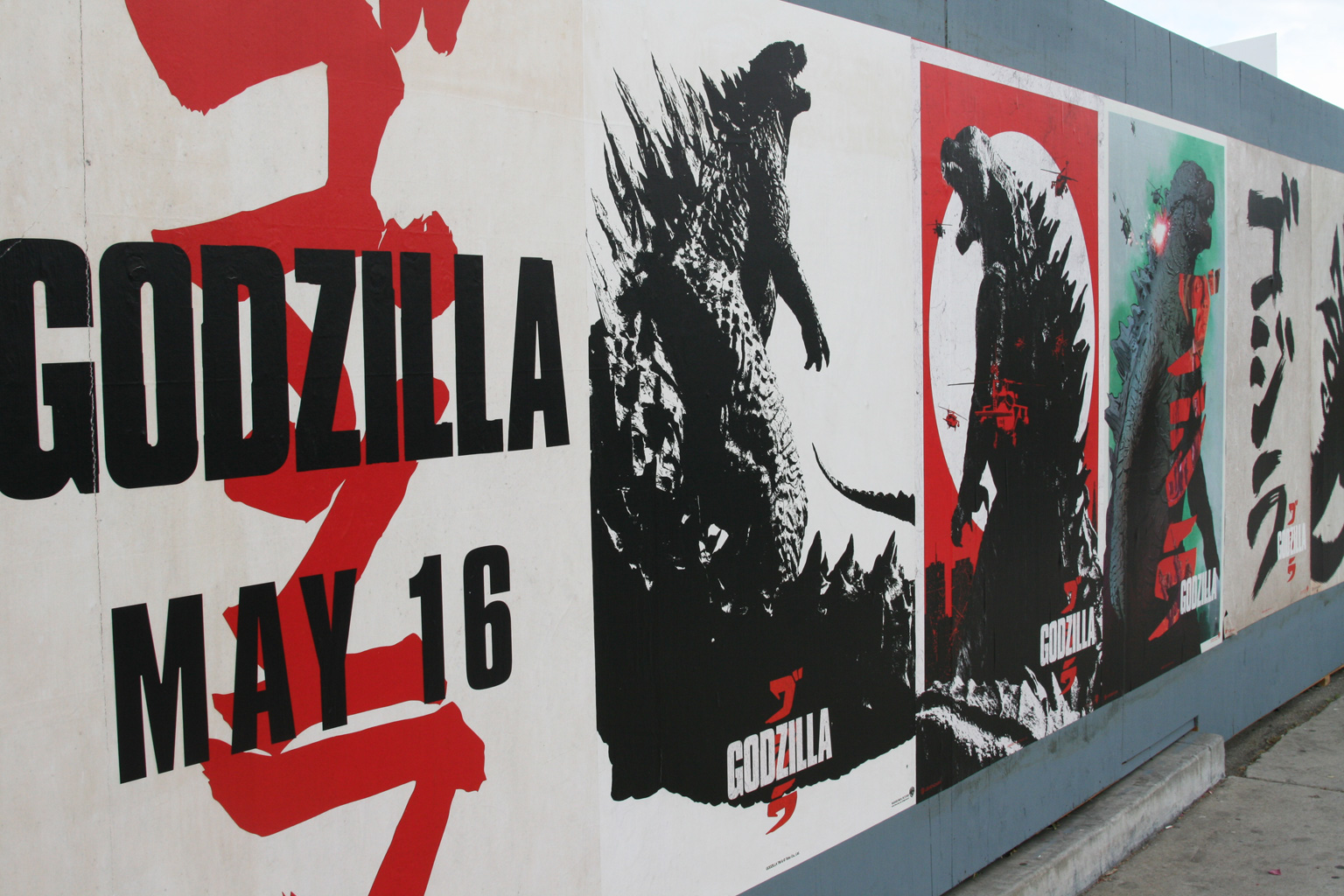
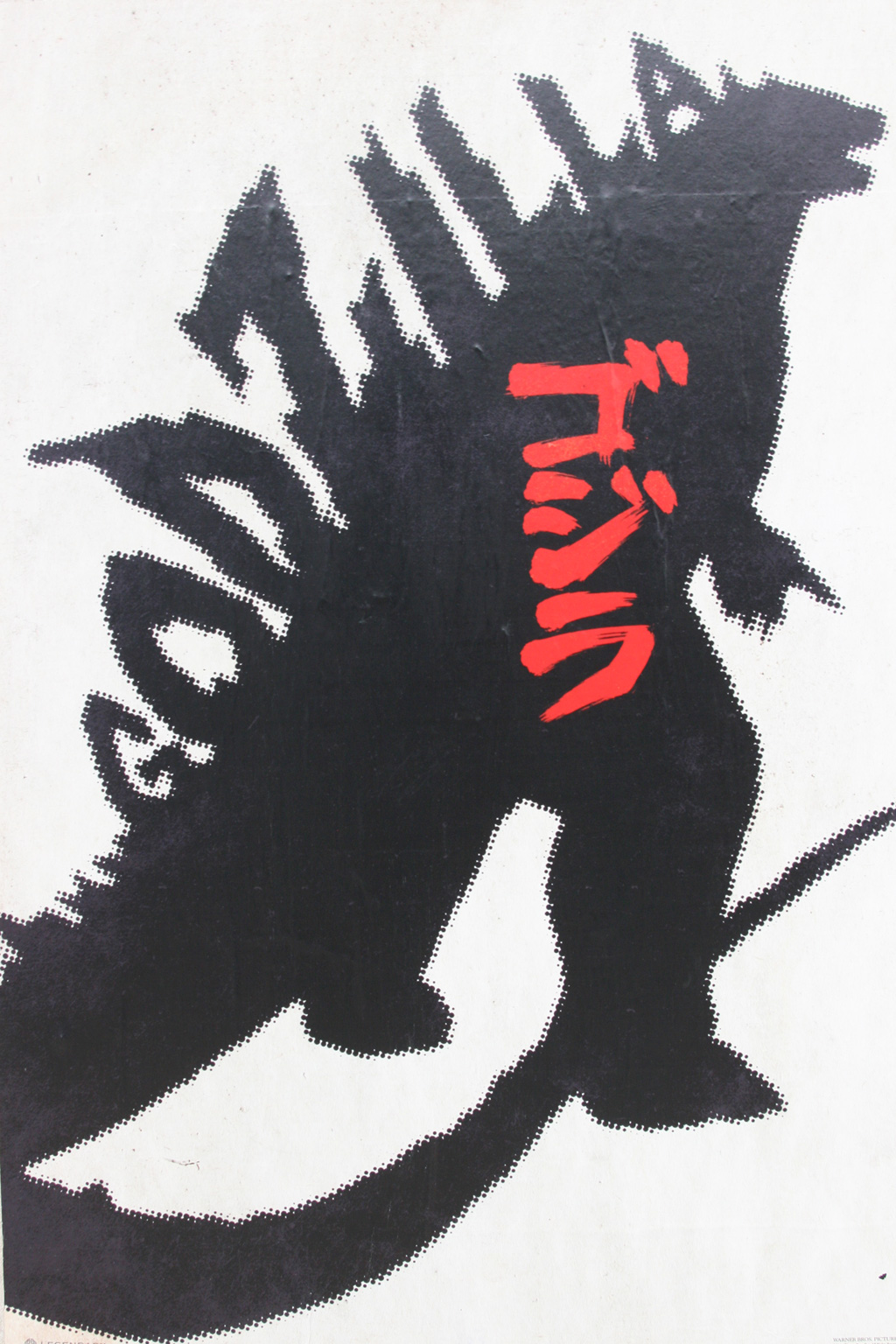
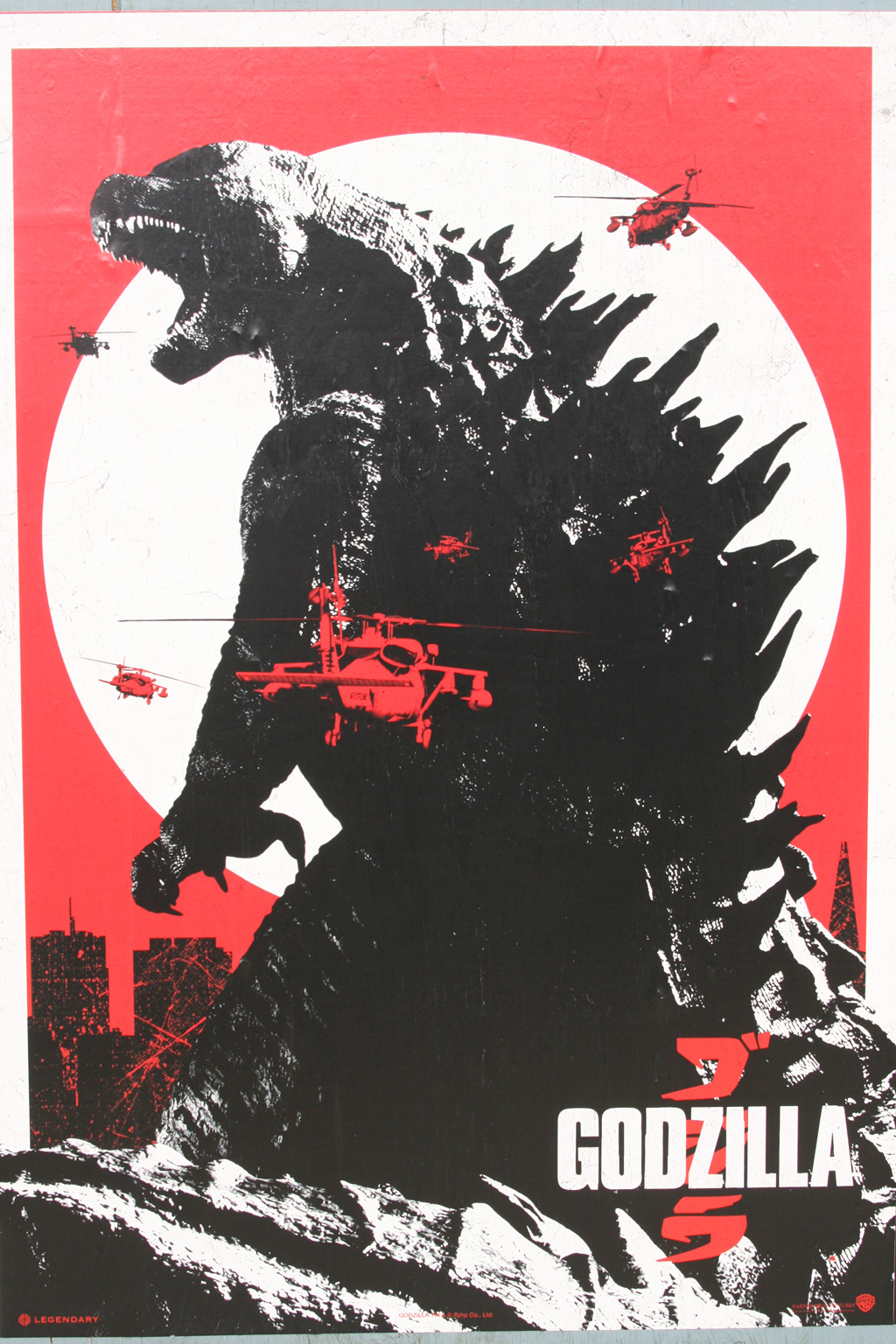
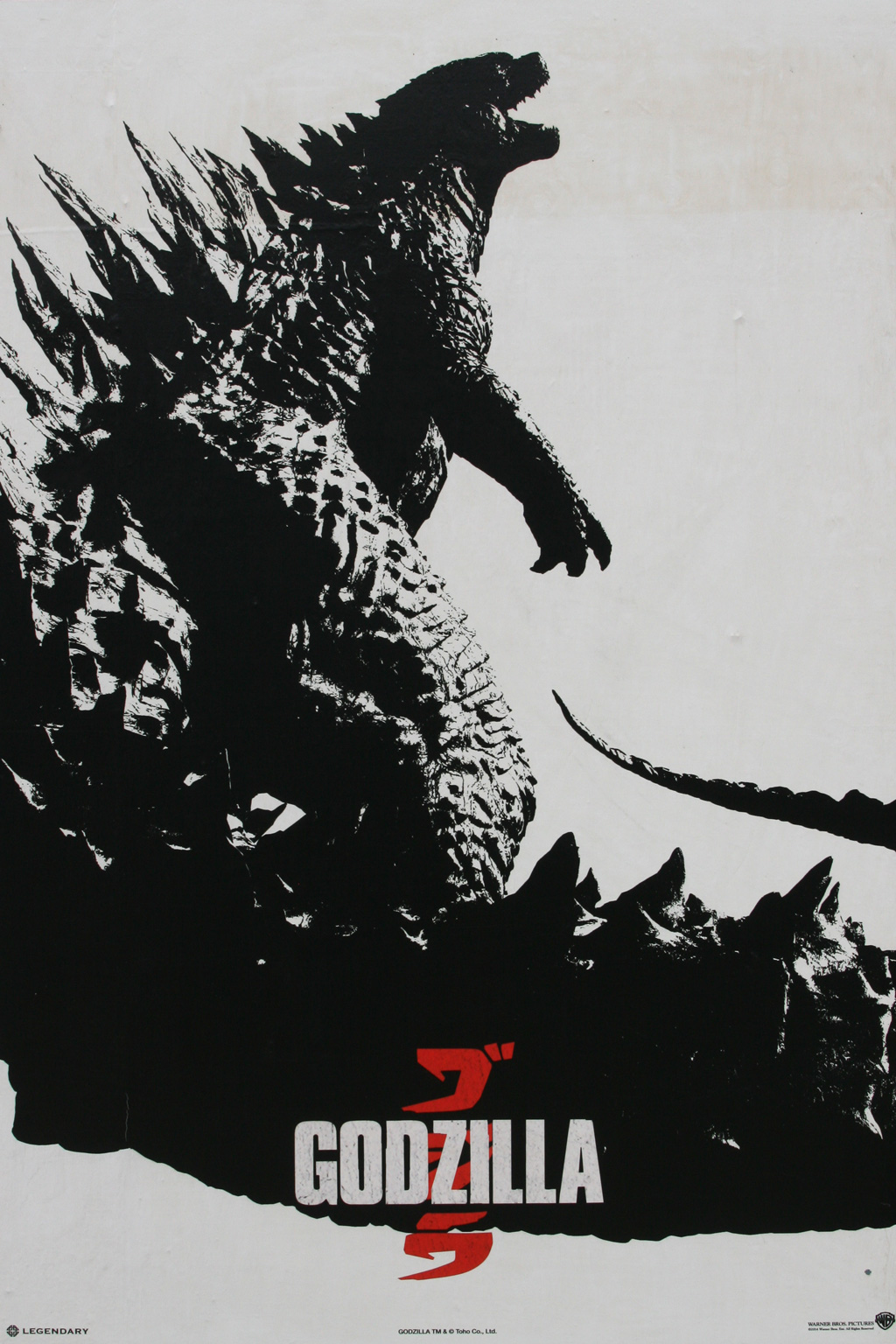
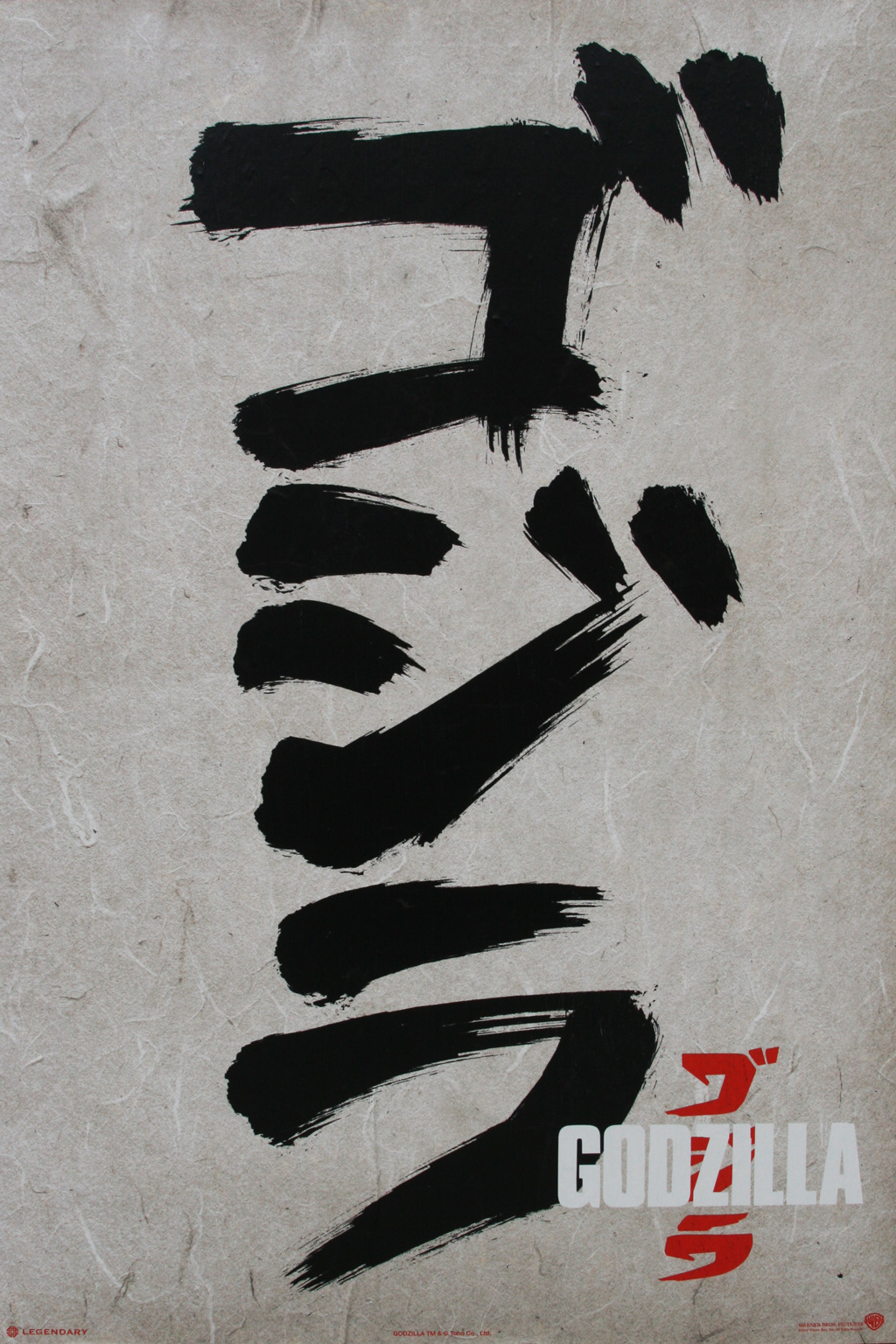
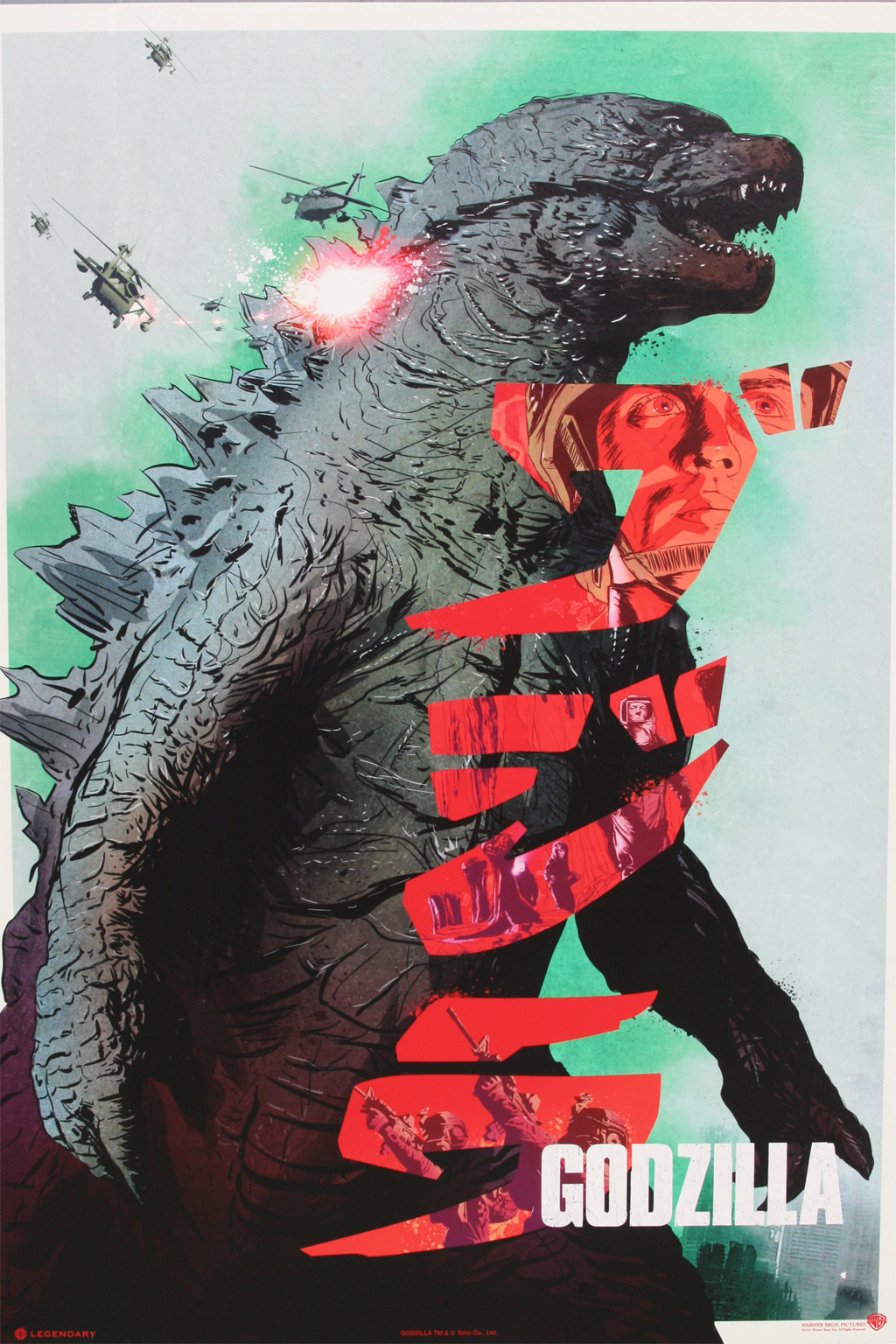
Who’s got my back on this one—the new Godzilla movie is going to be awesome.

Not only does it star Bryan Cranston + Elizabeth Olsen…and a giant fire-breathing monster, it also boasts a pretty stellar print ad campaign, orchestrated by LA-based Ignition Creative. In addition to the traditional campaign based on movie stills + art, they’ve thrown together some really impressive retro ones that touch on multiple eras and design styles.

We shot these these the other day, posted at the corner of La Brea + Melrose.

IMG_9564

IMG_9590

IMG_9589

IMG_9587

IMG_9578

IMG_9571

Last week, when we up in Sonoma for some work meetings, we got a strange recommendation during an end-of-the-day happy hour:

“You have GOT to check out the Seed Bank in Petaluma!”

I’ve never been on Family Feud, but if I were, and if whoever hosts it these days requested that I name one of the top five must-see sights of California wine country, I would certainly not say “Visit the Petaluma Seed Bank, sir!”

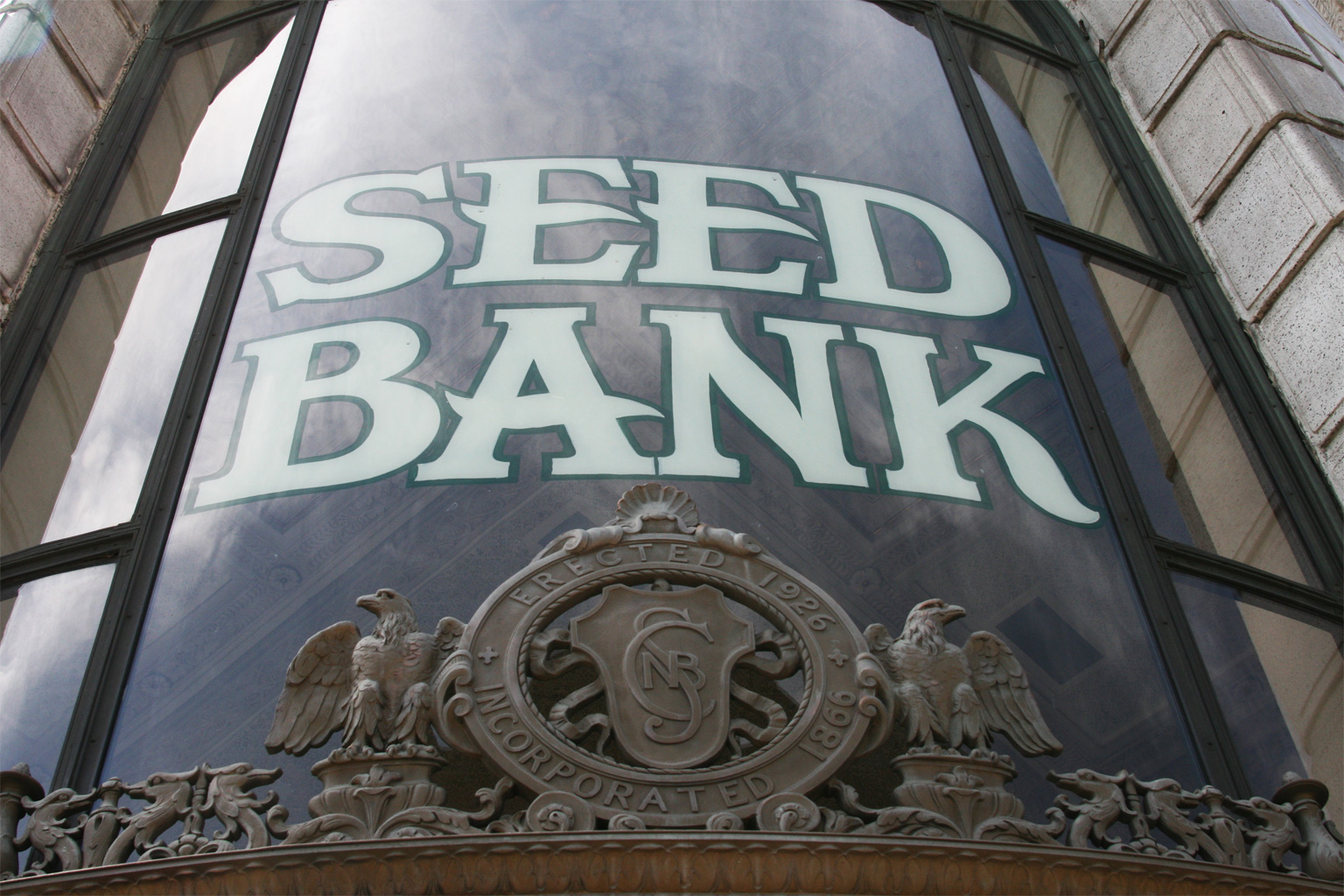
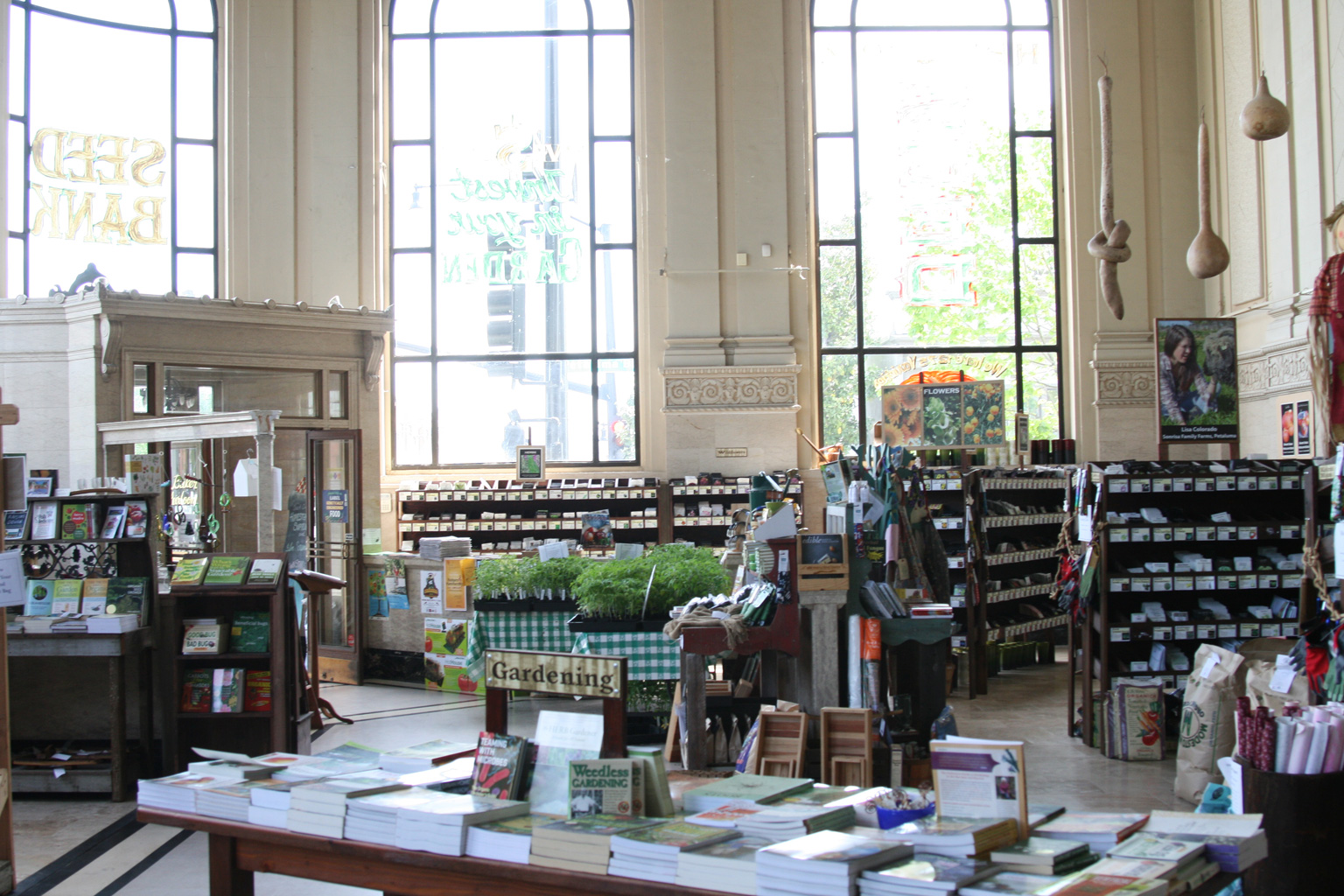
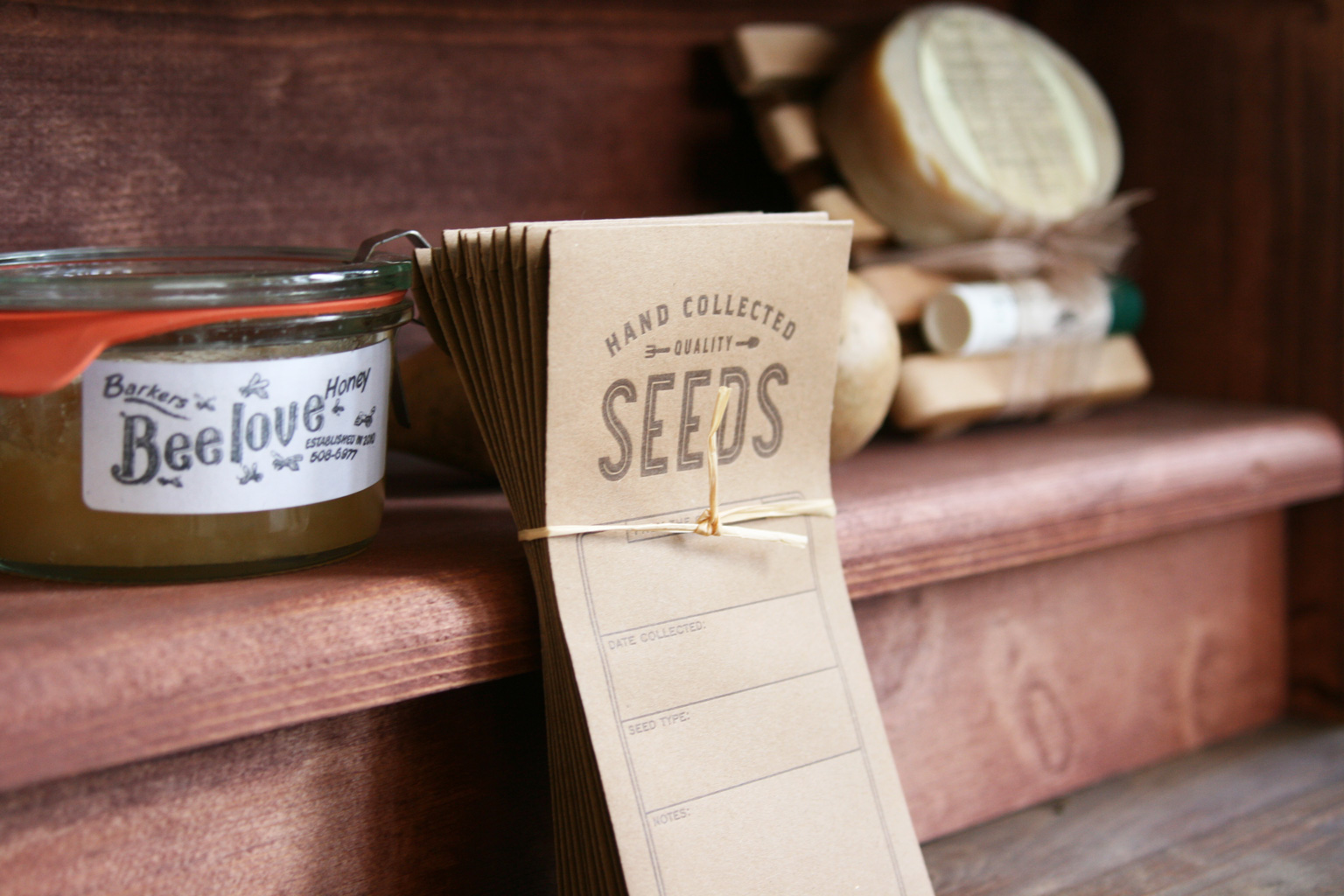
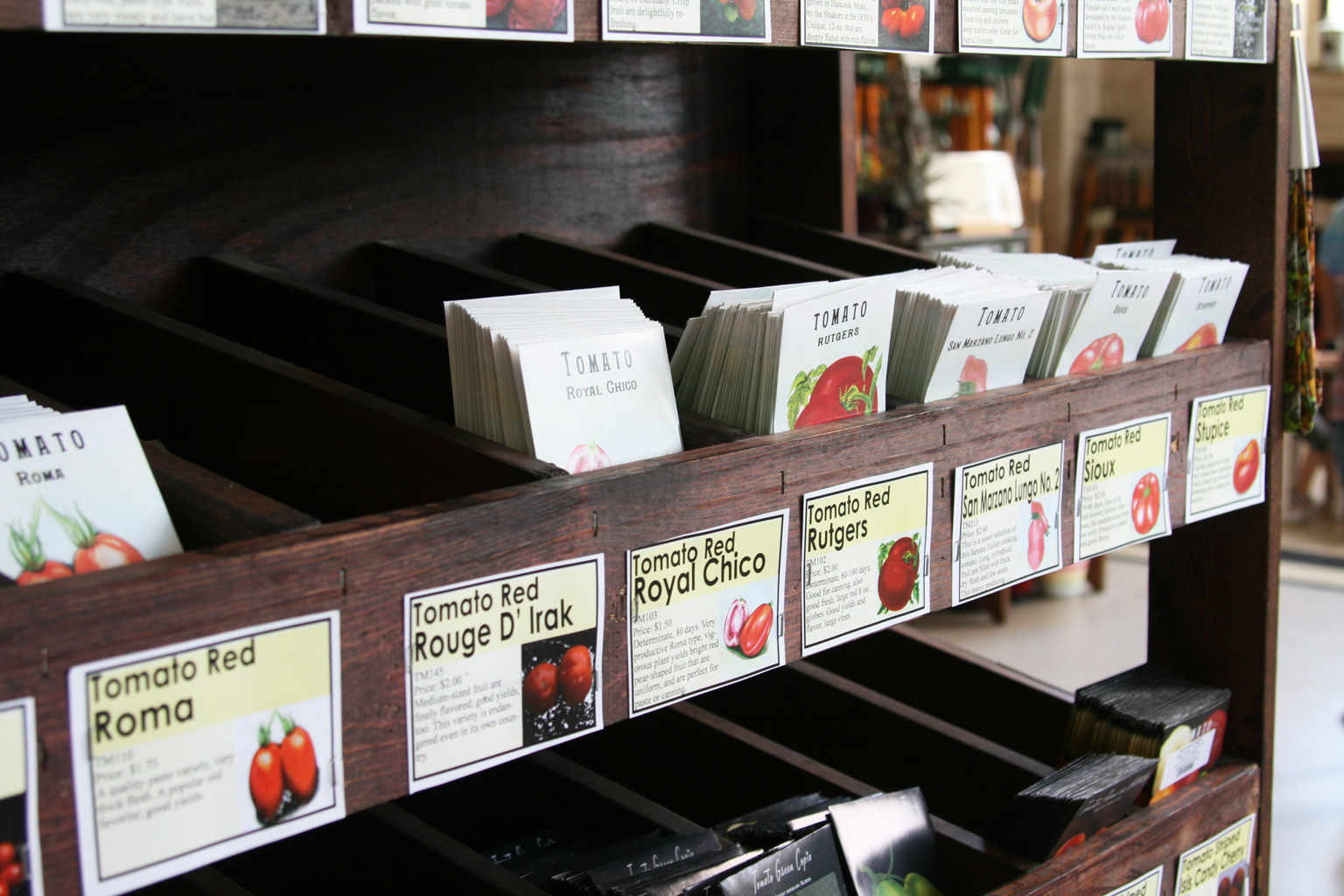
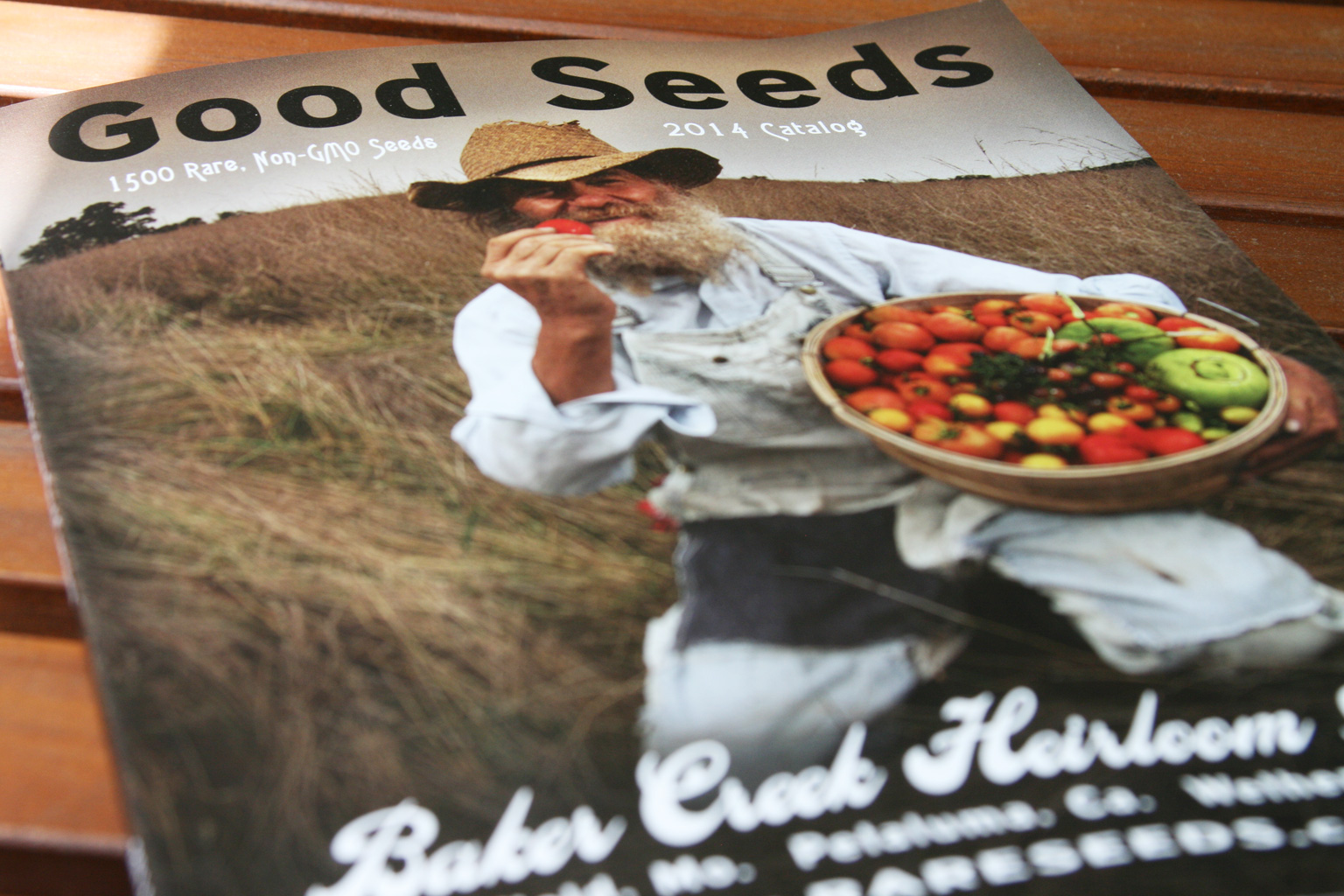
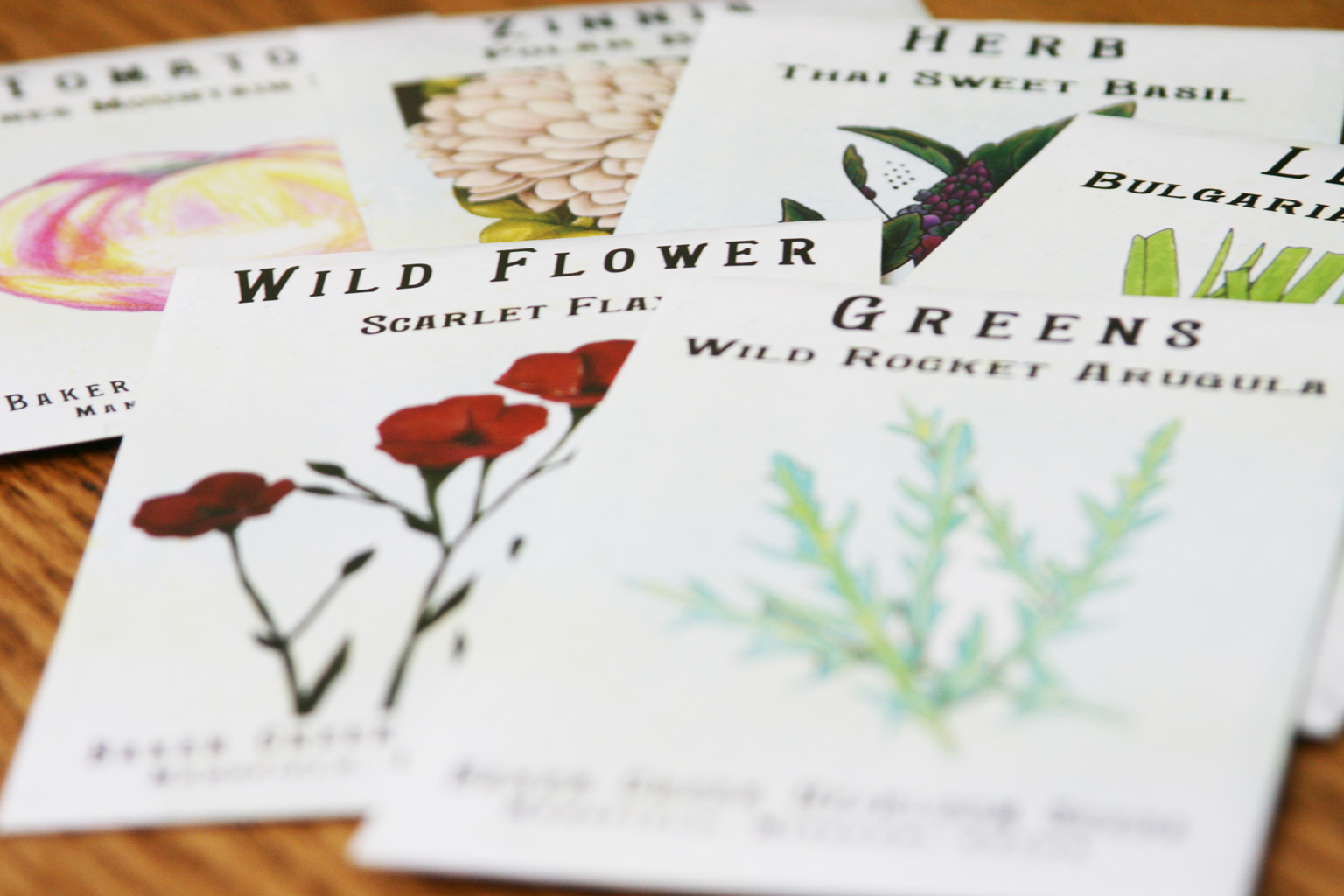
But, it turns out, we were not at all led astray by that friendly, slightly bewildering recommendation. The Petaluma Seed Bank was established in 2009 as western outpost for the Missouri-based botanical behemoth, Baker Creek Heirloom Seeds. Set in the historic Sonoma County Bank building—built in the 1920s—the Seed Bank is nothing short of impressive, be your thumb green or not. Acting as both a retail store and a kind of archival repository for obscure + nuanced flora, the massive depth of their seed collection matches the interior of the vast, high-ceilinged building.

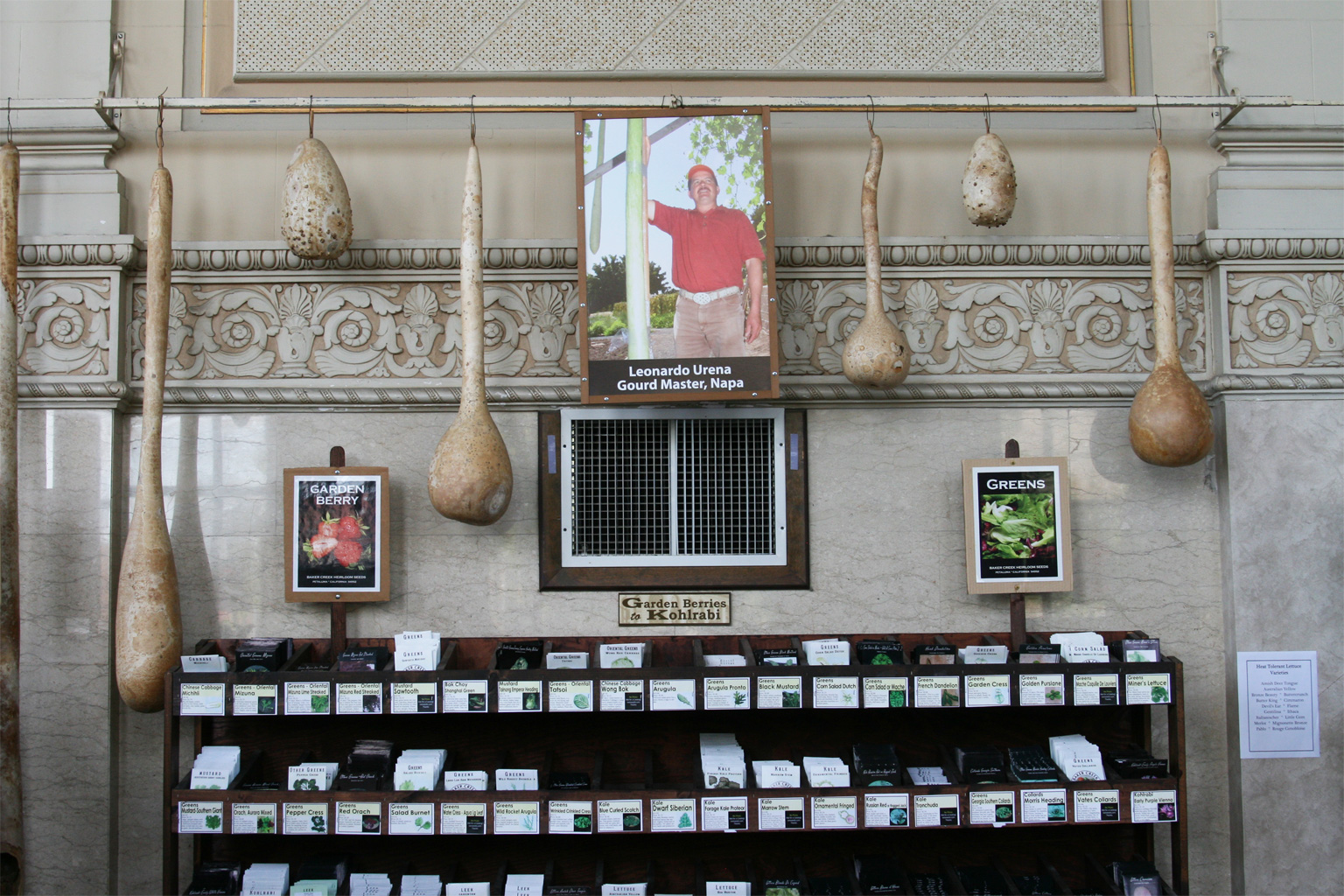
The call the Bank “a beacon for gardeners, foodies, shoppers, and tourists alike.” They continue on their site—”We offer over 1,500 varieties of heirloom seeds, garlic, tools, books, and hundreds of local hand-made gifts and food items. Remember—everything we offer is pure, natural, and non-GMO!” Writing that out now I realized I somehow missed the heirloom garlic. I have no idea what heirloom garlic is…BUT I WANT IT.

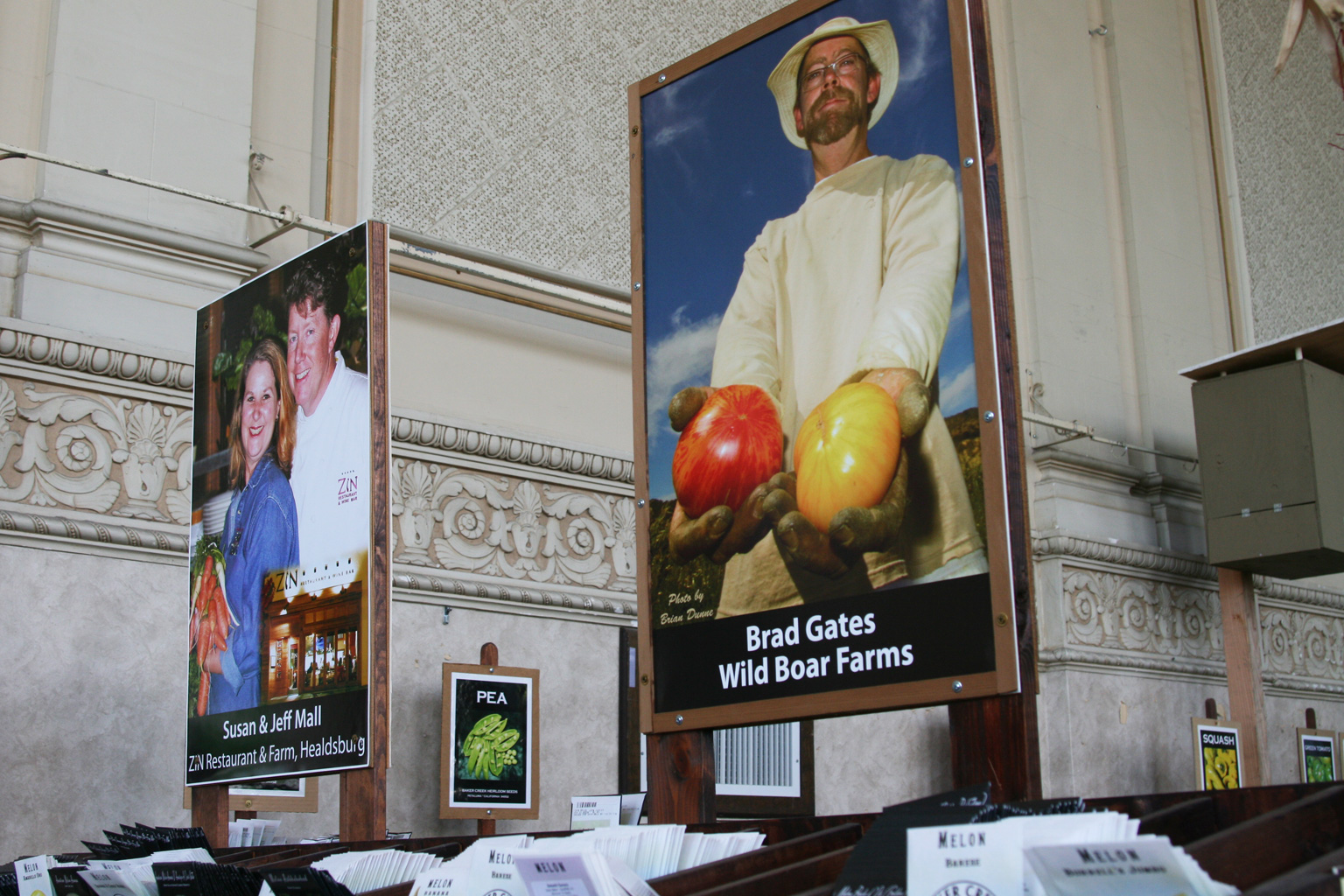
Pair that enthusiasm for heirloom seeds with the “did I just step onto the set of Frontier House“, homemade garb of company founders and store workers, and…I have no idea what you get, but it’s excitingly weird. In a great way. As long as they don’t sit me down to talk about ‘the great lord’s bounty’ or anything.

You can read Christine Muhlke’s 2010 New York Times article to find out more about Baker Creek and the quelling of that writer’s curiosity on the company.

Visit the Petaluma Seed Bank for all your seed-buying needs next time you’re in the area, located smack in the middle of historic downtown at 199 Petaluma Blvd. It really is worth the trip. You can shop Baker Creek’s online store as well.

IMG_9397

IMG_9398

IMG_9399

IMG_9401

IMG_9402

IMG_9519

IMG_9562