A happy Cinco de Mayo to everyone today. We suggest celebrating this holiday in any of these three ways:

IMG_60141. Listening to the excellent mariachi covers of Mexico’s Mariachi Rock-O, like their take on Morrissey’s “Everyday is Like Sunday” or Bob Marley’s “No Woman, No Cry”, both below;

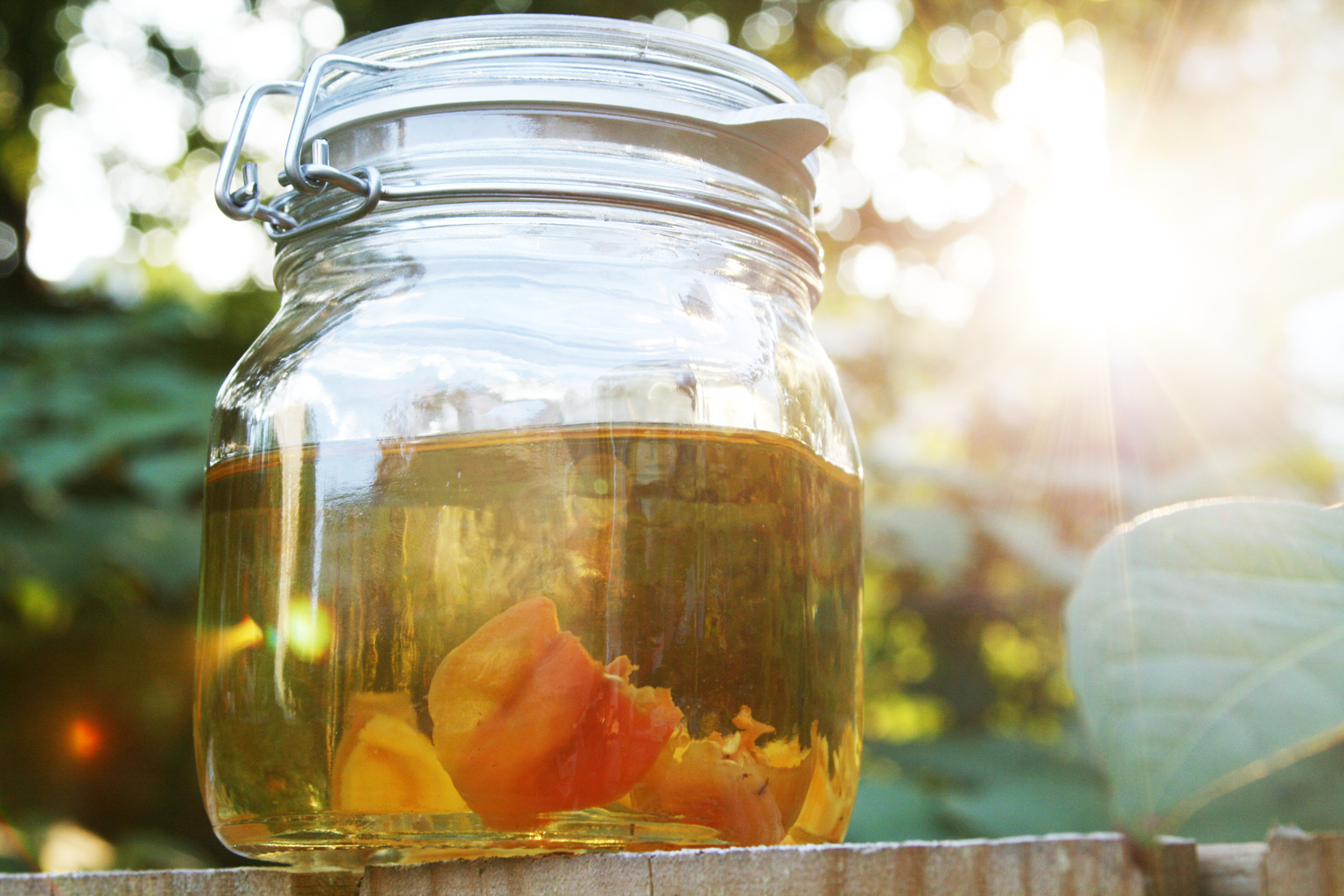
2. Traveling back in time a few days and making this habenero-infused tequila from our 2009 recipe—it makes for some of the best, most adventurous margarita-drinking ever; and

3. Actually learning what we’re celebrating with Cinco de Mayo. Not to talk down to anyone—we’d barely known ourselves until recent years—but we are not, in fact, celebrating Mexican Independence Day; that’s in September.

What’s actually being commemorated is the May 5th Battle of Puebla, during the French “Intervention” in Mexico, when Mexican forces very unexpectedly defeated a much larger, better-equipped French Army. The French eventually went on to overpower the Mexican people in subsequent battles, but that little glimmer of hope—the underdog in the fight—that’s what we’re celebrating. That and, more importantly and broadly, Mexican heritage and how it plays into our lives here in LA and elsewhere.

Who can’t get behind that?

I guess the French, maybe. Everyone else—happy Cinco de Mayo to you!

Art by Danny Martin.

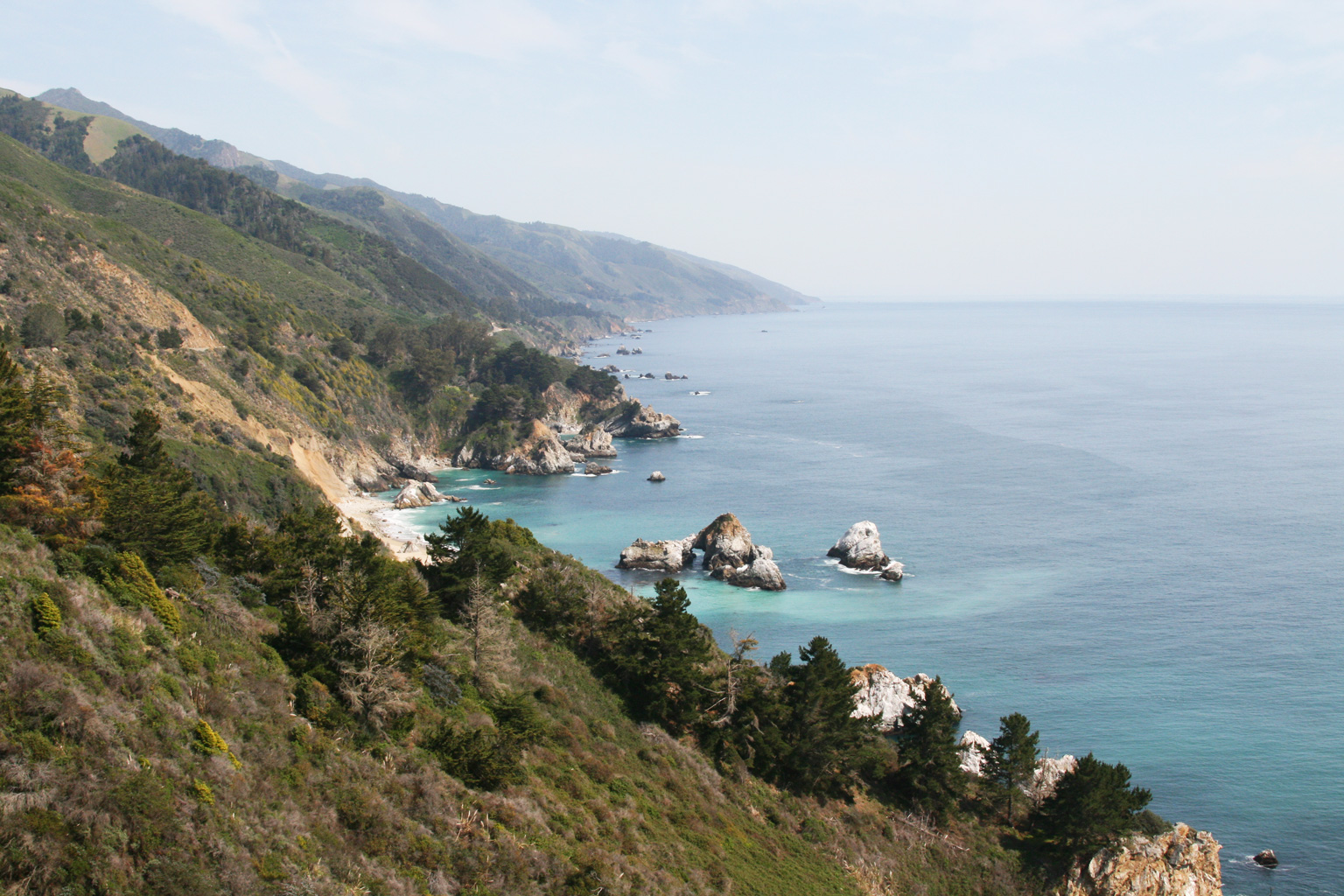
Please note: The California coast is fucking amazing.

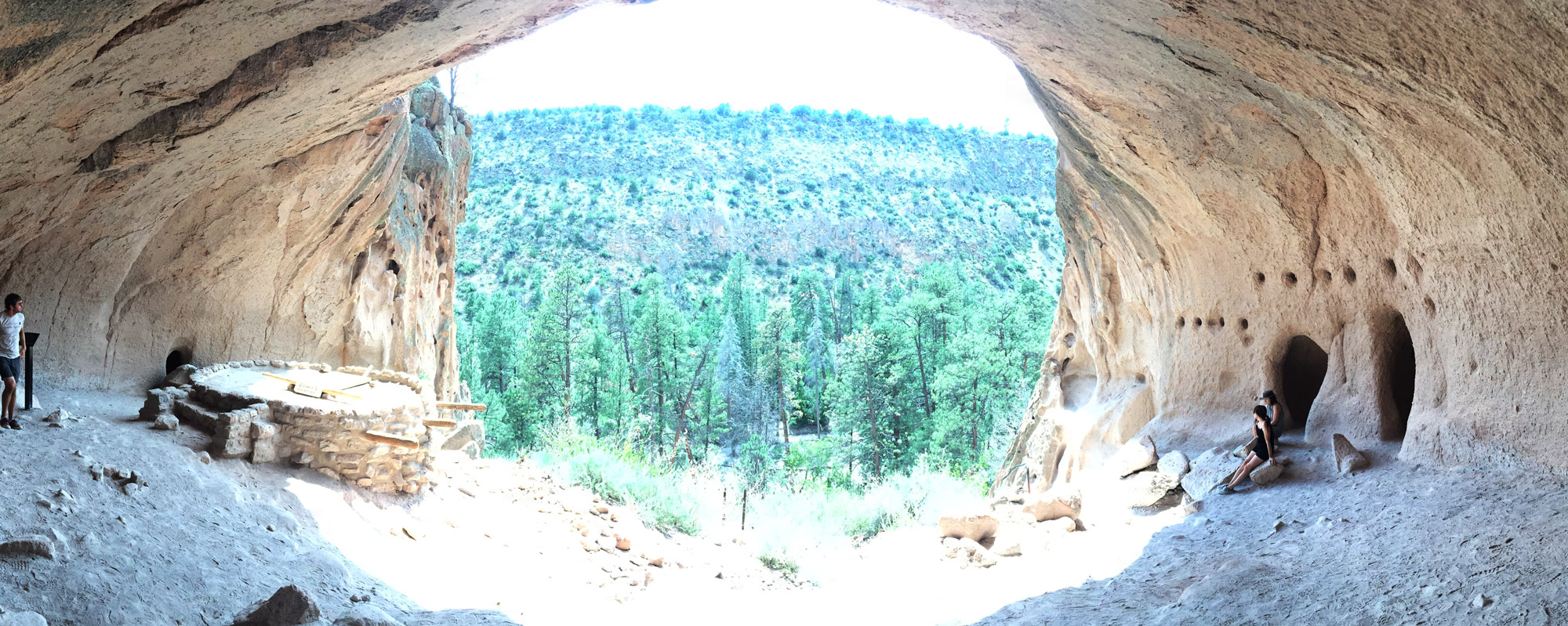
Just back from a trip up to Sonoma—which is lovely, by the way—and then back, over the Golden Gate Bridge, through one of our favorite cities in the world—San Francisco, past a town called Los Gatos (we procured an armful of cats), all around the undeniably magical Big Sur, and past, what, one thousand elephant seals? So playing a bit of catch-up—we’ll be back with you in-full shortly.

Click the panorama below in the meantime to see the White Wolf basking in the Cali sun at a larger scale.

cali_3488

For most of the US—especially our friends in New York—actual spring weather is just around the corner, which means long days at the beach, grilling out, and not openly cursing as you trudge through the snowy streets. But, as anyone who’s lived in New York knows, the city is fickle and teasing with its seasons and, most years, an upper 70s care-free day can and often is followed immediate by a small blizzard the next day.

So why not squeeze in one last cozy soup recipe before we’re in the clear? And, when I say ‘we’, I don’t at all mean me, obviously. LA continues to boast unchanging, eerily nice weather.

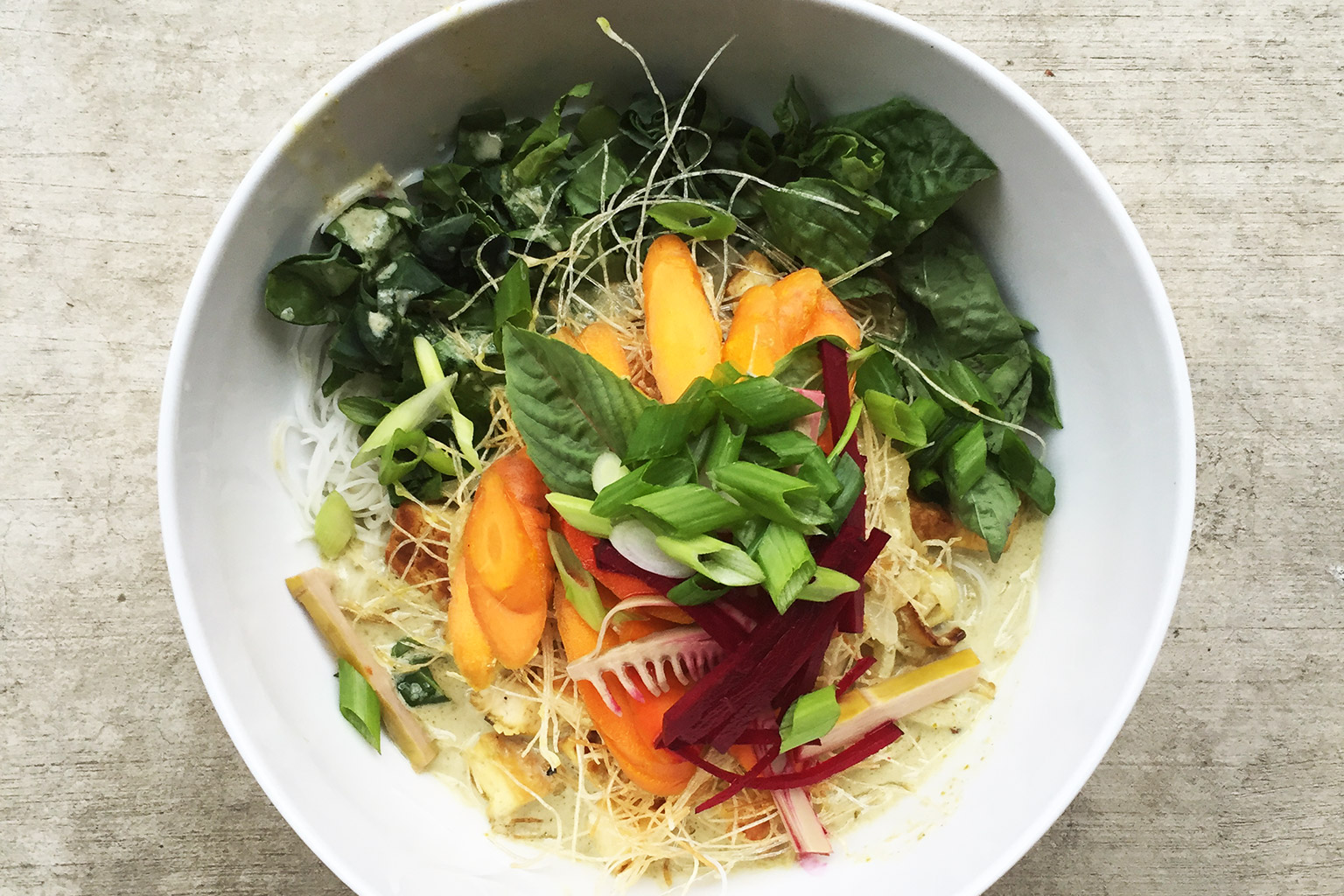
Truth be told, this dish is an all-weather favorite of ours, based on a recipe from one of our favorite cookbooks, Mangoes and Curry Leaves, by (then) married couple, Jeffrey Alford + Naomi Duguid. The couple wrote a number of stellar books before their split that walked a fine line between travel + Eastern culinary arts in terms of subject matter, each  featuring beautiful photography of both the food of the regions they cover and the people and culture of those regions too. For us, they represent the perfect introduction to the cultures behind many of the foods we love. And, whereas the recipes included aren’t vegan or even fully vegetarian, as with many non-Western culinary traditions, most of the foods featured are very vegetable-forward and easily convertible.

Case in point, the Classic Bengali Fish in Broth (p223)—AKA Jhol, meaning “simmered” or “cooked in water”. As the couple writes: “Jhol is served at the main noon meal in many households in Bengal. There’s a lot of broth, and flavors are delicate, with some heat from fresh green chiles and a little cayenne as well as from the mustard oil.”

A simple swapping of cod to tempeh keeps a similar texture and soaking up of the spices used while vegan-izing the entire dish. We find ourselves craving this dish all time of the year and highly recommend giving it—and the cookbook as a whole—a try.

So, what you need:

8 oz Tempeh, cut into 1″ cubes
2 teaspoons Salt
1.5 teaspoons Turmeric
4 tablespoons Mustard Oil (see note below)
3 tablespoons Vegetable Oil
1 teaspoon Panch Phoron (“five flavor/five spice”, a traditional Bengali spice mixture) or scant 1/4 teaspoon each Black Mustard, Nigella (or Black Cumin), Fennel, Fenugreek, and Cumin Seeds
1 teaspoon Fresh Ginger, finely minced
1/2 cup Tomato, diced
1 cup Zucchini, cubed
1 cup Asian Eggplant, cubed
1 teaspoon Coriander Seed, ground
1 teaspoon Cumin Seed
1/2 teaspoon Cayenne
3 cups Water or Vegetable Broth (see note below)
4 Green Chiles, seeded, de-stemmed, and cut into chunks
1/2 cup Cilantro Leaves, de-stemmed and sliced

In a small bowl, mix 1 teaspoon each of salt and turmeric and throw in the cubed tempeh, tossing to coat; set aside.

Now heat 2 tablespoons of the mustard oil in a heavy skillet.  A quick note on mustard oil—first, it lends an amazing taste to anything you cook it with. Second, in the US, it’s allowed to be sold if marked for external use only. Reason being, some believe it to be a health risk if ingested. As the New York Times writes in a 2011 piece on mustard oil: “Since the mid-1990s, the Food and Drug Administration has banned the import or sale of pure mustard oil as a foodstuff. Some mustard oils are 20 to 40 percent erucic acid, which studies have indicated might cause heart problems in lab rats.” But the jury’s still out. Some actually believe it to be good for the heart and health in general and many cultures have used it in cooking for generations. You can read the full article to find out more, but, our call—it’s good and we don’t use it too too often, so I doubt it’s doing much harm or good, if any at all.

Anyway, heat the oil and add the coated tempeh, cooking over medium to high heat and turning the pieces until it’s uniformly browned. Remove from the pan, draining excess oil, and set aside. You can put the tempeh in a bowl lined with paper towels if you’d like to soak up more of the oil or not if you’d like to incorporate the oil into the final meal.

Add the vegetable oil to the same pan and place back over medium-high heat. When you can hold your hand just over the pan and feel heat coming from it, throw in your spice mixture—Panch Phoron (pictured to the right)—and stir-fry briefly, until it starts to give off a fragrant scent. Add the ginger + tomato and sauté for about a minute, stirring as you do and allowing the tomato to break down a bit. Add the zucchini + eggplant and cook for 2-5 minutes, until the vegetables begin to soften. Add the rest of your spices—remaining turmeric, ground coriander, cumin, and cayenne—then add the water or broth, siring to mix. Bring to a boil.

On water vs. broth, we tend to use vegetable broth to give back some of the flavor lost by using tempeh instead of cod. We use a homemade broth, made from vegetable scraps that we save + freeze until we’ve accumulated a bag-full, then boil down for a few hours. It creates some really unbeatable broth and we highly recommend doing the same, but low-sodium store-bought’ll work too.

Carefully add the tempeh and chiles to the boiling mixture, lower the heat, and simmer until the vegetables are all tender but still retain most of the color—usually just about 5 minutes or so. Add your remaining salt, stir, and then carefully taste to see if you need to add any more salt or other seasonings.

Remove from heat and serve hot in a bowl, garnished with cilantro leaves. A nice rice or naan is great to serve with this soup to offset and control the spice level of the meal as a whole.
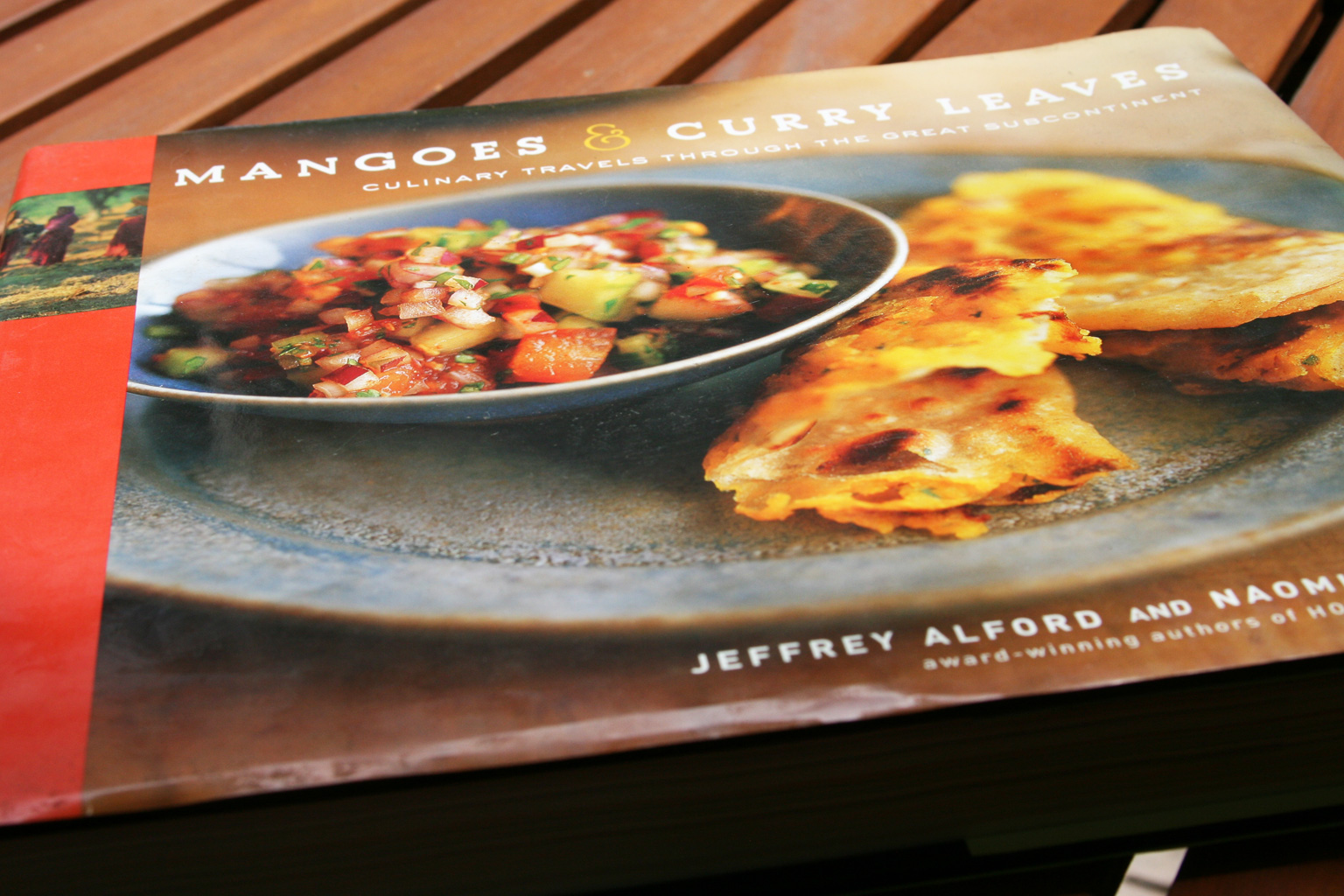
mangoes-and-curry-leaves_9358


A dual shout-out to the artwork of Jenny Fine—who did the poster above—and the laff-inducing mind of our friend, Eliza Skinner, who seems to be blowing up of late.

Angelenos—catch an hour set from Eliza for free tonight at 730PM at The Virgil, 4519 Santa Monica.

You can also read through our LA-centric interview with Eliza from last April. Turns out, her favorite bar in LA is The Virgil. Who knew.

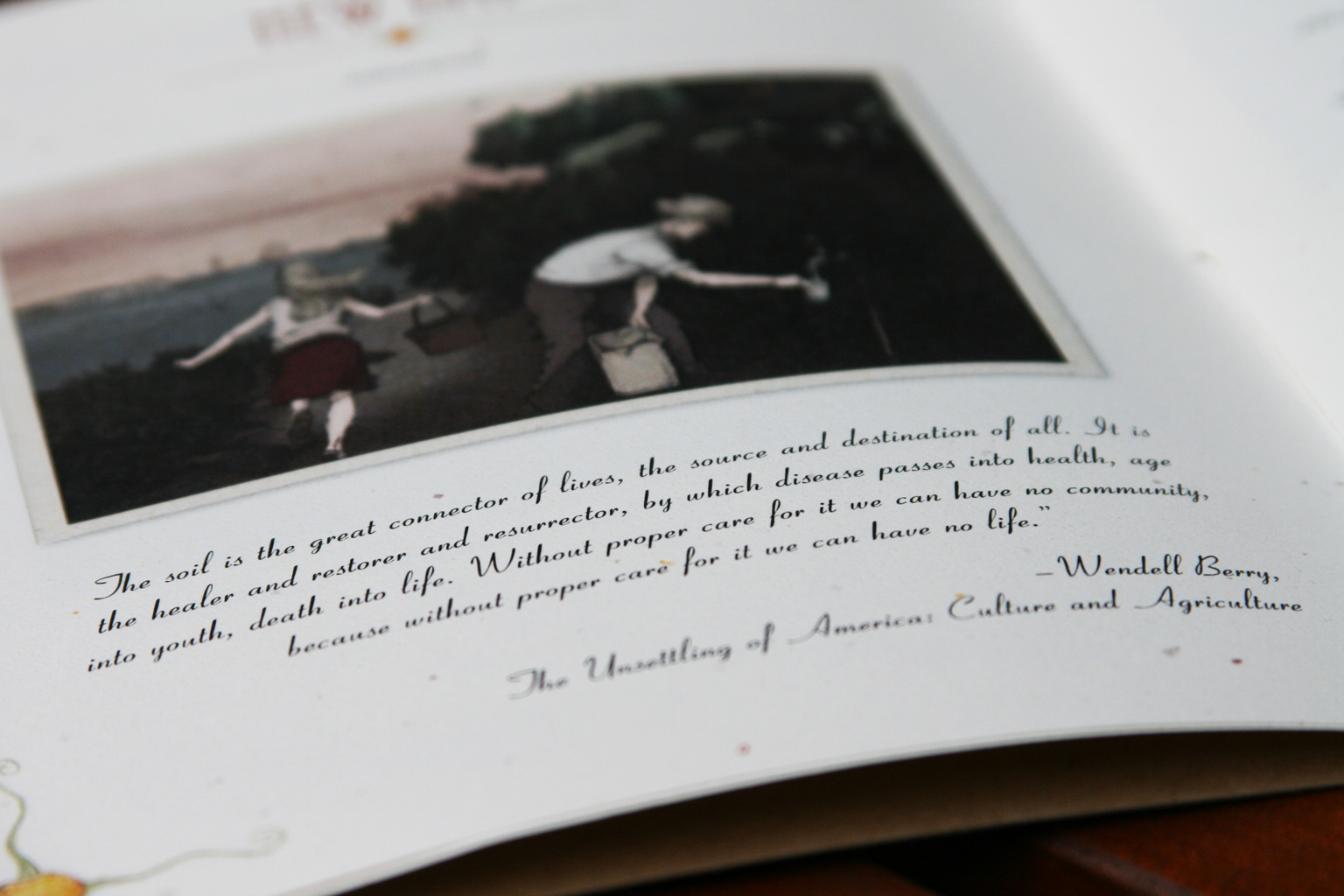
Some words of wisdom from American author + environmentalist, Wendell Berry to commemorate this Earth Day:

“The soil if the great connector of lives, the source and destination of all. It is the healer and restorer and resurrector, by which disease passes into health, age into youth, death into life. Without proper care for it we can have no community, because without proper care for it we can have no life.”

– Wendell Berry,
The Unsettling of America: Culture and Agriculture

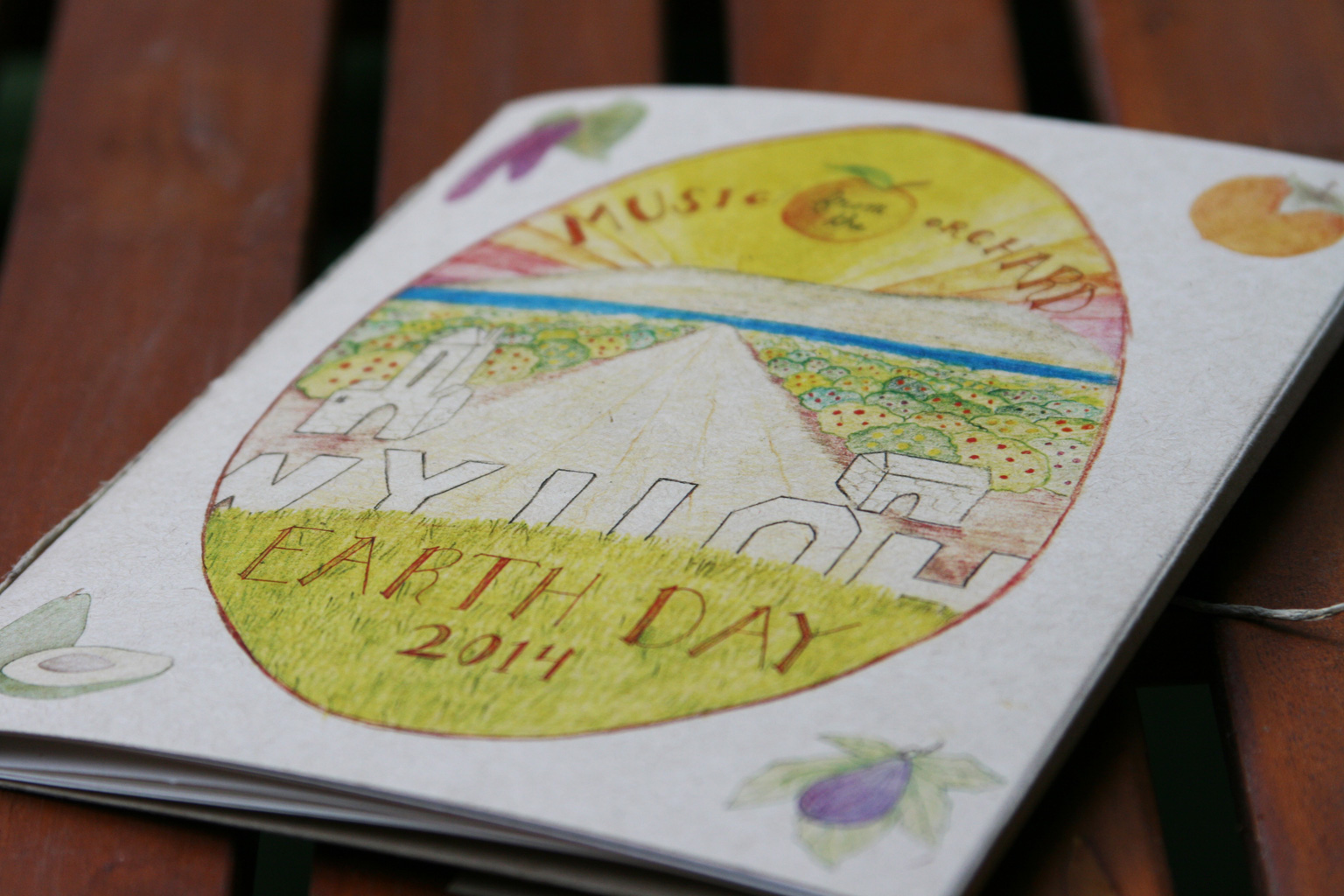
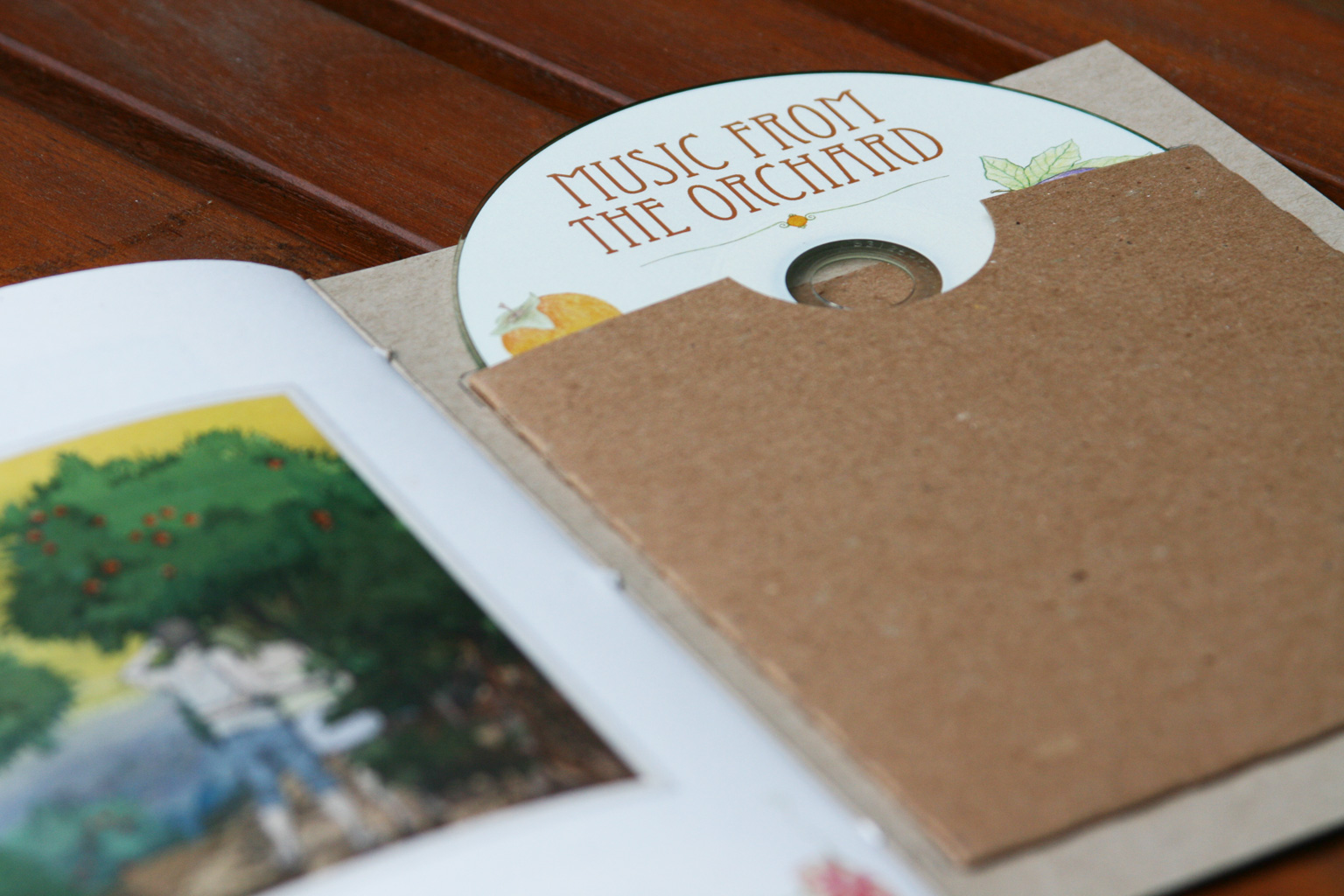
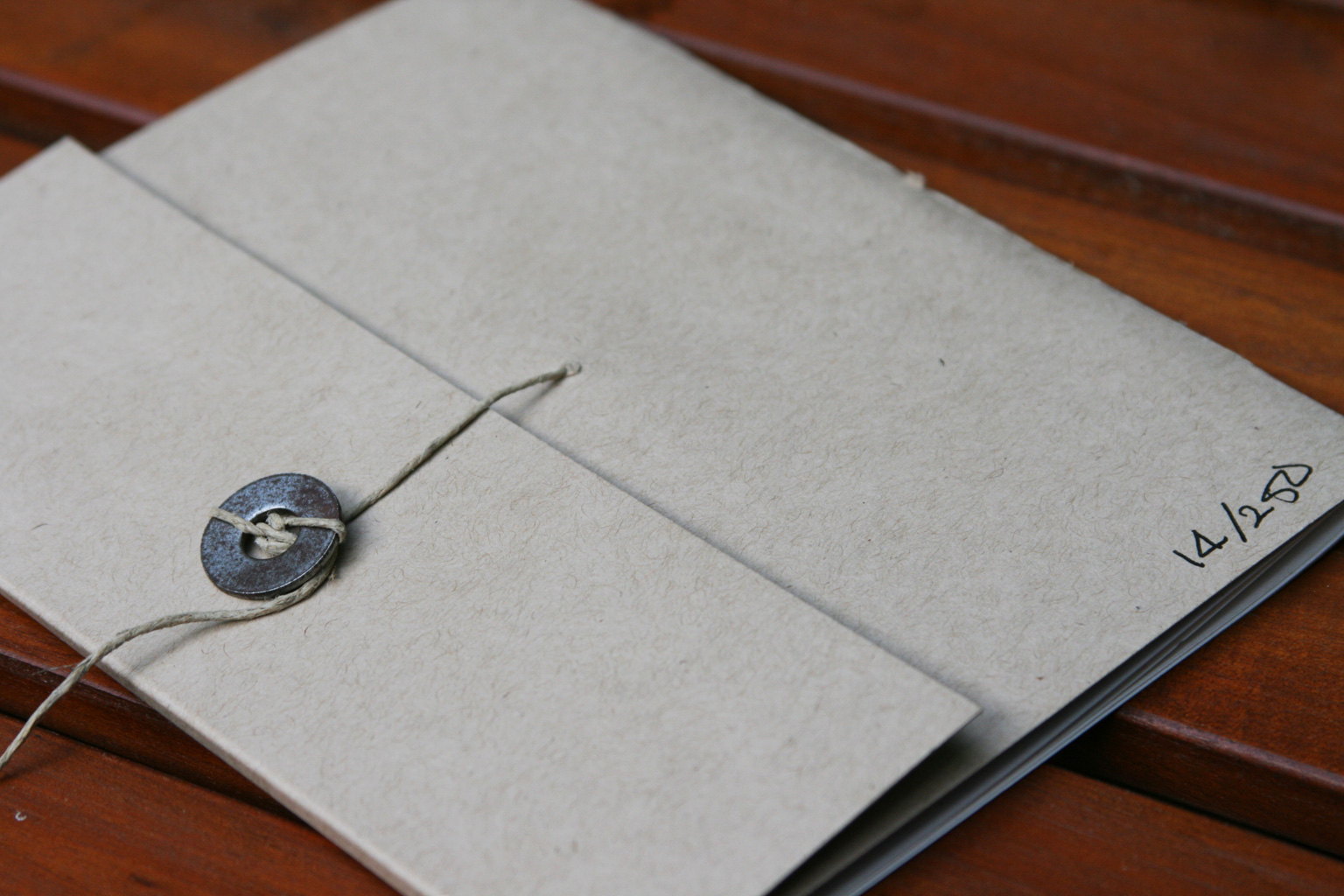
The words were passed on to us through the Hollywood Orchard, who celebrate Earth Day with a community pot luck, live musical performance of original work inspired by the orchard, and commemorative CD + hand-stitched booklet, pictured here. Last we heard, they had a few copies left—email them with inquires.

IMG_9347

IMG_9344

IMG_9341

Fare thee well, New York. It was great to spend some time together again.

And hang in there—the weateher’ll stop fucking with you sooner or later.

Quick—someone buy me these gloves.

Evidently, you can add ‘inventor’ to Imogen Heap‘s CV.

Working with a team of developers and fellow musicians, the signer has helped to design the Mi.Mu gloves, which allow users to “more naturally engage” with computer software and control and create live music in a more exciting manner than, say, standing in front of a computer pushing buttons for an hour.

Watch Deezen’s exclusive interview with Heap in her London home below and read more about the gloves and their myriad uses on the Deezen and MINI Frontiers blog. You can find out more about Heap’s Kickstarter campaign to raise funds for the gloves on her Web site.

We’re keeping it brief today as we’ve only just arrived back from a day-long field trip showing the local 6th graders from Cheremoya Elementary around the virtual orchard that makes up Hollywood Orchard up the hill from their school.

The Hollywood Orchard is a local community group that works “to better neighborhood quality of life by operating a community orchard that is a teaching model for sustainability through its workshops on growing fruit locally, and sharing the food in open-air events held in the Beachwood community, outreach communities, and food-charity organizations.” And, as luck would have it, we ended up moving to Ground Zero for the Orchard—Glen Green Street—and have subsequently involved ourselves in their regular events, like educational Farmers’ Circles, Pick ‘n’ Kitchens, and, today’s

We’ve briefly mentioned the Orchard in other posts—like the lemon poppyseed cake recipe we posted and the interview we did with local cafe owner, Patti Peck—and will surely use this space to tell you about other work we do with them, both design and hard labor. We’ll also be sure to explain exactly what a cherimoya is and why it’s awesome a little down the road.

Right now, though, we need to go sleep off seven straight hours of unforgiving sun, harrowing cliff-climbing, and socializing with 6th graders.  In the meantime, you can find out more about Hollywood Orchard on the group’s site and see pictures as they’re posted to the Orchard Facebook page.

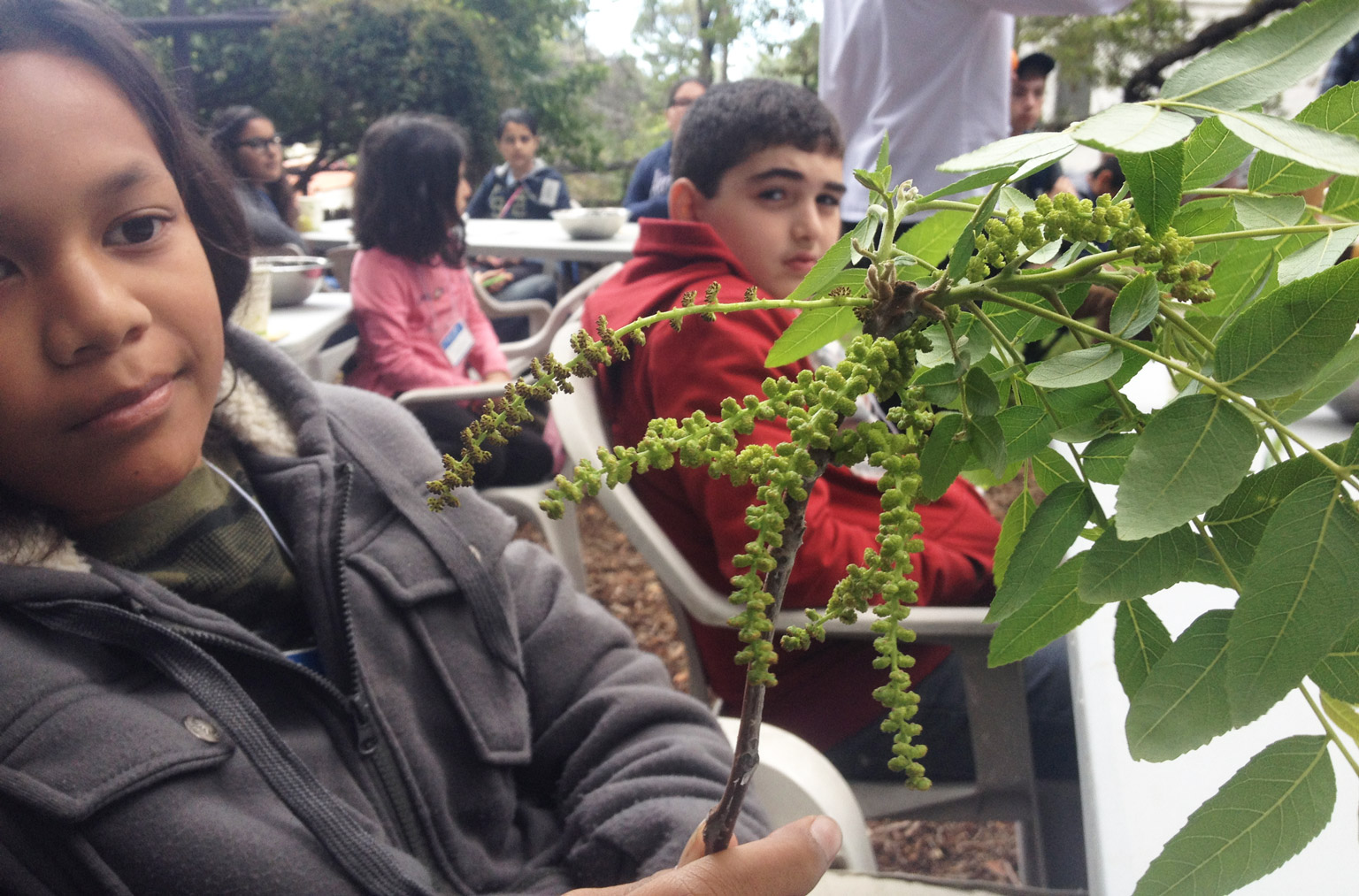
Above, 6th grader, Tad, showing off the local Black Walnut tree branch bearing tiny walnut fruits as George looks tough in the background. Go Team Dragonfruit!

To the right, Cheremoya Elementary, circa 1920.

I didn’t take that photo.

Long-time clients, Farm Sanctuary, just released a new ad that makes a pretty compelling case against bacon and the like.

Created by Culver-City-based One/x Agency, the 36-second stop motion spot takes the cute, endearing route rather than the shock-and-awe one, which we can get behind. Siting scientific studies that show pigs consistently beating both chimps and three-year-olds at video games, the ad aims to deepen our understanding of these intelligent creatures.

Find out more about pigs used for food on Farm Sanctuary’s site.

And next time you’re thinking of chowing down on some bacon or ham, maybe picture Winston, to the right there. Winston was found wandering down the streets of Queens, New York, where—with so many live markets—such sightings are more common than one might think.

Read Winston’s full story—it’s a good one.

All of us grew up knowing that National Geographic went hand-in-hand with powerful, evocative photography. It was a given that, when you sat down with that distinguished publication—framed as it still is in that bright, nearly shouting yellow—you were likely to open to any random page and have your breath taken away by what you saw. Whether I realized at the time or not, the magazine helped teach me the power images hold over us all.

But, evidently, that wasn’t always the case. When National Geographic was first published in the fall of 1888, it was a dry, severely text-heavy scientific publication that served as the sole literary outlet for the National Geographic Society. But, after a resoundingly positive public reaction to full-page photos of Tibet in their January 1905 issue, the magazine made a dramatic + deliberate shift toward the graphically impressive, pulling in photographers to create compelling images to accompany the stories that filled its pages, which had grown from discussing optimal slope grades for water runoff (yes, made that up) to tackling larger environmental, political, and societal issues.

Last fall, National Geographic + LA’s Annenberg Space for Photography opened The Power of Photography: National Geographic 125 Years. Yes, I too wish they had included a little more punctuation in that title, or maybe a preposition, like ‘at’, but that’s all beside the point. The point: Go to this show before it closes.

I’ll admit straight away, when I first heard about the format of the exhibit, I had my misgivings. You see, given the vast, vast collection of outstanding photographs that were to be part of the exhibition, organizers made the choice to rely on photographic slideshows shown on digital displays. Sounds budget, right? Turns out, it’s awesome, in the most literal sense of the word.

Sarah Leen, Director of Photography for National Geographic, explains:

“National Geographic’s photographic archive spans 125 years and includes more than 11.5 million images. In order to truly capture the breadth and depth of the collection we decided to create a show with 501 images alternating on screens, along with a selection of prints and print mosaics. The result not only reflects the general move in photography and the magazine toward digital imagery, but allows for a dynamic, immersive and richer experience of our archive of photographs.”

The Center’s site further explains the set-up: “Thirty professional-grade large format LED monitors are arranged to create video walls throughout the Photography Space galleries. These six video walls, ranging from 12 to 14 feet in width, present both individual images and photographic essays. Given the volume of photographs on the screens, and a format in which the images loop at different times throughout the galleries, the viewing experience is unique to each visitor and each visit.”

The result is honestly a must-see for any fans of…everything, really—animals, nature, people, culture, beauty, color, and that amazing feeling you get looking up into space or out at the ocean when you realize that your problems are usually the smallest, most insignificant things in this vast, limitless world of ours.

Seriously, if you live in LA or are visiting in the next month (the show closes April 27)—go. You’ll see what I mean.

The Annenberg Space for Photography is located at 2000 Avenue of the Stars, Los Angeles, CA 90067 and is open 11AM-6PM Tuesday-Friday; 11AM-9PM on Saturday + Sunday; closed Mondays. Parking is available in the underground garage next-door (there are signs).
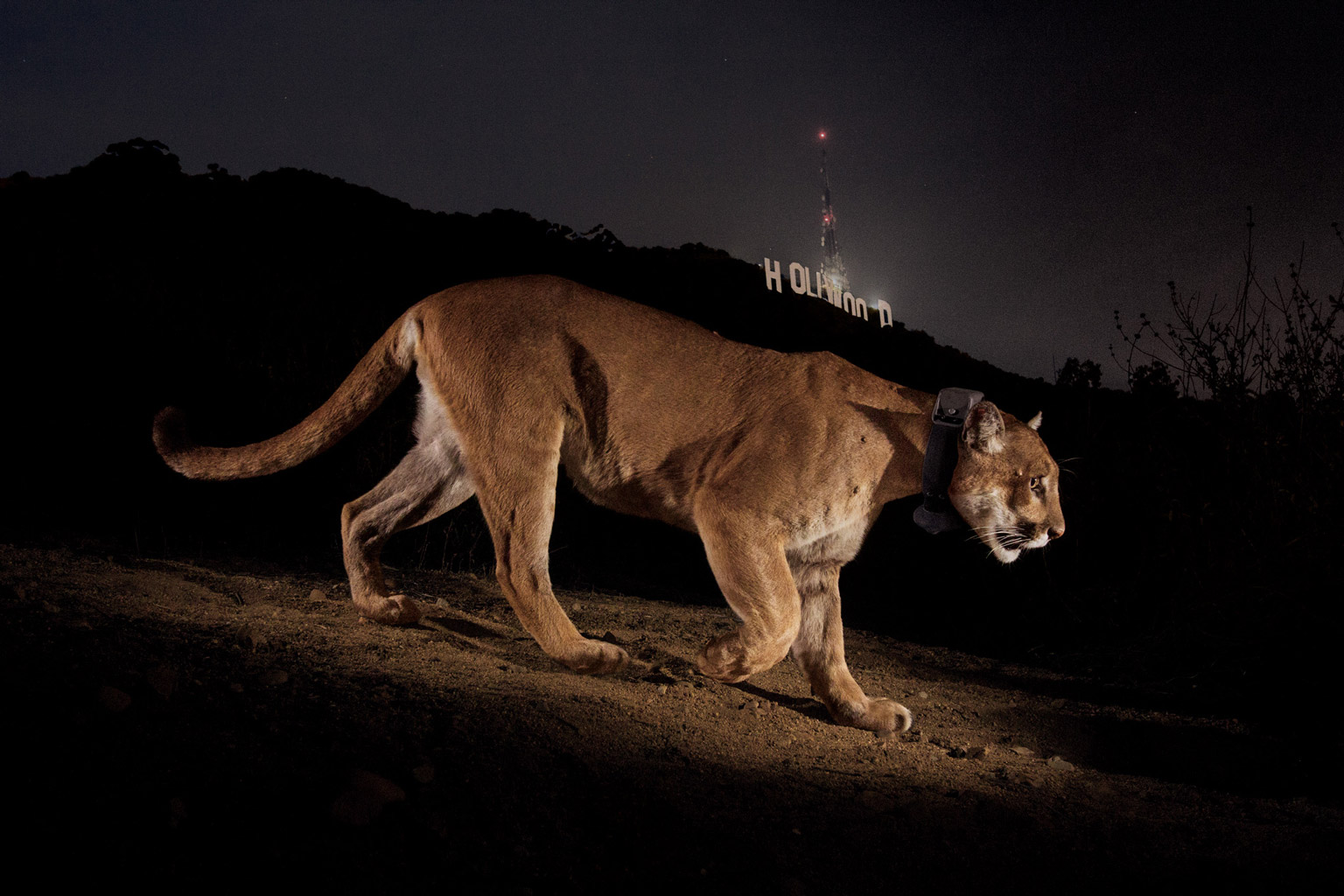
Above, the much-circulated photo wildlife photojournalist Steve Winter took last year of P22, the cougar that lives a short walk from our studio; a fact that both impresses us…and terrifies us. To the right, Steve McCurry’s iconic photo of an Afghan refugee from 1984. See both in person at the exhibit.

Below, a short video featuring photographers from the exhibit.