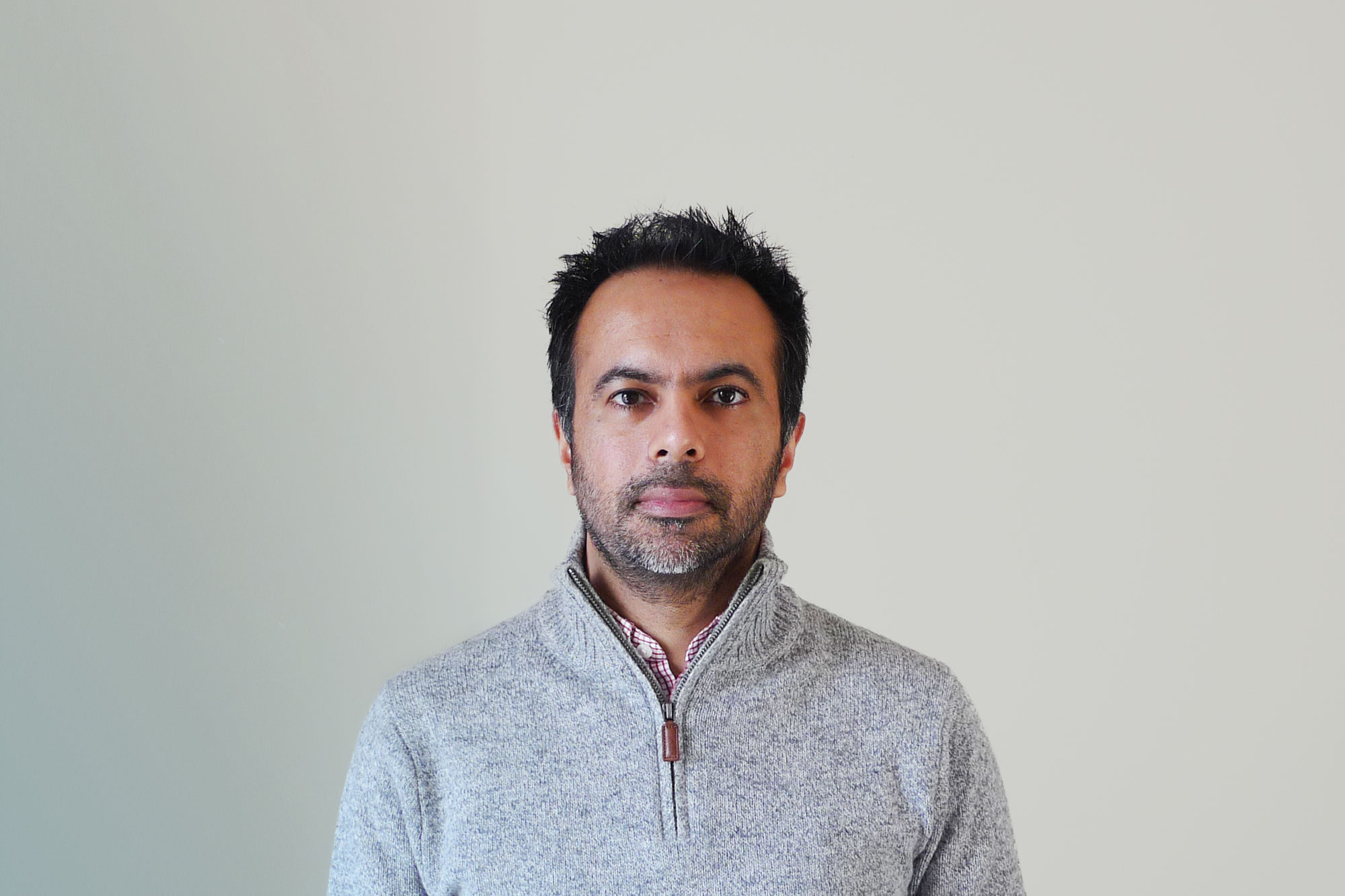
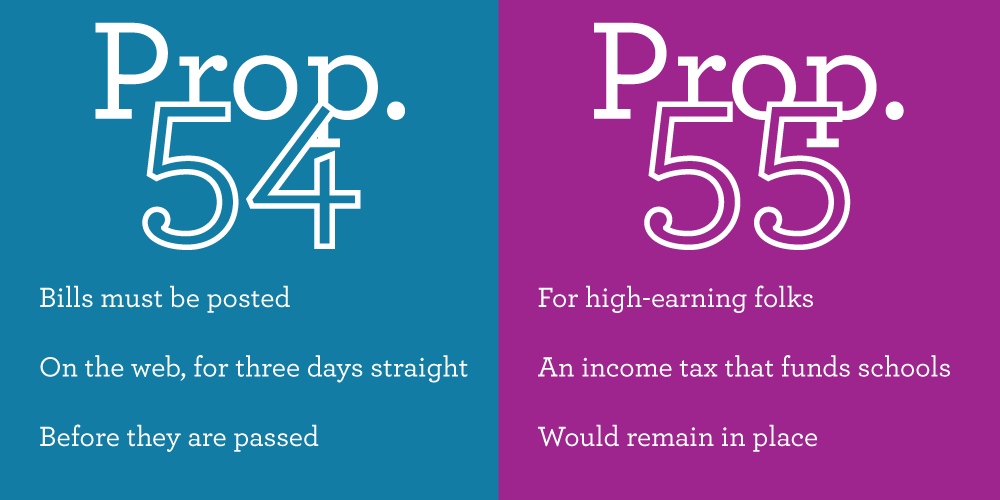
Continuing the post-election series we started Monday where we ask friends of the studio and those whose opinions we respect, basically, what now? Rather than curl into the fetal position and sink into our dark place, how can we take this massive shift in culture and politics and make it into something good. Today’s piece is from Damien Carroll, who contributed some pre-election insight on the many California propositions to us recently and acts as 1st Vice Chair of the Democratic Party of the San Fernando Valley.

It’s hard to overstate all this country lost on Election day by voting in (though the antiquated electoral college, but still) an abusive, vindictive, amoral dunderhead as our next President. A man who no decent parent would hold up as an example for their children. A man whose biggest business accomplishment was losing enough money to avoid paying taxes for 18 years. A man who we know full well doesn’t even want the job. Donald Trump hasn’t even been sworn in yet, and already this election is enshrined as the most self-destructive act of a great nation since the Trojans pulled a wooden horse into their city and left it out overnight.

So far be it from me to sugar coat. This is really, unbelievably bad. This is like if the Goonies ended with the kids drowning in the underground cavern while Mama Fratelli walked into the sunset with a bag of pirate gold… bad. I’m not going to tell you it’s raining… sorry, that is indeed piss on your leg. And in your hair. It’s piss from floor to ceiling.

But… now that it’s happened, what are we going to do about it? Mope around for four years? Spend our energy on woulda shoulda arguments about Bernie or James Comey? If you are reading this, chances are you are understandably bummed out, but not among the most powerless people in America post-election. If you are a Syrian refugee, an undocumented child, or a diabetes patient on Obamacare – OK, you get a pass. But for the rest of us: it’s time to fight. Here’s how:

1) Right now, Google your Congressmember’s office and write down, on a Post-It note, their DC and District Office phone numbers and their mailing address. Stick it by your computet. If they have an email newsletter, get on their list. Then start communicating. Let them know how you feel about issues of the day. Be polite, well informed, and don’t take “I don’t know” for an answer. Look for opportunities to meet in person, like Town Hall meetings or constituent days. No Congressmember, Republican or Democratic, likes angry constituents, especially ones with a trusted network of friends. Let them know they aren’t acting in the dark.

2) Sign up for a daily newspaper, or two or three. We’re going to need real reporters in this era, who will investigate and take risks instead of just rewriting press releases (or reprinting Trump’s tweets.) That’s not free.

3) Make a plan to join a Democratic club in your area. The activists running these clubs just worked like hell to oppose Trump and got beat. They are exhausted and demoralized, and they’ll need fresh faces with ideas and energy. Don’t be too hard on them if they seem a little grumpy. Think of yourself as the person who can warmly greet the next new person coming through the door.

4) Get out of the house and meet some of your neighbors. The ones you already know will be happy to see you. The ones you don’t know yet may be feeling scared and appreciate a friendly face. The ones who just voted for Trump need to meet some real life Democrats that aren’t demonized on Fox News.

5) Give yourself permission to laugh (black humor is the fuel of the opposition), to enjoy art (how about an open mike night? Supporting people’s free expression will help you feel better, guaranteed), to cry when you need to, and to walk in the park.

6) Right now, block out three weekends on your calendar in the October before the 2018 election, to go volunteer.

As we say goodbye (with one of those hugs where you can’t let go) to President Obama, let’s not forget his words from the 2008 election: “We are the ones we’ve been waiting for.” History is watching. All we have is each other. That will have to be enough.

Following up on yesterday’s piece, we’re continuing our post-election series, asking friends, basically, what now—what can we do to promote positive change in the coming days, months, years. Today’s piece is from Paul Singh, Principal at the bi-coastal creative collective Pel, of which we are part.

I am not a politician or political commentator. I am not an expert on these matters. I am not even a writer.

I am an American who cares deeply for his country and tries his best to pay attention and contribute to the political process.

As someone who believes strongly in progressive policies, this election has left me reeling and I realize that I must come to terms, not just with Trump’s win, but with my own failure to do enough to prevent him from reaching the Presidency.

These are the ten main lessons that I am taking away from this election.

There is no bubble.

I live in New York City and on a daily basis I interact with people of dozens of different ethnic backgrounds, religions and native languages. I interact with immigrants, children of immigrants and red-blooded Americans whose ancestors came here hundreds of years ago. I interact with straight people, gay people and transgendered people. I interact with poor people, rich people and what’s left of the middle class. I interact with tourists from Europe, Asia and everywhere else.

We are all Americans and no one’s experience is more legitimate than another’s. Urban areas are no more a bubble than anywhere else.

Democratic politicians need to speak to rural voters.

Rural America has been decimated over the last several decades and we need to elect candidates who can speak to these voters. Progressive policies would significantly benefit the people in these areas and, in large measure, Republican policies are creating the hardships they face. Our candidates need to communicate this better.

…but not at the expense of minorities, women and LGBT communities.

There is clearly a disconnect between the social outlook of the Left and the Right. In an effort to reach more voters and accomplish the above, we must not sacrifice our policies of inclusion towards all Americans. We have no need for more Blue Dogs.

Don’t blame the poor.

Trump won because of rural America. But it wasn’t poor rural America. Exit polls show that Trump won the majority of voters who earn over $50k per year and Clinton won those who make less. Trump won the Republican base just like any Republican candidate before him. That’s it.

We didn’t vote.

So if there was no Trump surge? Why did Clinton lose?

Democrats lost because we didn’t show up to vote. That’s the ultimate takeaway.

If this is because Bernie supporters didn’t want to vote for Hillary, then shame on them. The strength of the Republicans is that ultimately they tend to come together — even when the candidate is overtly racist, misogynistic and xenophobic.

We must find ways to energize and select the most progressive candidates during the primary. And then we must get excited and fight for the candidate we select because the alternative is much worse.

Electoral college has to go.

Of course, Hillary Clinton did win.

When all the votes are in, Clinton will win the popular vote by approximately 2 million votes. More Americans want her to be President but because of the archaic Electoral College, which disproportionately rewards smaller states, Trump will be President. With over 120 million votes cast in this election, if less than 54,000 voters in 3 states had voted for Hillary instead of Trump, she would be our President.

The last two Republican Presidents lost the popular vote and will have come into power despite the fact that fewer Americans voted for them than the Democratic candidate (George W. Bush won the popular vote only in his second term).

If all Americans are equal, then there is little justification for the electoral college. Amending the Constitution is a daunting task that will likely never happen because it would require the vote of smaller states and they will not want to lose power. But there is an alternative approach called the National Popular Vote Interstate Compact and it’s gaining momentum. Essentially, if enough states pledge to give all their electoral votes to the winner of the popular vote (rather than the winner of their state) then the Electoral College is effectively abolished. Currently, states representing 165 EC votes (out of the necessary 270) have already made this pledge and bills are currently being debated in Michigan and Pennsylvania. I need to research and support this initiative more and would encourage you to do the same.

Supreme Court is not doomed. But it’s up to us.

One of the scariest aspects of a Trump Presidency is the potential impact on the Supreme Court which could last for decades. Because of Republican recalcitrance and their refusal to vote for Obama’s choice, Merrick Garland, Trump will fill the current vacancy. Since the appointee will replace Antonin Scalia, who was a stalwart conservative, the new Justice won’t shift the balance of the Court.

If there are no further vacancies in the next two years, Democrats will have an opportunity to once again take back the Senate, and possibly even the House of Representatives (if we are smart about redistricting), thereby assuming the Congressional power needed to block any new Trump appointments. This only happens if we come out and vote in the 2018 mid-term elections.

We must root for Trump. But must not forgive.

We have to do all we can to help President Trump succeed. As one person put it, the opposite would be to wish that a pilot you dislike fails when you are on the plane. That doesn’t mean we have to accept and normalize the hateful manner of his campaign. We have to hold him accountable (as well as the politicians who supported him). We must be the resistance.

Silver lining? Infrastructure.

Infrastructure improvement was one of the only substantive agendas Trump mentioned in his victory speech. Progressives have pushed for more investment here for decades but the GOP has allowed little progress. Obama has had some success but not nearly enough. Perhaps with a Republican President, Congress will now allow these bills to pass, which will ultimately benefit the country and the economy, while creating new jobs.

Silver lining? Obamacare.

The Affordable Care Act was a monumental first step in the fight for universal health care but it does suffer from many issues. Trump has started walking back promises to gut the act completely and has mentioned he wants to keep provisions which require insurance companies to offer coverage regardless of pre-existing conditions and allow young Americans to stay on their parents’ policies until they reach 25 years of age. In order to guarantee coverage for pre-existing conditions, providers need to bring healthy members into the plan, which is currently accomplished by mandating that everyone purchase insurance. Otherwise the system would require huge premium increases or risk insolvency.

Maybe the GOP will see an opportunity here to make some necessary modifications while keeping the basic system in place. They can then claim victory and the “new” plan as their own. A loss perhaps for Obama’s legacy but ultimately beneficial for us all.

More likely, I’m being rather naive and the GOP will use the opportunity to privatize and destroy Medicare.

Organize. Make a plan!

We must channel the anger and frustration we feel now into sustained action. It’s not enough to make some donations and post in the Facebook echo-chamber (I’m guilty on all counts). We must make a plan on how we will contribute in the long-term.

Personally, I’m starting by organizing seasonal fundraisers, looking for volunteer opportunities with some key organizations and researching how to get involved with the effort to eliminate the Electoral College via the National Popular Vote Interstate Compact mentioned above. It’s not enough, but it’s a start.

Some organizations I recommend include ACLUSouthern Poverty Law CenterPlanned ParenthoodEverytown for Gun SafetyMuslim Community Network and The Sikh Coalition.

So now what?

Americans (and the rest of the world) have had nearly six days to process what is, for many of us, a shocking, frightening result in the election for the highest office in the land. One can make the argument that we shouldn’t have been shocked at the result, that this shock is just further evident of the massive disconnect between those of us who live in urban centers and those who don’t—which I largely agree with. But, reasonless or not, many of us have nonetheless essentially been moving through the various stages of grief since Tuesday night.

There seem to be myriad reasons that things went the way they did, but beyond email servers, or low voter turnout, or outright fear of the other in all its various forms of phobias + isms, I see a great fatigue in the American public—we as Americans are tired of, exhausted by, and done with politics as usual and politicians as usual.

In the long-term, I hope that ends up being a good thing; that we have candidates on all sides that more truly represent their constituents and that we start to shed this falseness, this dishonesty that’s so prevalent in politics today. It may be naive to say out loud (and sounds it as I do now), but that’s my hope in the long-term.

Regardless though, in the short-term, in the here and now, it means we’ve elected someone into the presidency who is, at worst, a racist, xenophobic, woman-hating man who willfully spreads fear-mongering and hate, urging our general population to do the same; and at best is simply a power-hungry, highly egotistical individual primarily concerned with everyone seeing him as the most powerful man in the world…which he now is.

So my main concern circles back to—now what?

In all my thinking about this late at night and talking with friends as we all essentially turn every possible real-world meeting into a massive group therapy session, I keep coming back to two things that loom large for me as action items in the (let’s hope) four years ahead. And, it should be very keenly noted that I am by absolutely no means an expert in any of this, merely one of many people who is navigating relatively unchartered, extremely rough, gigantic-murder-shark-infested waters.

First, I think we have to stop with the finger-pointing and name-calling and, just in general, the real-world and computerized screaming at each other. Yes, I’m fucking mad, but calling some dude I went to high school with who didn’t vote how I did a racist bigot and asking him to unfriend me on Facebook or wherever doesn’t do anything constructive other than allow me to vent, which is what I have real-world friends for. And maybe he’s not a racist bigot—I don’t know, I haven’t seen the guy since we all thought acid wash jeans were cool (the first time). Maybe he’s just tired of not seeing his every day reflected and acknowledged anywhere else, Washington especially. But the point is, I don’t know, because on the macro level we just don’t talk to each other any more, we instead try to get the last word in on gigantic, time-consuming back-and-forth social media rants and feel like we’re the ones in the right. And that greater ill is seen mirrored back at us at all levels of representation too. Senators in Washington used to spend their entire day fighting tooth-and-nail against each other on issues and then those same people would go get a drink together afterwards and shoot the shit. That doesn’t happen any more. We’re programming ourselves to hate the other; hate and fear any ideas or opinions that aren’t our own, and I think that’s toxic. We’re poisoning ourselves. And we’re also insulating ourselves, less geographically, more with the opinions we come into contact with on a daily basis; with the news agencies we choose to play audience to and our social media habits, building up these yes-networks where all we hear is what we already think and we’re constantly reassured that, yes, we are right and they are wrong. I think every single one of us, myself very much included, needs to work to change that; needs to work to talk with everyone, because there are clearly a lot of people with a lot of opinions in this fine country and it’s dangerous to write everyone else off as racist or woman-hating or un-American or elitist and not listen.

Then, second, I fear that there are many worthy causes and movements and issues that are going to need us to fight for them in the coming years. If this administration does half of what it promised in its campaigning, many of what I consider friendly causes and their recipients are in very real danger. For us and a lot of people we’ve been talking with over the past days, that means donating to the causes we both believe in strongly and believe will be endangered by this seismic cultural shift. We’ve also reached out to some to offer design services and are working now to figure out other ways we can volunteer. But we need to support our local leaders who we do believe in too because A) we’re all on fixed budgets of money and available time, and B) that’s exactly what they’re there for, to represent us and fight for what we, their constituency, believes in. I for one am super-excited that we elected Kamala Harris to Senate last week—she’s exactly who we need right now.

We’re not even six days in, and, technically, the guy’s not even President until January 20th of next year. All that to say, we don’t exactly what’s down the road. I get how it’s easy to slip into a feeling of despair and powerlessness. I also get that we’re all at different stages as we work through all this. I personally tend to be a short griever; I’m ready to get some shit done and am doing my best to channel my anger and anxiety into constructive action that will have positive results in my community. I’m ready to fight. And I don’t think I’m alone.

In that spirit, I’ve asked a number of friends and acquaintances—people whose opinions I respect—to share what they’re doing post-election and how, in their view, they can positively affect change in the near- and long-term in light of last week’s results. I hope to share those thoughts in the coming days and weeks in an effort to both inspire action in others and allow us all to process and open up discussion beyond the social media shouting.

Let’s do this, America.

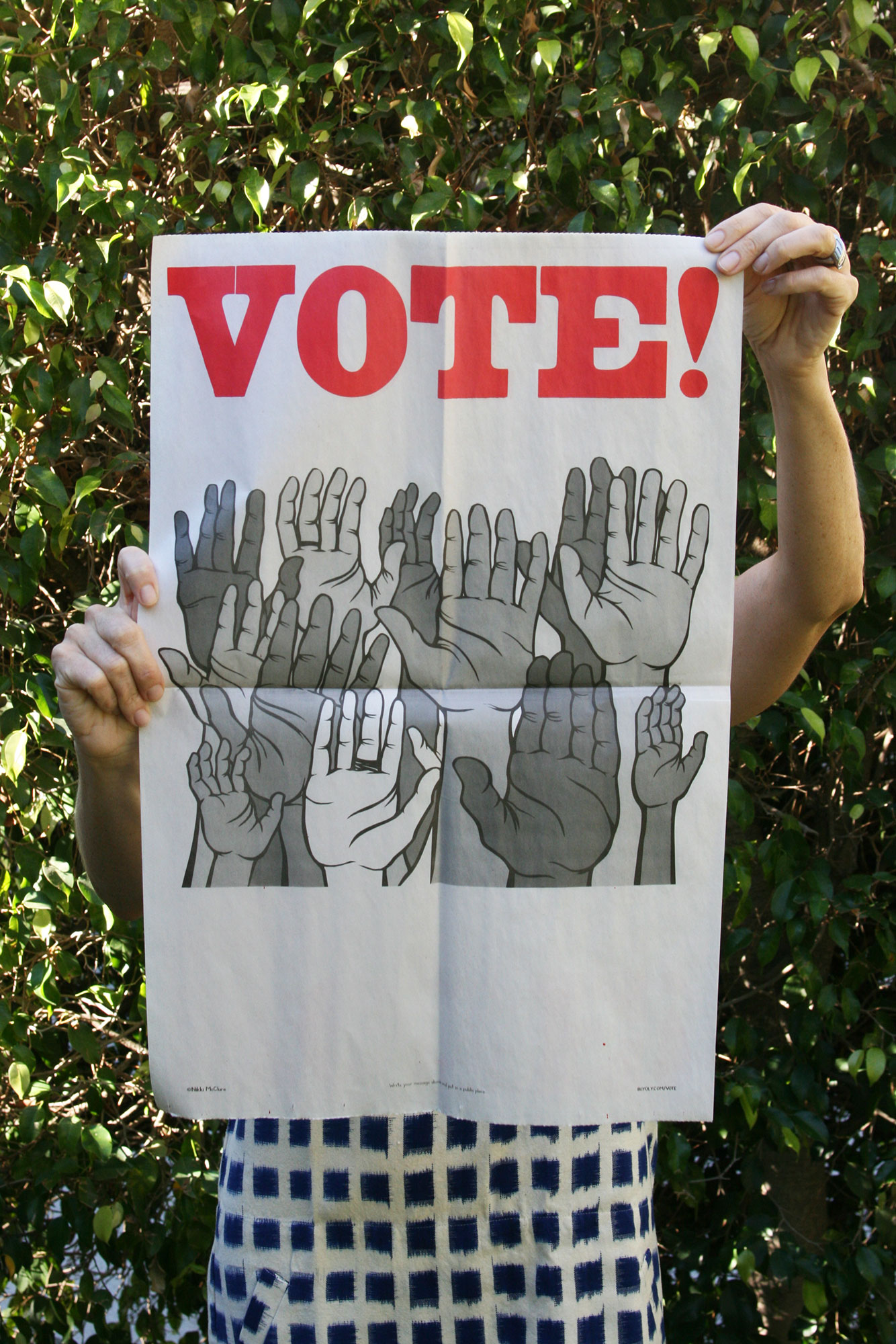
Print by Nikki McClure.

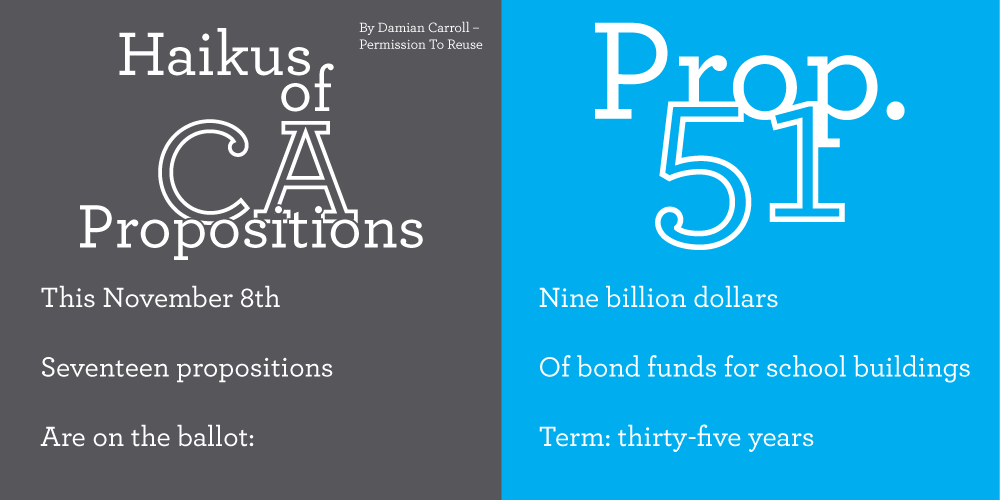
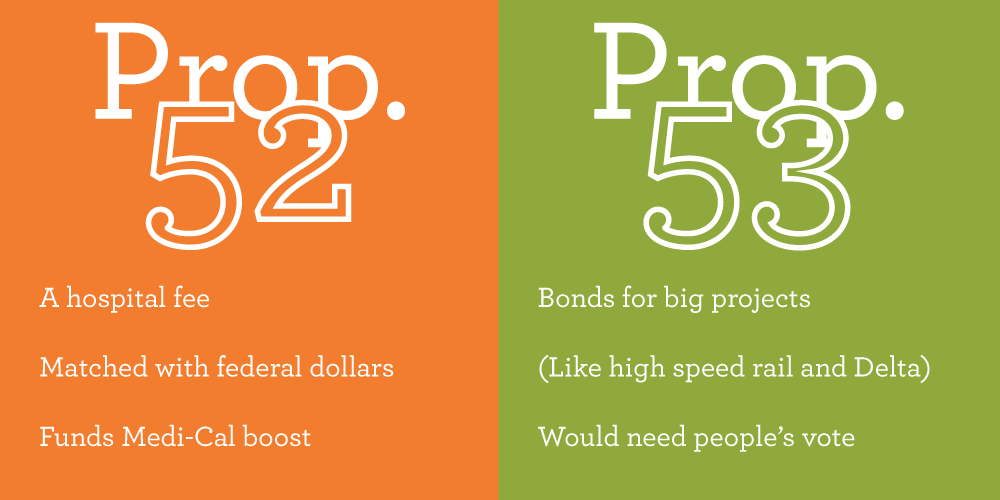
On top of this confounding, bizarre national election season, Californians have a deep, somewhat confusing pool of state and local ballot measures on which to vote this year. We reached out to friends for a little guidance through the murky flood of information, and they answered. Damian Carroll is 1st Vice Chair of the Democratic Party of the San Fernando Valley and a self-described a progressive activist and proposition nerd who helps us all keep a cool head as election day approaches with his proposition haikus, yoga poses, and zen mentality, to which we lent a little graphic rendering.

Is that 224-page voter guide sitting in your mail pile stressing you out? We all want to do our civic duty, but researching and deciding how to vote on this year’s 17 state propositions (and added local ballot measures!) is making us clench up in anticipation.

It doesn’t have to be so. Here are some easy resources and practices you can use to get up-to-speed on the state props without raising your blood pressure.

HAIKU the PROPS
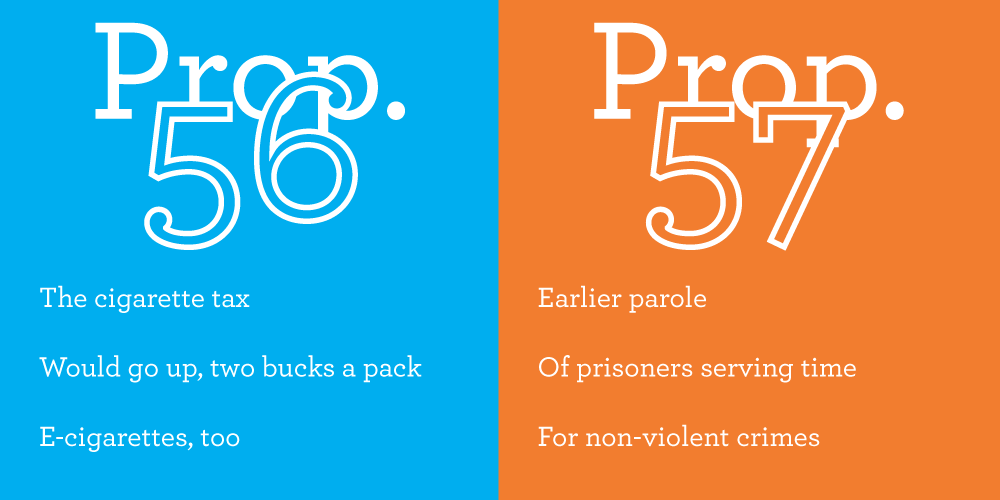
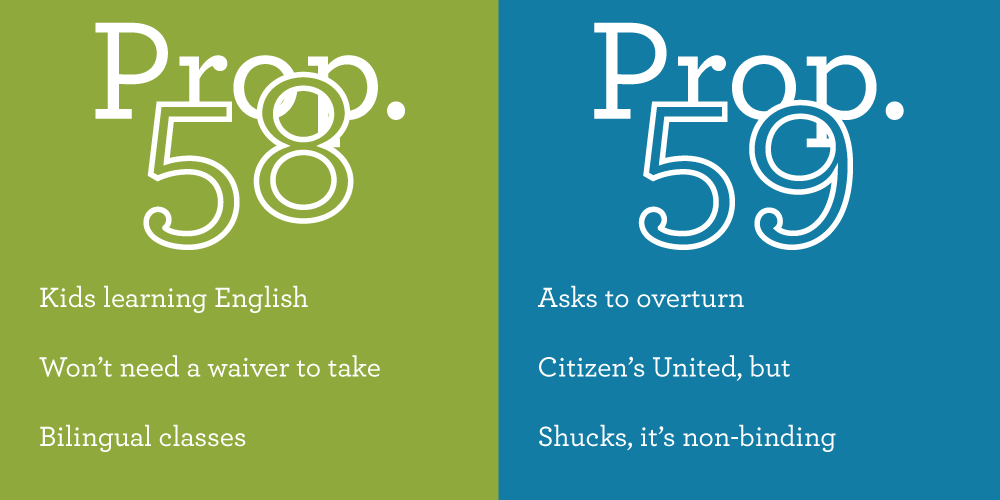
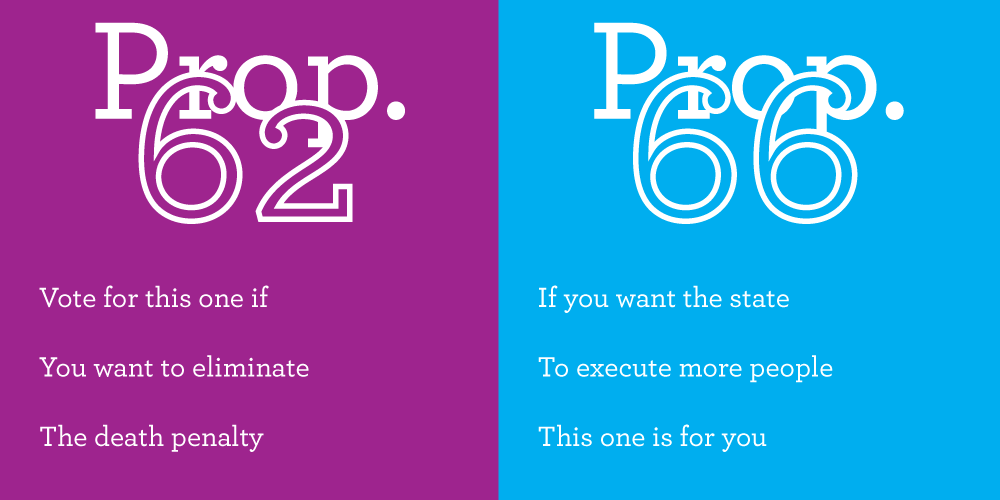
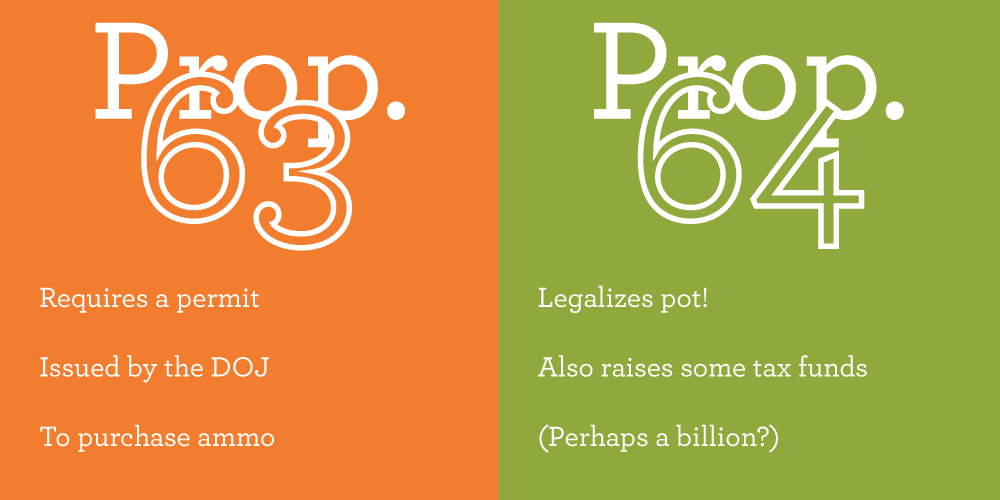
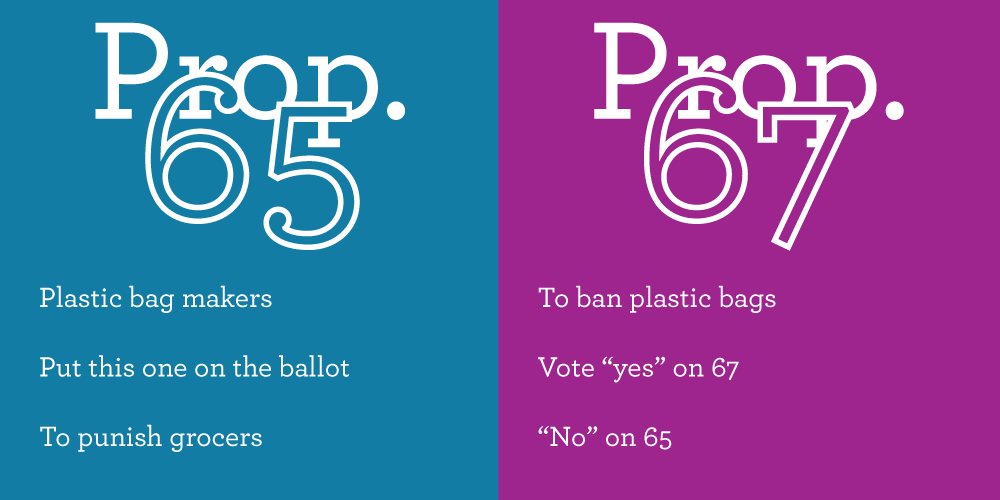
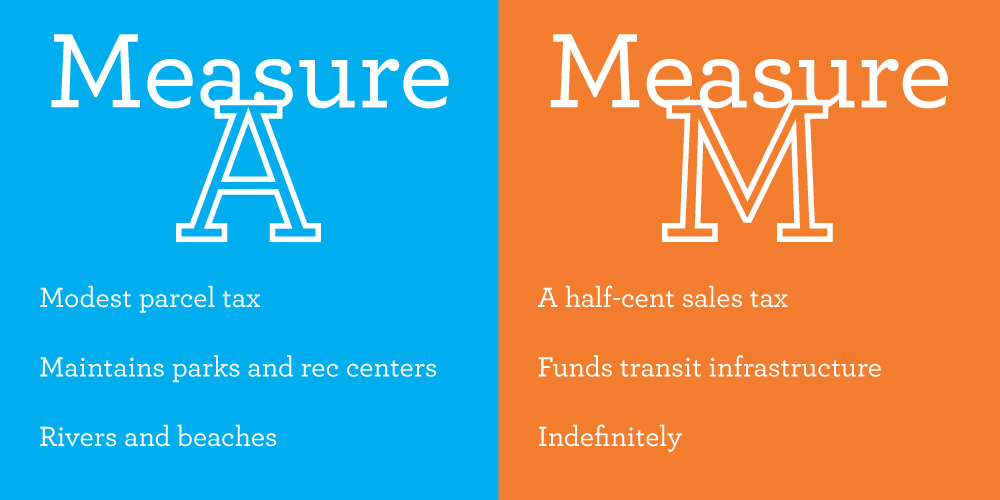
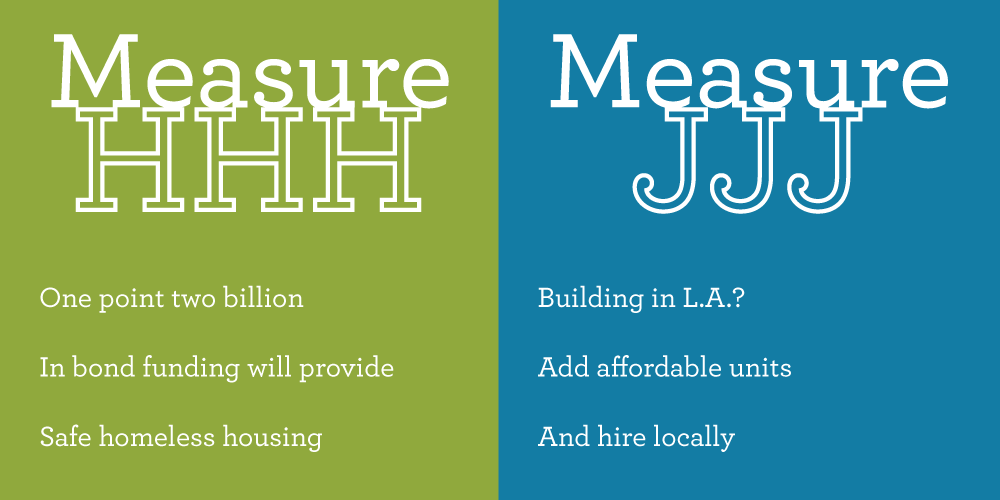
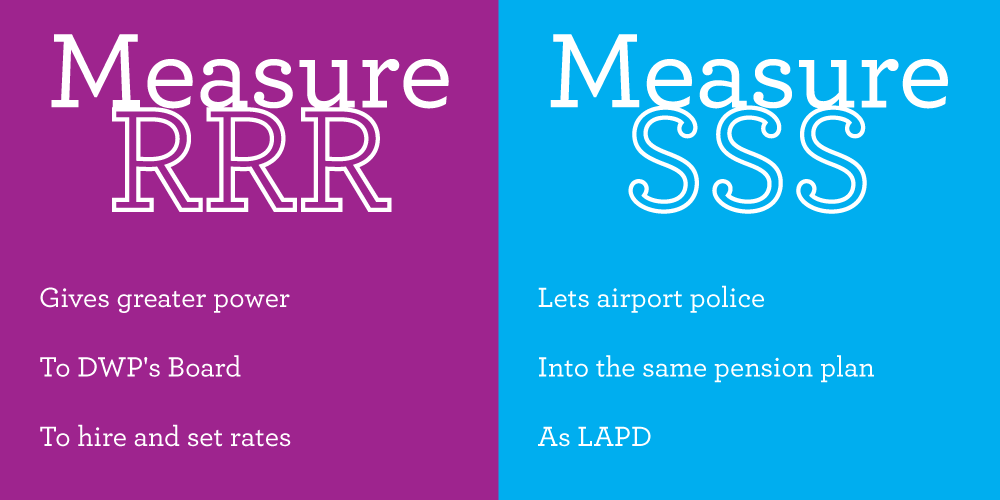
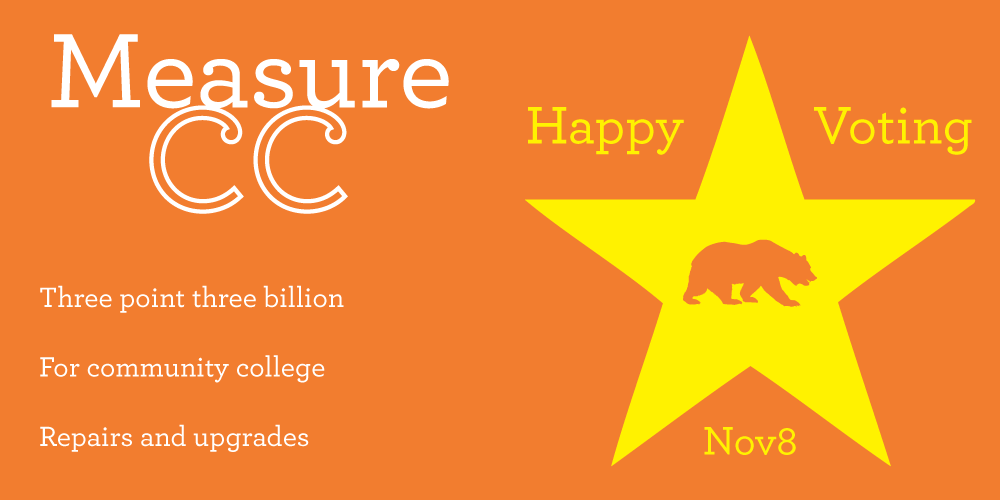
Start by getting acquainted with each of the seventeen propositions, summarized below in just seventeen syllables.

ca-prop-51 ca-prop-52-53 ca-prop-54-55 ca-prop-56-57 ca-prop-58-59 ca-prop-62-66 ca-prop-63-64 ca-prop-65-67 ca-prop-A-M ca-prop-HHH-JJJ ca-prop-RRR-SSS ca-prop-CC

YOGA the PROPS
Got the basics? Great! Now use these classic yoga poses to quickly get up to speed on how to vote, without losing your chi.

downward-facoing-dog-california

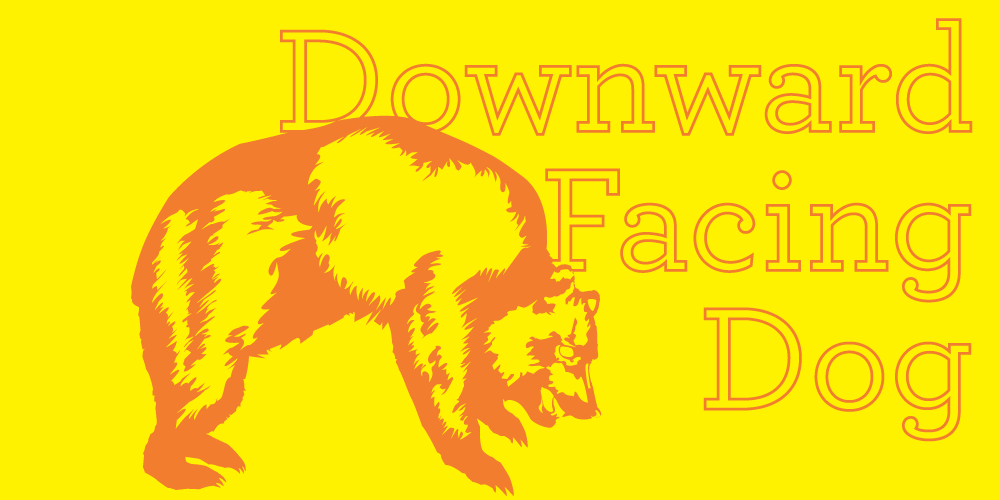
Downward Facing Dog: Stretch out in front of ballotpedia.org and look down, down, down, at the bottom of each proposition page, at the list of supporters and opponents. As you open up your hips and ribs you’ll also open your eyes to how leaders and organizations you trust are voting on the issues.

upward-facing-dog-california

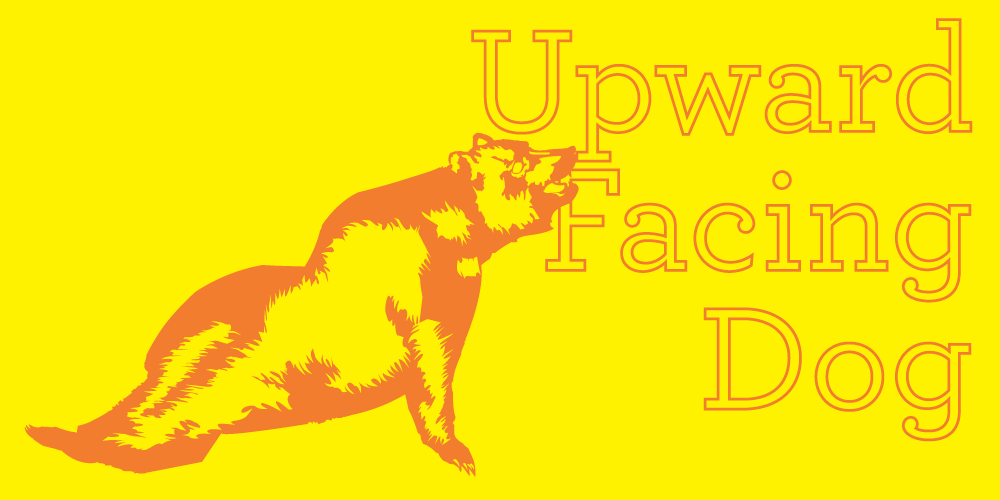
Upward Facing Dog: Gracefully curve your torso upward as you glance at the top of the ballot descriptions for short summaries of what a “yes” or “no” vote means. Some propositions are written confusingly, where a “yes” can mean “no” or vice versa. Particularly on referendums that seek to overturn existing legislation (like this year’s Prop 67), make sure your vote will accomplish what you think it will.

warrior-pose-california

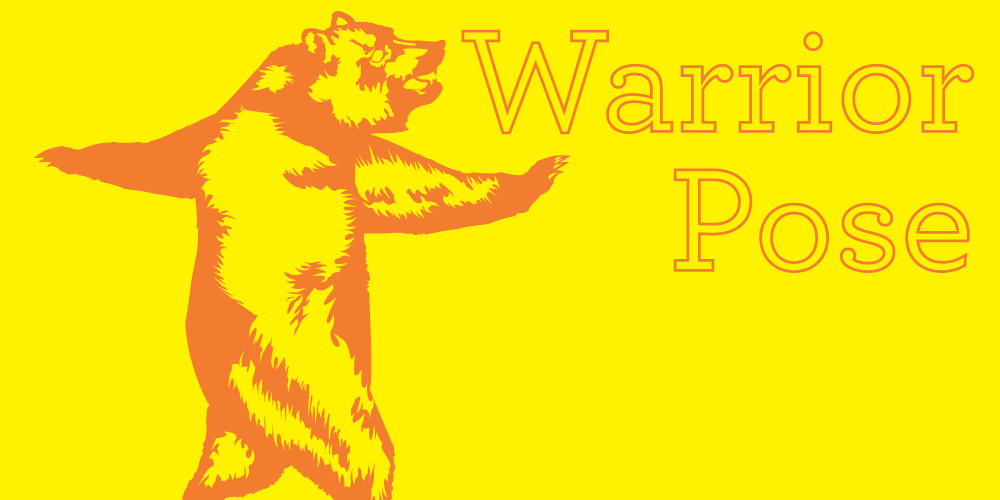
Warrior Pose: Don’t be a pushover! Many propositions are placed on the ballot by special interest groups who want to sidestep the state legislature. If you’re not convinced this issue needs to be addressed through direct democracy, it’s better to stand your ground, vote “no,” and let our elected representatives do their jobs.

mountain-pose-california

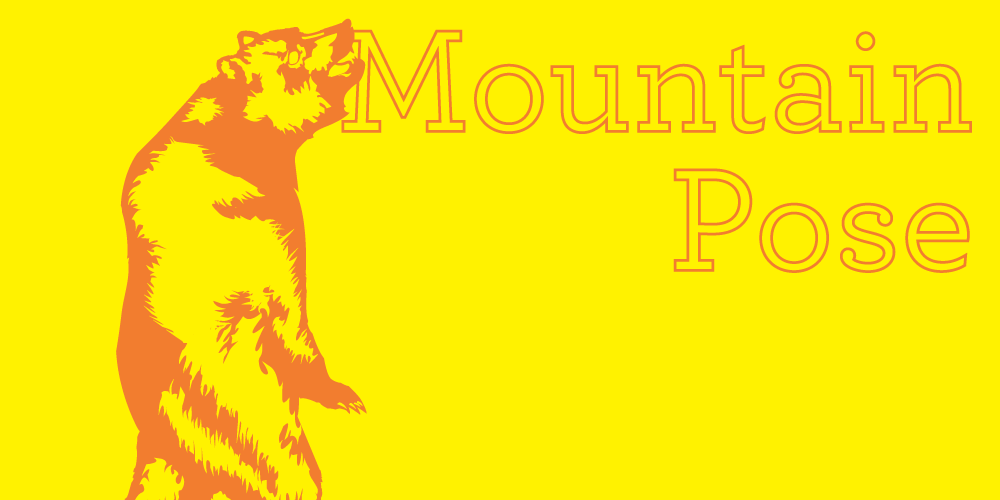
Mountain Pose: Stand tall, breathe easy, and assess the landscape of newspaper editorials around you, from the San Francisco Chronicle to the San Diego Union Tribune. Editorials can often provide crucial context, insider information and background that doesn’t make it into the ballot guide.

bridge-pose-california-bear

Bridge Pose: As your shoulders and feet support your torso, consider what funding sources are supporting each proposition. For example, Prop 65 is largely supported by the plastic bag industry, while the prison guard union is funding Prop 66. Ballotpedia lists the industries and organizations spending their money to influence your vote.

ZEN the PROPS
After you’ve done your research, fix a cup of hot tea, find a comfortable chair, and mark up your sample ballot. You can relax in the knowledge that you don’t have to know every last detail to be a responsible voter. These issues are complicated, and the onus is on backers of each proposition to convince you their approach is the best one. There’s no penalty for voting no, or even leaving an issue blank if you’re unconvinced. Don’t let the complexity of the propositions intimidate you from adding your voice to our democracy. Bubble in your ballot, mail it in (or make a plan to cast it on Election Day), then go get a foot massage. You’ve earned it.

Last year, we were turned onto + wrote up WOMAN PRODUCER—NYC duo The Blow‘s “exploration of women as creators of sonic worlds.”

Now, The Blow’s Khaela Maricich + Melissa Dyne have gone from URL to IRL with a series of WOMAN PRODUCER live events, the last of which is being held tonight at National Sawdust in Brooklyn. Previous events have combined conversation and performance with an impressive lineup of artists and tonight’s event serves as an appropriately star-studded wrap panel conversation on music production with Neko Case, Suzi AnalogueZola Jesus, and Miho Hatori.

As they put it:
“The data on female performers who are the authors of their own sound is often skewed by imagery and information about these artists as characters as opposed to creators. This panel provides a platform for conversation about the process of creating the sonic spaces inside of which artists perform.”

Khaela + Melissa will be moderating the panel and, at the time of writing, tickets are still available online (they plan to have some general admission tickets available at the door as well).

The Blow premiered a new song last week too (below) and MTV just premiered an interview they did with Khaela + Melissa on the WOMAN PRODUCER project that you can also check out below.

We recently reached out to Khaela about the series and she’s assured us that there will be more events to come—in NYC and in other cities—so stay tuned.

Last week, we were driving around Los Angeles with a friend of ours in from New York when, suddenly, on the northbound 110, we all realized we were listening to a song about Donald Trump.

The song—being played on KCRW—was Death Cab for Cutie’s new track “Million Dollar Loan” and it kicked off the new project 30 Songs, 30 Days—”an independent website that will release one song per day from October 10 until Election Day” from “artists for a Trump-free America.” It’s the brainchild of Dave Eggers and McSweey’s + co., the creators of 90 Days, 90 Reasons, “which sought to motivate voters to give President Obama a second term.”

From the 30 Songs site:

SEAN HANNITY is mid-interview with presidential hopeful, DONALD J. TRUMP on FOX News.

SEAN HANNITY: Now Donald, have you heard the new song written about you by the indie rock band, Death Cab For Cutie?

DONALD TRUMP: I haven’t but I hear it’s terrible. Just a terrible, terrible song. Nobody I know has ever heard of these guys because they have no talent. Absolutely no talent. Small potatoes if you ask me. And that band name? What a bunch of losers. Bad!

SH: The singer sounds like a lady but he’s actually a 40 year old man!

DT: Well like I said I haven’t heard it but you know, it’s terrible. Everyone is saying this.

As of writing, 30 Songs is on song number nine and includes new originals from Aimee Mann, Jim James, Thao, Franz Ferdinand‘s “Demagogue” with an accompanying Shepard Fairey print, and—released yesterday—an EL VY song that’s paired with a Richard Walrus video game.

You can listen to a few of our favorites below and keep up with the full list and day-to-day new releases at 30 Songs’ site.

This is a piece we did earlier this year for the return of Satya Magazine.

For many of our years in New York and even more before that, Satya was a monthly magazine that focused on vegetarianism, environmentalism, animal advocacy, and social justice. More holistically, in publisher + co-founder Beth Gould’s words, the magazine endeavored to “spotlight voices working toward a greater understanding of compassion, and ways to discover better how to utilize these lessons in our own lives.”

Nine years after the monthly edition of Satya ceased, Gould + co. published a special, book-length anniversary edition—”The Long View”—which stands as “a reflection on over two decades of activism and where we go from here.” In this studio’s infancy, Beth asked us to contribute a number of times to its pages, which we happily did.

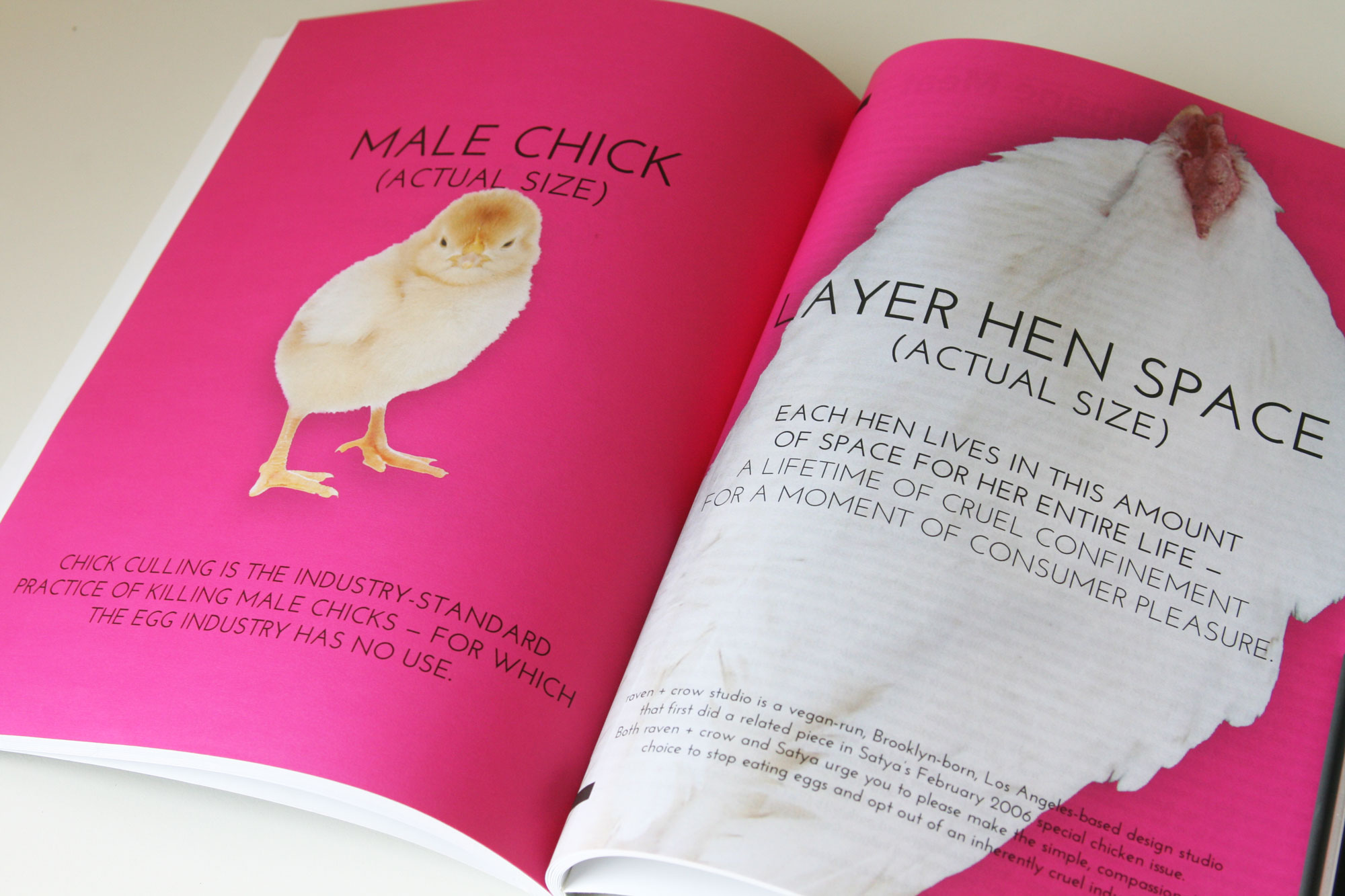
In a February 2006 issue we used full page spreads to communicate (almost) the amount of space egg-layer hens are confined to their entire lives. Beth asked us to reimagine the piece for this anniversary edition, adding to it a fact that often goes unspoken or unnoticed—that, due to the industry standard practice of “culling”—or killing—male chicks, each egg we buy as consumers essentially also means the death of a male chick (assuming roughly 50-50 male-female birth rates with chickens); this on top of the fact that placing a demand on the egg industry causes layer hens a tragically sad, painful, hellish life of confinement.

If you eat eggs, please stop.

And yes, even “cage-free” eggs, which are a far greater boon to marketing and industry profits than they are a benefit to animals’ welfare (see also “humane meat”).

If you’ve got the stomach for it, you can find out more about the industry via PETA or The Humane Society, who also chimes in on the truth behind cage-free eggs, as does this fairly tame Mother Jones article.

Find out more about Satya and order their anniversary issue on their site.

IMG_3460 IMG_3470 IMG_3468

A friend and colleague of ours was recently traveling up the California coast and reached out to us to ask if we knew about “this vegan eco resort” in Northern California.

Woefully, we have not made nearly enough time to explore our new coast—sure, we’ve spent a good bit of time in Sonoma and Big Sur and Joshua Tree, but we have yet to make it down to San Diego in these past three or so years or up to that crazy Danish-looking town or to majestic Yosemite or even up to San Francisco (one of my favorite American cities) since we moved to the West Coast! I know, despicable.

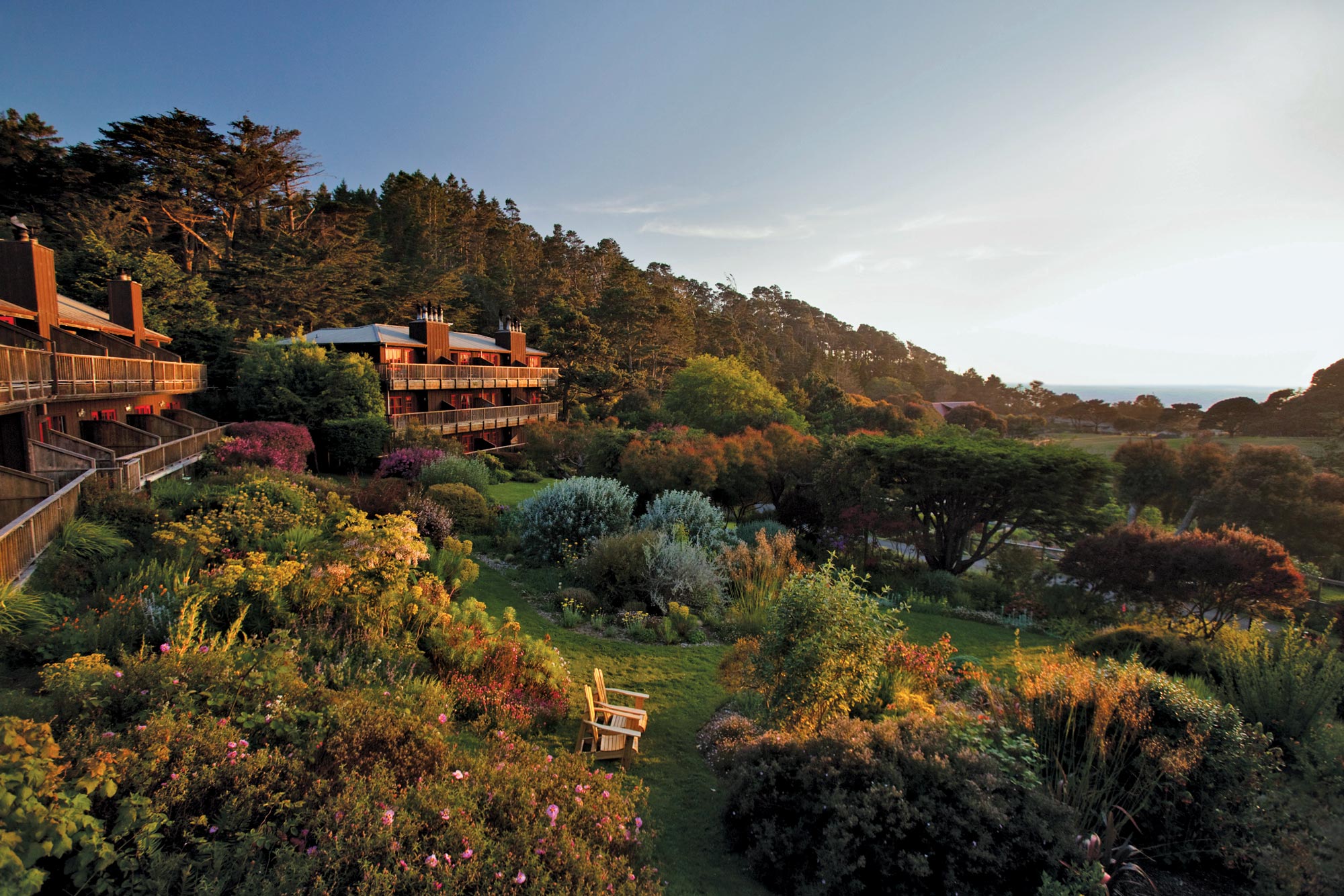
We’re working on remedying that, but, given that neither of us has ever been south of Portland, Oregon or north of San Fran, suffice it to say that we’ve never been to Mendocino, home to Stanford Inn by the Sea, a coastal sustainably run eco resort that includes a canoe + bike shop, wellness center + spa, California certified organic garden, and an all-vegan restaurant. Stanford Inn is run by Joan and Jeff Stanford, a vegan couple dedicated to bringing the magic of Mendocino to all that stay at the Inn.

We have every intention of making what’s sure to be a beautiful journey up the coast to visit the Inn, but, in the meantime, the whole operation piqued our interest so we reached out to Jeff Stanford to find out more about how two people came to run this earth-friendly, animal-friendly establishment for over 25 years. Jeff was kind enough to oblige, giving us the low-down on how he and Joan came to be innkeepers in the first place, farming organically without the use of animal products, their favorite dishes at Ravens Restaurant—their award-winning vegan restaurant, and how the doctor from Murder She Wrote happened upon a mystery of his own.

No, really.

raven + crow: You’ve got a quote on your inn’s home page by J. Hamrick that greets visitors—”In my dreams I walk on fog-enshrouded cliffs through wild flowers dancing in the wind with the sea booming below me, the mist wrapping about my ankles. And longing fills me, settles over me like a soft summer rain. And I know that I must go to Mendocino.” Who’s J. Hamrick and what’s the origin of the quote?

Jeff Stanford: Joan and I had heard Kate and Anna McGarrigle’s rendition of Linda Ronstadt’s “Talk to me of Mendocino” in the mid 70’s and we found ourselves drawn to this then unknown place. Hamrick embodies the feeling of quiet, fog, the special place that Mendocino is.

We found the quote in a book, years ago. We used it in print brochures and then on the internet. I just googled the quote to find information about the writer and, instead, found one of our fellow innkeepers also uses the quote. Wonder where he found it.

I hope to be mysteriously quoted one day. So, we’ve never been north of San Francisco or south of Portland on the west coast—can you give us an idea of what makes Mendocino so special?

You’ll have to come north to find out. Mendocino is an experience. It is personal! The facts of the place are that it is out of the way; the roads to it are beautiful, winding along cliffs bordering the Pacific, through redwood forests, or through wine country valleys and ridges. The roads are gateways, visitors in a sense earn their experience of Mendocino. The town of Mendocino is an archetypal coastal small town that evokes in some the sense of community as it might have been at some long ago time.

I think you two moved to Mendocino in 1980 or so—where from? What your lives before that and what brought about the move/shift?

We came from Carmel. We had moved there during the recession and economic chaos of the 1970’s. I was an academic and Joan a youth worker. We wanted to live on the West Coast. The way to do it was to help run a small inn.

Where does that fundamental interest in and reverence for the land and environment come from for the two of you?

From meditation—the recognition that “land and environment” are not different than us; they define us as much as we define, describe, enhance or harm them.

And where did the desire to open an inn come from then? Or was it more wrapped up in the land and the working of it?

We didn’t open an inn. We purchased an operating motel. We did this mostly with borrowed money for the down payment and we were able to do so because a number of people believed in us. We knew how to operate and enhance the motel, converting it to an inn. The desire was simply to live, work, raise our family, explore life in one place, grow within a community much of which we had to create for ourselves. Best part of this place, then called Big River Lodge, aside from the energy here, was that there were no owner’s quarters—we didn’t have to pay for them—and we moved into a unit. We eventually took over a second room, added on a small reception area, and operated that way for eight years. We did not have to pay rent—only lost the deprecation on the part we lived in.

Was everything pretty much in the state it’s in today when you took the property over or did the two of you end up putting a lot of work into it?

The lamps were bolted to the night stands, the nightstands bolted to the walls. There were sliding aluminum and glass doors and windows, and shag carpeting. There was one deck everyone shared, providing access to the rooms and a view into them—not private. We began making changes: First, we unbolted lamps and furniture to show that we trusted our guests (and also to provide more room on bedside tables). Second, we removed baseboard heating and replaced with fan-forced resistance heating, dropping our utility bill. Third, borrowed more money and ordered furniture. We received a $20,000 loan from good friends as a “kicker” and they helped us contract for furniture. Fourth, began putting in wood burning fireplaces, seeded the pasture on which the motel had been built and began general landscaping.

Wow. Were the gardens, restaurant, spa, or canoe/bike shop already part of the land or did you develop those over time too?

None were here. Catch A Canoe had been started in 1972 and was no longer operating when we purchased it in 1983 with help from the realtors who loaned us the down payment. It was a necessary purchase to protect the inn from the potential shopping center that zoning allowed. The property which is a part of Catch A Canoe is in front of the Inn.

As mentioned above, we began landscaping when we bought the inn. First we purchased fuchsias which we hang from eves of the building, and then planted flowers, trees, and bushes as we could afford them.

In 1986-88 we brought in different bike lines and changed the name of Catch A Canoe to Catch A Canoe & Bicycles, too! which we adapted from “Tippecanoe and Tyler, too!”

In 1985 we expanded our “landscaping” into areas that we had no money to improve and began organic farming. Originally a friend and I dug five beds and began truck farming, but it soon grew to many more beds. We were guided by the work of Ecology Action and John Jeavons, not knowing that they had relocated from Palo Alto to Willits, an hour away from the Inn. We now partner with John to promoted small scale farming as a response to climate change.

How did all of that work affect how you all thought about the land and the whole venture?

There’s a strong spiritual component to our lives here. We found ourselves living within it. It was here before we were and rather than fight it—I don’t think we could—we try to understand its movement and its movements toward us. It was not until trees fell that we expanded. They came down not during a storm, but unexpectedly on two sides of the property and I suppose others might have taken the falling as just random; having not experienced this before, we took it as having meaning. When Joan wanted a better view for the rooms, literally trees fell down creating the view. This was 35 years ago and she still refers to this as an important awakening for her—the interrelationship and lack of fine distinctions between us and our environment.

I’ve personally moved around a lot in my life, but I could see having spent so long in one place—especially a place as special as this seems—being formative and impressive. It seems like you have a lot of staff that’s been at the inn for a pretty long time too; many of your employees are full-time as well, I think—is all that purposeful or key to the idea you have for the business, providing a larger, long-lasting relationship with your staff?

It is purposeful. It is based on how we would like to live and be treated if we worked for someone. Plus, the energy here is life-affirming. It is amazing and although many may not be aware of it, they work here because of that intangible.

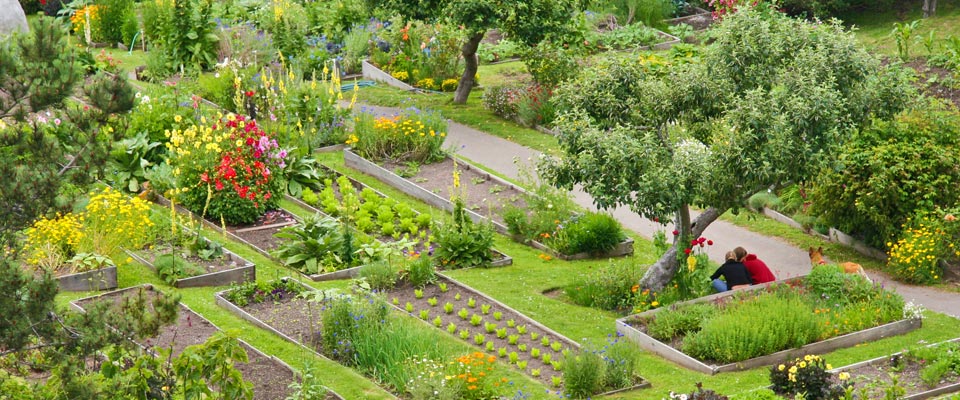
I know you use some pretty specific methods in your garden beyond just run-of-the-mill organic gardening—can you talk about those a little bit?

We use the techniques developed primarily by Jeavons and his somewhat philosophical predecessor, Alan Chadwick. We also use our own approaches based on the micro-climate here.
stanford-organic-gardens

I was talking with a friend recently with regards to veganism as it impacts organic farming and vice versa. His point was, if, in ideal world, someone championed a lifestyle of no animal use whatsoever, organic farming wouldn’t be an option and you’d need to rely instead on chemicals to fertilize the plants one grows for food. I just wonder if that’s something you all have ever tackled in terms of the philosophy of running an enterprise that’s both very vegan-minded and very organic-minded.

They are wrong and the science is there to establish that. We have been vegan farming for years. We don’t use animal products—none of those allowed in organic process. The idea is to create a growing soil, one replete with the “soil bacteria” that humans evolved with. Animal product used as fertilizer can kill the bacterial. We compost and the best way is to form layers of plant materials above fallow beds. Sometimes there are weeds, but it all decomposes to create healthy soil.

Steiner’s method is based around cows—Biodynamics. We use use a process developed by Alan Chadwick and refined by John Jeavons and his Ecology Action combining French Intensive and non-animal biodynamics in regard to timing, planting techniques, and so on. Check out Jeavon’s How to Grow More Vegetables, Eighth Edition: (and Fruits, Nuts, Berries, Grains, and Other Crops) Than You Ever Thought Possible on Less Land Than You Can Imagine.

In the future a “sustainable movement” will have to measure true organic production by the bacteria and other microorganisms present in the soils in which crops are grown. Need a soils scientist for this, but organic growers would be rated on the basis of the health of their soil. Most people do not recognize that soil should be the emphasis. All micronutrients, all the components of the plant are manifested through the action of bacteria, funguses, and viruses that make them available for plant uptake. See for example, Mycelium Running: How Mushrooms Can Help Save the World by Paul Stamets.

A bit more on biodynamics—there are people in Britain that are working to create vegan ‘potions’ to address the cow-part potions used by followers of biodynamics to realign or align energies. Making potions is about bringing awareness to perceived distresses in the garden and the potions focus intent to realign garden energies. The process is about awareness and intent to heal the garden and this is all energy. Energy is motion and movement and doesn’t need to be mediated by cow or plant parts. This is one of the great realizations achieved in full-on awareness, choiceless, sensitive, and acute observation. What I am writing is that what’s important is awareness of the garden, it’s energies, its movements or lack of movement—impediments. The solution is in the awareness of the garden and our intent to align with its energies. Everything else is simply ritual—a method of bringing attention and intention into the garden.

That’s a lot to take in, but thanks for clearing that up. It’s something that’s bugged me since I heard it as it didn’t add up in my head, but, lacking the background in farming (despite my surname), I couldn’t really make sense of the reality of the situation. I read that your garden provides produce to your restaurant and others in the area then?

It did. We now use most all of it and the rest goes to staff.

Your gardens aren’t the sole source of ingredients in your restaurant though are they?

No. We estimate about 20% of produce, not including citrus.

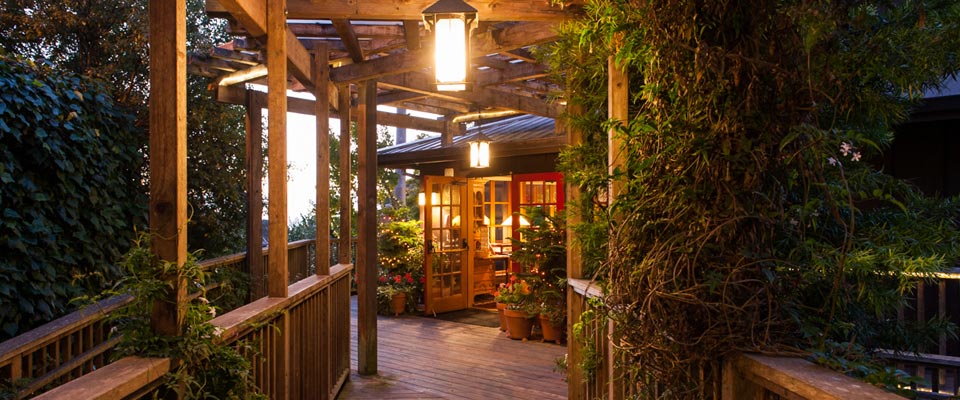
Why was it important for you to create a vegan dining experience for guests with Ravens Restaurant?

We are vegan. Selling anything other would disconnect us from ourselves; cognitive dissonance. We don’t want to live with that—plant-based or no restaurant.
ravens-restaurant-2

Did you get any pushback from either the community or friends with that move? I know a lot of environmentally minded people who don’t necessarily see a strong connection between the ecological sustainability and veganism.

Yes. First we were vegetarian. We didn’t know about what happens in dairies and certainly knew nothing of hatcheries. When we learned, we became “vegan” or as we rather put it, “plant-based and thoughtful/scientific.” What that means is that some products (non-animal) are better than plants. Example—the production of cotton, organic included, wrecks havoc on the environment. Using a petroleum recyclable material such as microfiber is more environmentally friendly. Some people don’t like using non-plant fibers. Hemp may someday replace cotton—thus far it hasn’t been widely used.

And with regard to to those “who don’t necessarily see a strong connection between ecological sustainability and veganism,” they are missing the point. First, science fully establishes that the most ecological action a person can take is to adopt a whole food, minimally processed plant-based diet. Second, the disconnect between claiming to be sustainable and continuing to eat animal products is simply damaging to one’s psyche as he or she twists together rationale to support eating animals. That twisting impairs growth. It ties up energy.

Agreed, agreed, and agreed. Back to the restaurant, does the menu there change a lot based on seasons or over time from year to year?

The menu changes in subtle ways as availability of ingredients change. Larger changes are usually thematic: Last year we had theme of haute Mexican. Now we have a theme of a widely varying ethnic fusion menu. We offer special menus for Christmas, New Year’s Eve, Thanksgiving, Valentine’s Day, mushroom season and crab season (like crabless cakes).

I have no idea when crab season is, but I’m going to look that up and start planning travel around it. And you’ve got a cookbook now too, right? Was that fun to put together?

Work. The recipes are from nearly 20 years and had to be tested and photographed. We use a co-creative model to develop the menu and recipes. Everyone can contribute to recipe development—prep cooks, line cooks, serving staff. Final decisions are made by me who serves in the role of executive chef. We now have a position which is “chef instructor and creative chef” whose primary job is to teach cooking classes and work with SidGarza-Hillman (our kitchen director and nutritionist) and me to refine recipes. Many of the ideas come from experimenting in Canada where Joan and I are free to play around when we are on vacation.

No, we have many friends who’ve written cookbooks and I certainly don’t envy them the time and work that went into them. How long have you two been vegan and what brought you to making that life choice?

I injured myself in early 1985. During the prior 4 years, Joan and I had been working long days, 7 days a week. Our two children were born at the Inn and we were trying to make the Inn into a true destination. We didn’t stop. I did not take vacations. Cracking my hip, I had to slow down. I reflected on chicken and ethics and became vegetarian. I “realized” that I would not kill a chicken to eat it and that I was wrong to ask someone else to do it for me. It was that simple. My family quickly followed. None of us had any idea about the practices within hatcheries and dairies and almost 20 years later, the Humane Society of the United States (if I remember correctly) designated the Clover Stornetta Organic Dairy as the most humane in the US. I knew owners of the dairy. Their children went to school with ours. I read their website which I found damning and became vegan. That was 12 years ago—the end of 2004. At the time the restaurant was ova-lacto vegetarian, as it had always been.

By 2007 we had converted dinner service to vegan and all morning recipes to vegan as well. We still provided eggs and dairy on request.

We didn’t like the slowness of the change. There were reasons we went slow, however the reasons did nothing to assuage our cognitive dissonance. We had to move a large staff and guests away from casomorphins and eggs without further damaging our ability to pay our mortgages. I don’t believe there were any full service hotels that were vegetarian when we opened the restaurant in 1996-97. Former guests actually yelled at us then for making the change. Breakfast was always vegetarian and we hadn’t served dinner until then. In 2007, we were still recovering from the dot-com crash. The principle source of our guests—the San Francisco Bay Area—was undergoing a huge real estate bubble and many of our guests no longer traveled to us. They stayed home to pay for increasingly expensive mortgages and rents. Adjusted occupancy went from nearly 80% to the mid 40’s.

In 2012 we quit providing dairy and egg options. We still suffer the harpoons thrown by those who don’t want to be reminded of the choices they might better make. Literally, not having eggs or half-and-half sticks in some of their craws.

I can only imagine. Hopefully the longer you’ve done it, the more accepted it’s become and the more you attract a specific set of visitors (like us) who are willing to travel further because of the changes you’ve made though. So what’s your all’s favorite menu item?

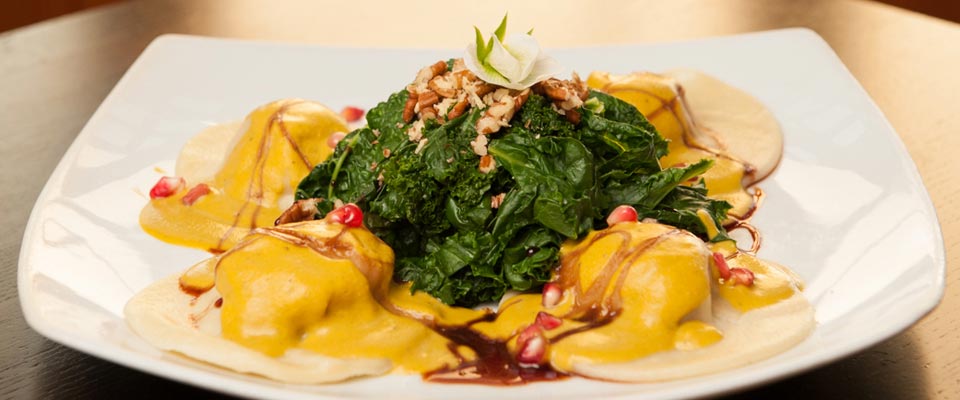
Joan’s favorite is our ravioli. Mine is potato salad. We have sea palm strudel, a wonderful barbecued portobello, paella (which I learned to make in Spain), and others. But it is potato salad. We don’t serve it all year, but when we do, I enjoy it. The dressing recipe was created alongside Lake Winnipeg in the tiny community of Matlock in Joan’s cottage.
ravens-restaurant-1

Well I hope to be able to try it myself. And—obviously we have to ask this—where does the name for the restaurant come from?

On May 31, 1995, 5 months before we broke ground to build the restaurant and additional rooms, a pair of ravens showed up perched on top of a dying Grand Fir, behind our main greenhouse, which encloses the pool. Nearly 2 months earlier, we were visiting my Dad and stepmom in Carmel, when my Dad told Joan that he felt a special affinity to crows (we didn’t know the difference between them and ravens then). He said, when he died, he would return as a raven, pointing to an opportunistic raven on the pavement in New Monterey. He died in May and two weeks later the raven pair appeared in Mendocino. We had been here for 15 years and had never seen ravens here. There are now hundreds that often soar above the gardens and land in fruit trees to knock down pears and apples.

Well, that’s lovely. Do you have any other favorite vegan or vegetarian restaurant around the US?

We don’t travel often except to Washington DC and to Manitoba, Canada. We have found a few vegan restaurants that are just fun, such as peacefood cafe in NYC—their fluffy quinoa salad and chocolate cookie—and Hangawi in NYC—their appetizers are creative and unique. Our daughter recommends Vedge in Philadelphia—we haven’t made it yet. Boon Burger in Winnipeg, Manitoba Canada offers a variety of different vegetable-based burgers. Sanctuary Bistro in Berkeley, California.

Joan and I prefer to eat at restaurants where we can learn something, but we avoid stressing staff. This means we check out fine dining restaurants when we travel and, if they have even interesting side dishes, we will eat at them.

Ah, Hangawi’s one of our favorites in New York. And I haven’t been to peacefoods in years, but I have fond memories of it. I know you all allow pets at the Inn and have had some interesting ones (Vietnamese pot belly pigs‽)—are you two big animal people (besides the whole vegan thing)?

We have two horses—a pinto and bay quarter horse—that were “rescued” in the sense that they had to be moved from land that could not support them, literally—the horses broke down the soil causing it to go into a protected waterway.

We have two rescued miniature donkeys. Seems that people like to buy them as pets, find them like a dog, and then hand them over to a donkey sanctuary which then tries to find homes for them.

Three male llamas live on the land with us, still cared for by the breeder who bred them, but living here. Four cats and two dogs and 4 geese round out animals that live (sort of) with us.

That’s a veritable ark. Any interesting pets in the Inn stories you can share?

Guests booked for Christmas three years ago. Just before the holiday they called again and asked if they could bring two pet geese, Snowflake and Cupcake. We said, “Yes.” They then asked if they could leave them in our pond because they were going to be traveling beyond Mendocino and past the holidays. We said, “Of course.” Snowflake, an Embden goose, is still with us. Cupcake, a Toulouse goose was killed by a fox. To provide Snowflake with company, we adopted three younger geese, one Toulouse and two Embden. Now we don’t know which is which Embden. We haven’t had geese for many years with the exception Cupcake and Snowflake. Geese serve as excellent alarms at night. By the way, we have arranged our fencing so that the geese can get to water if a predator gets into the area, which is always possible. Cupcake was only 20′ from water, just enough distance that the fox got her.

Other potential predators reported along the coast include raccoons, skunks, opossums, bobcats, and cougars. The larger cats don’t like that we have many dogs and dog smells. Our pet policy has protected our donkeys, horses, and llamas, as well as our pets—cats and dogs.

It’ll never cease to amaze me how wild the West Coast is as compared to back east in so many ways. How about in general—you two have run the Stanford Inn for over twenty years? What’s the craziest thing that’s ever happened under your watch?

Seems to me that most of what has happened that’s crazy shouldn’t be repeated. At least those are the ones I am remembering.

I want to note that we have been here going on 37 years. One story that’s not crazy and describes the nature of some guests’ experience was 20 years ago. A well known public relations executive stayed with us with his ten year old son. Here, he experienced an epiphany. He wrote us to tell us about it and suggested that we tell people that the Inn is a place of amazement and growth. I replied that we were aware of the changes that occur for some, but noted that the experiences behind them should not be expected—not anticipated. He tacitly agreed that raising expectations might not be a great idea.

The most unusual story but not so crazy that Joan could remember concerns an actor in a detective television series who was in Mendocino taping. He came to the Inn’s Catch A Canoe and wanted to rent a solo canoe. We always warn a solo paddler that the conditions on Big River can change and that it is a great idea to have someone along to help paddle. He assured us that he was an experienced outdoors man. He went out, alone. He had been told that we close at 5:00. At 5:30, the time staff actually leave, I became worried. It was summer. The sun would not set until between 8:30 and 9:00 and I decided to give him until 7:00 to return. At 7:00 I went to the dock to launch a boat to go looking for him. I didn’t have to. He pulled up in his canoe and laid out clothing on the dock deck.

I went down to the dock. He and I went trough the “treasure.” Shorts and underwear and t-shirts for a man and woman, two pairs of shoes (if I remember correctly), and an envelope with a small amount of change. On one of the t-shirts was brown stain that could have been blood. He had found all this in a paper bag that was hanging from a branch of a tree whose trunk was embedded in the bottom of the river. We called the sheriff who took a report and took away the clothing and money. The actor was William Windom who played Doctor Seth Hazlitt on Murder She Wrote.

Oh, and the prosecutor from To Kill a Mockingbird! Wait, Jeff, is that the end of the story‽ Was foul play afoot? That’s a bit of a cliff hanger there!

And so it remains a cliffhanger. This is what I think happened—a couple was out camping and hiking along the river and had brought along lunch. Because no one reported seeing or hearing about naked people, they were probably camping on higher ground nearby. This is a very rural area. They were eating and lounging on the river beach and decided to swim, and placed their gear in the bag where their lunch had resided. They swam as the tide brought up the water level and launched the bag, which they were then unable to find. The bag became hooked on a skag and was found by our canoeist perhaps even a day later.

OR Doctor Seth Hazlitt didn’t see them skinny dipping nearby and inadvertently punked them! That’s so Doctor Seth Hazlitt.

Wait, I almost forgot to ask—what’s the story behind the logo for the inn?

It is a stylized fuchsia. The first plants we bought for the inn were fuchsias. An artist rendered them and they became our logo. When we redid our website 10 years ago, we adopted a more stylized single fuchsia.

I see it now! Well, thanks so much for taking the time to talk to us. Hopefully we’ll see you all soon!

Visit the Stanford Inn’s site to find out more, see photos, watch videos, and book your visit.

Video by Rystar Productions; photo of Jeff + Joan courtesy of Gathering Green; all other photos, Stanford Inn.
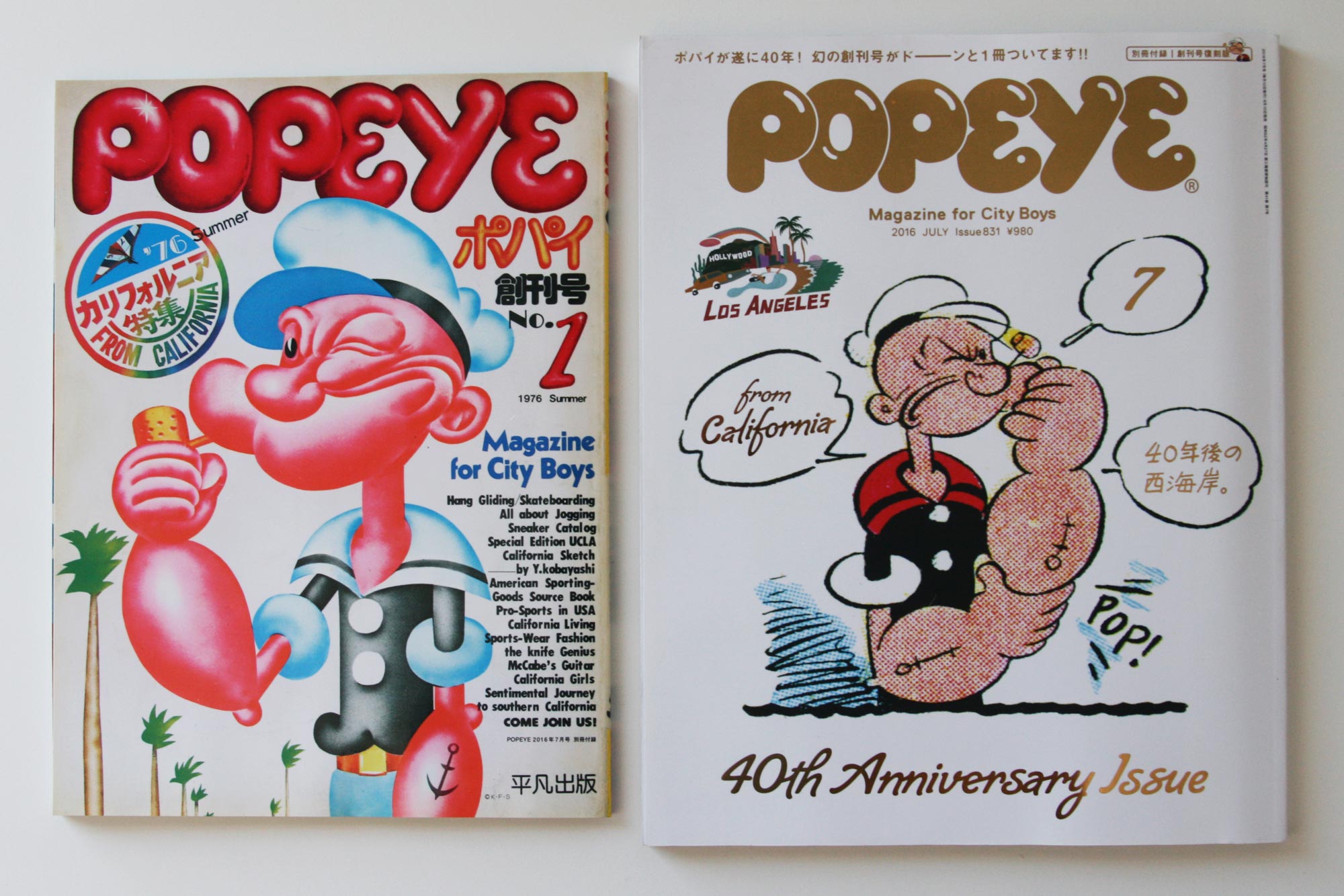
Last week, listening to one of favorite radio shows—KRCW‘s Press Play with Madeline Brand—we heard a piece on a Japanese men’s magazine named Popeye that was celebrating its 40th anniversary. The magazine’s debut issue hit the shelves in Japan in 1976 and it focused nearly all of its pages on California, most specifically Los Angeles.

As reporter Julie Makinen points out in her Press Play spot and her Los Angeles Times piece, Japan in the mid-70s was a far different place than it is now. Far from a trend-setting, hi-tech mecca, the country was still going through struggles and growing pains of all kinds; to most, Los Angeles looked from afar like a blissed-out, care-free paradise full of inexplicable-yet-fascinating cultural trends. As the Popeye‘s original editor—now 86-year-old Yoshihisa Kinameri—told Makinen, “In Los Angeles, people looked happy and cheerful. It was magical; it was like heaven.”

Kinameri sent four of his staffers to southern California to capture that magic and bring it back to Japan and, as Makinen points out, the now re-issued inaugural issue reads like a time capsule that evokes either a wistful nostalgia or kitsch depending on when you were born.

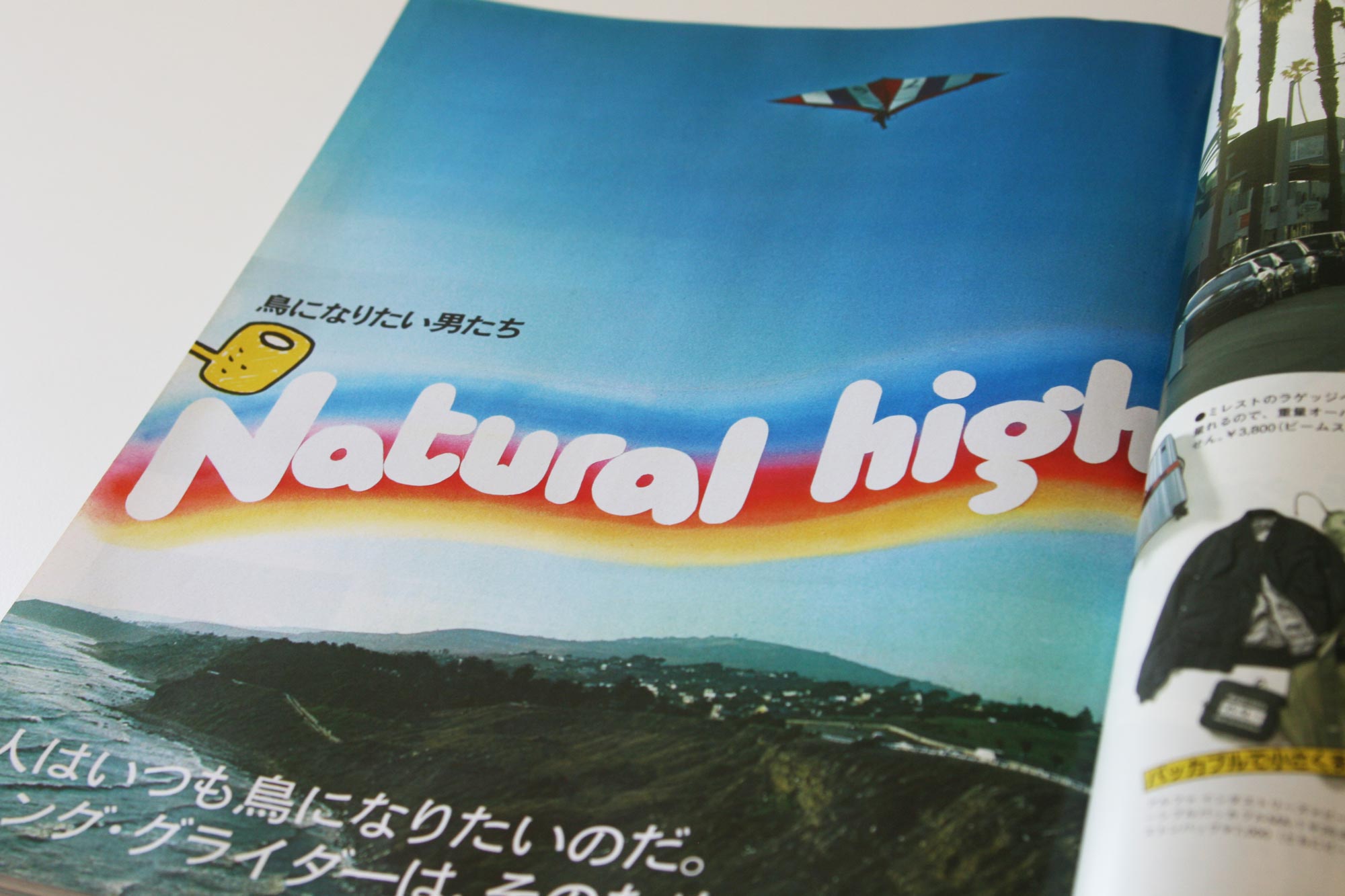
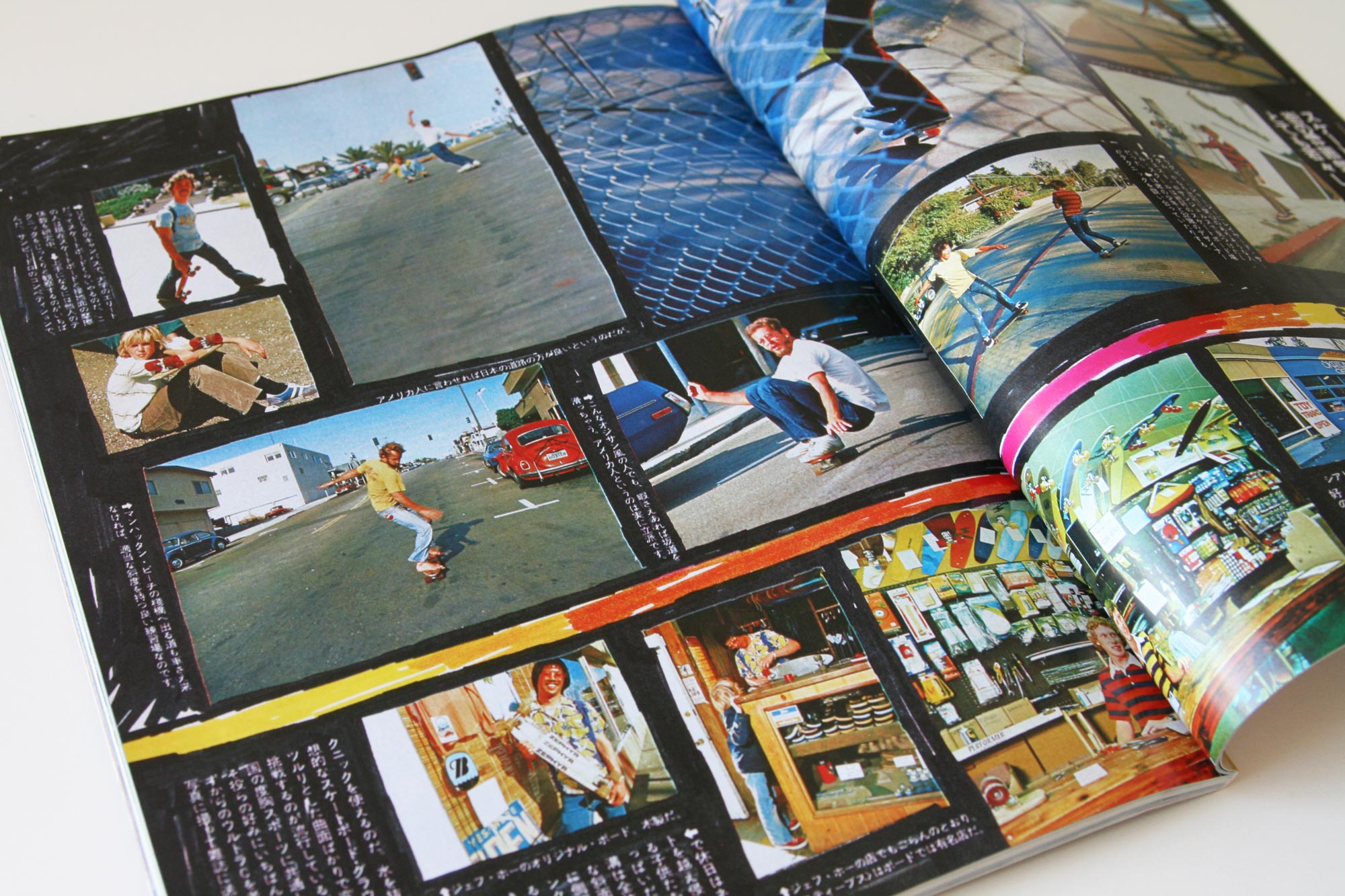
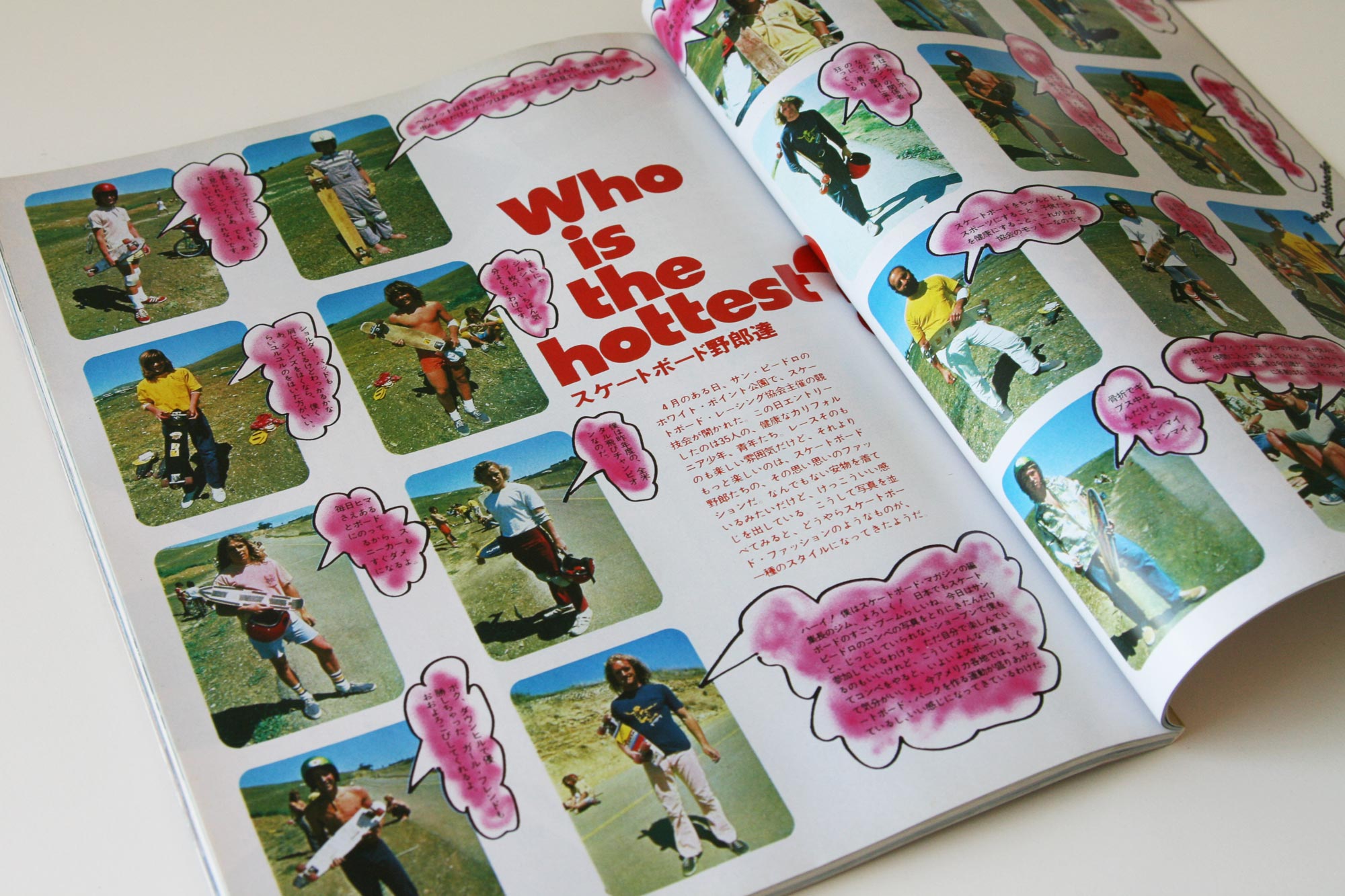
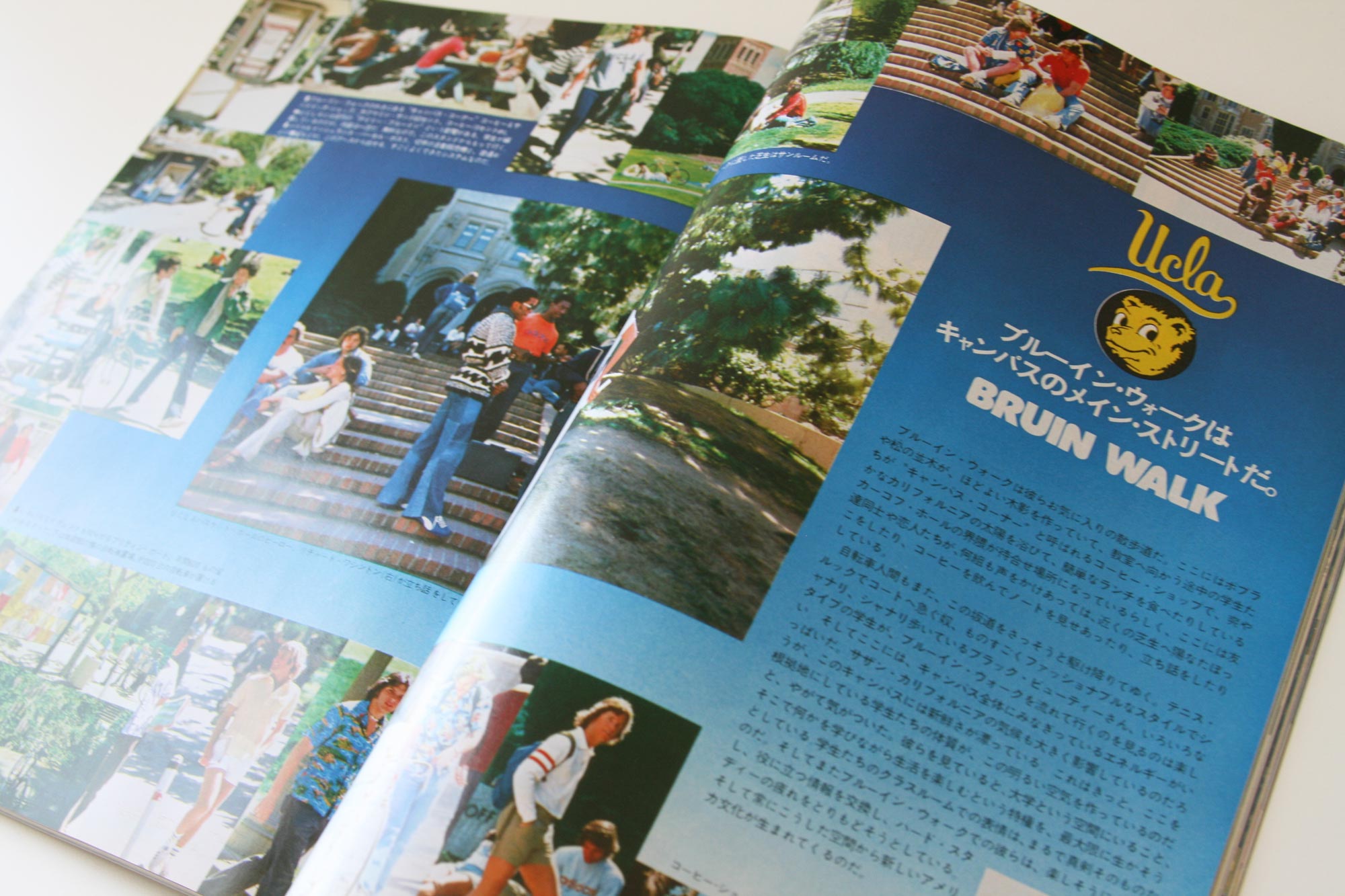
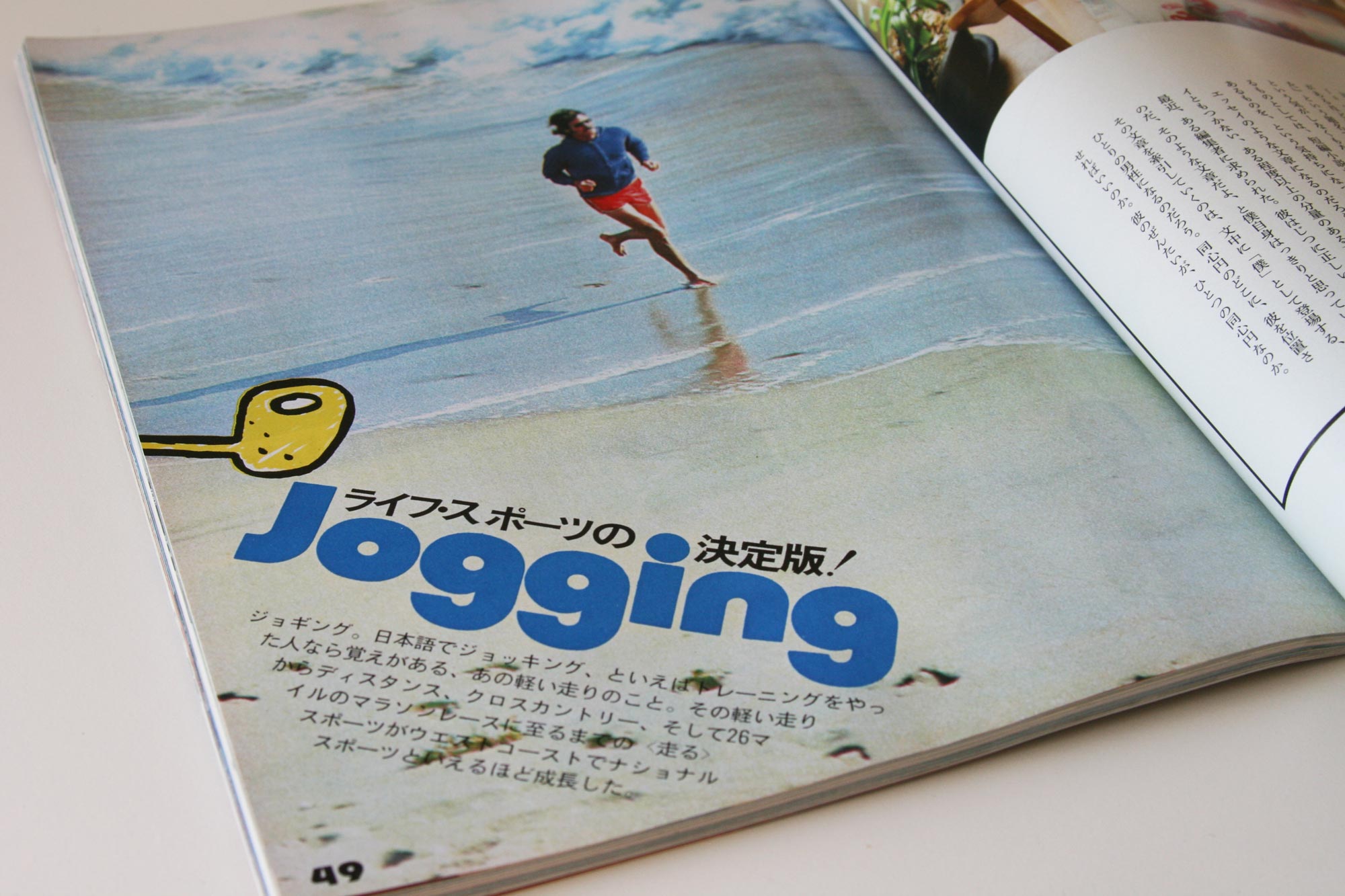
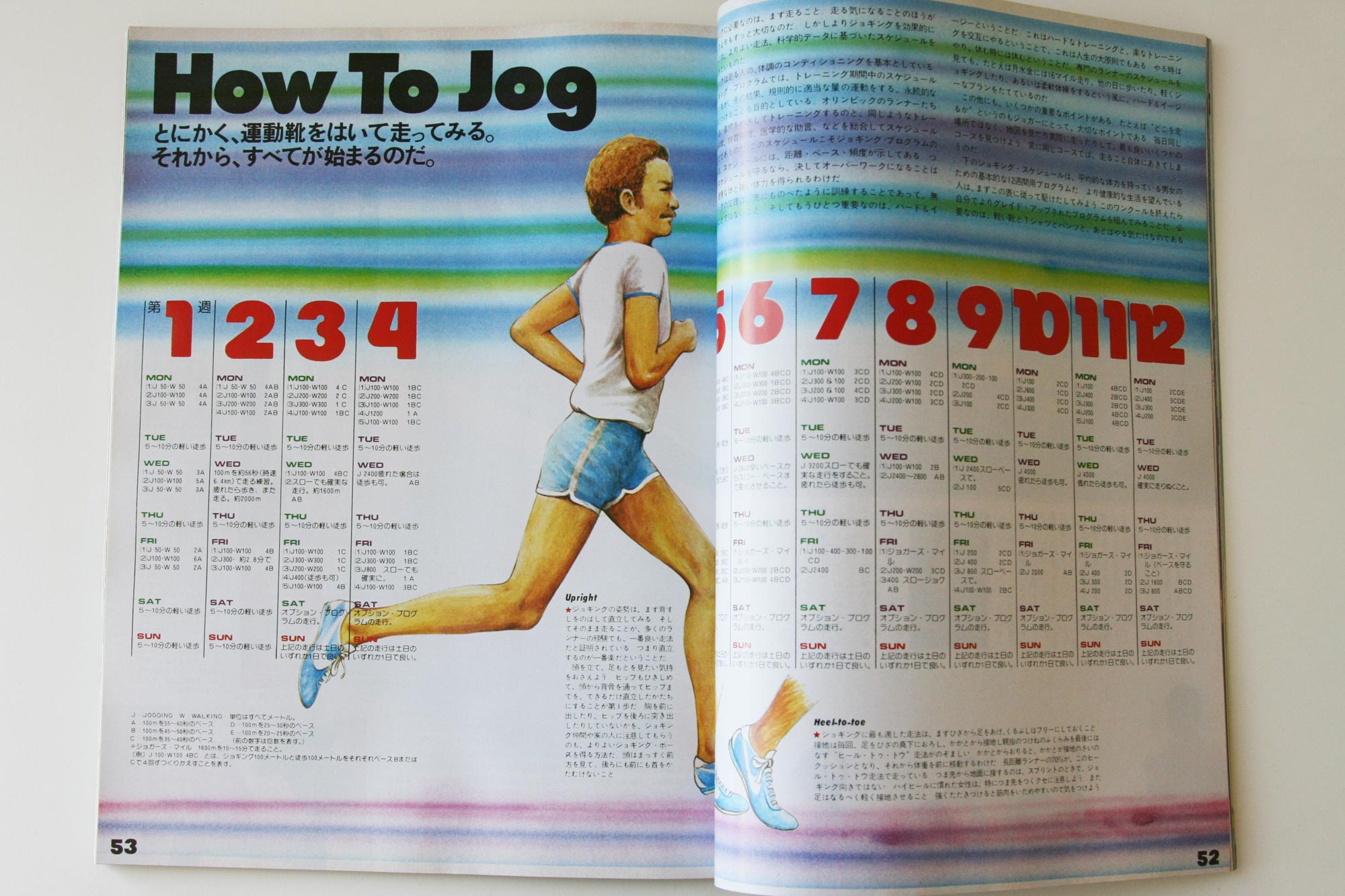
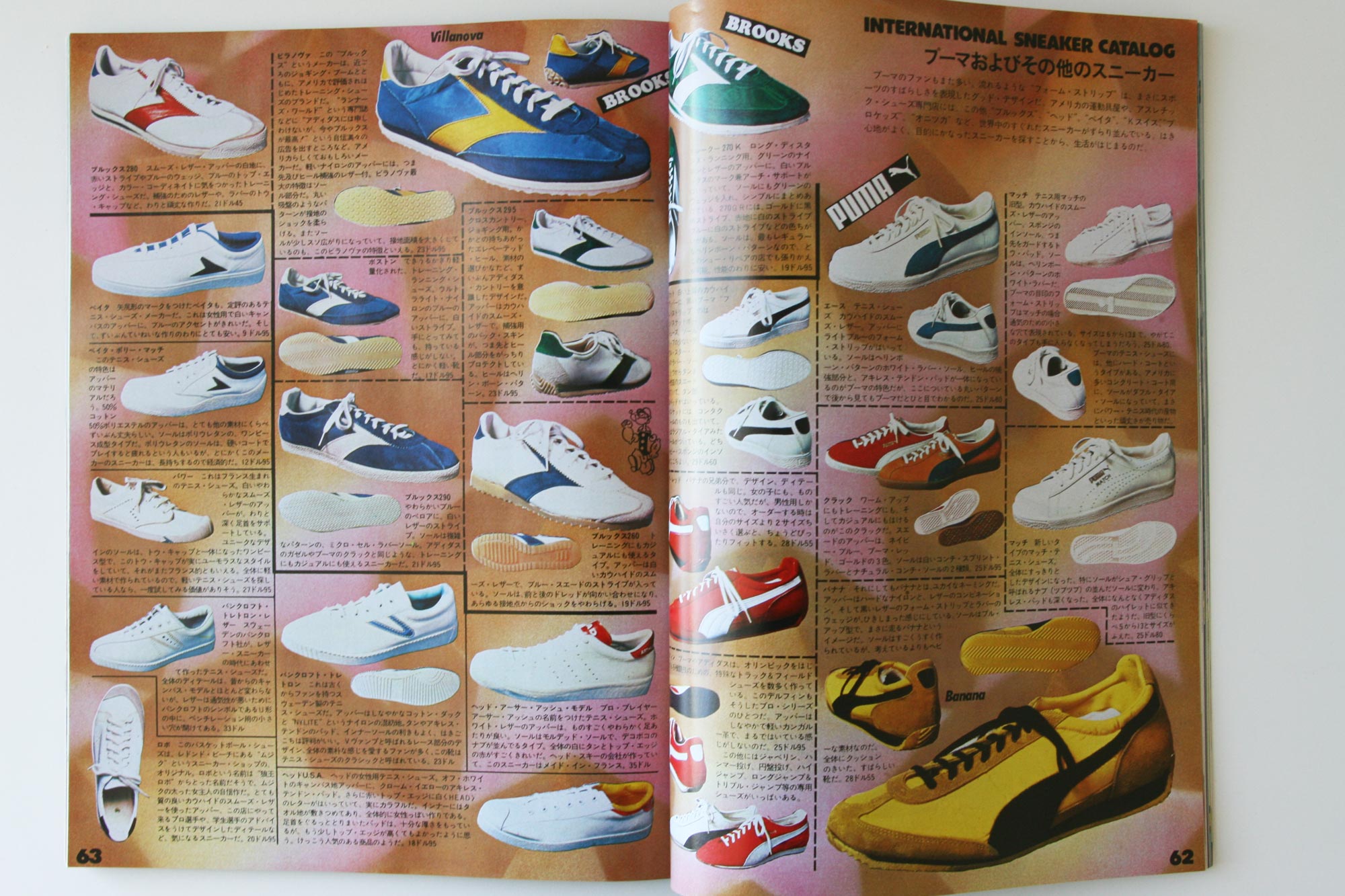
Amongst other topics, the first issue of Popeye—”Magazine for City Boys”—covers such subjects hang-gliding, skate-boarding (along with a “Who is the hottest?” spread), the idyllic and very un-Japanese at the time UCLA campus (complete with dorm room + dining hall visits and a full map of the campus), “Healthy Californians,” sports vans and how to airbrush them for maximum radness, and jogging, along with a detailed spread on how to jog and three spreads full of awesome running shoes of the time—according to Kinameri, “In Japan at the time, students had maybe two kinds of sneakers, and they were cheap and not stylish at all.”

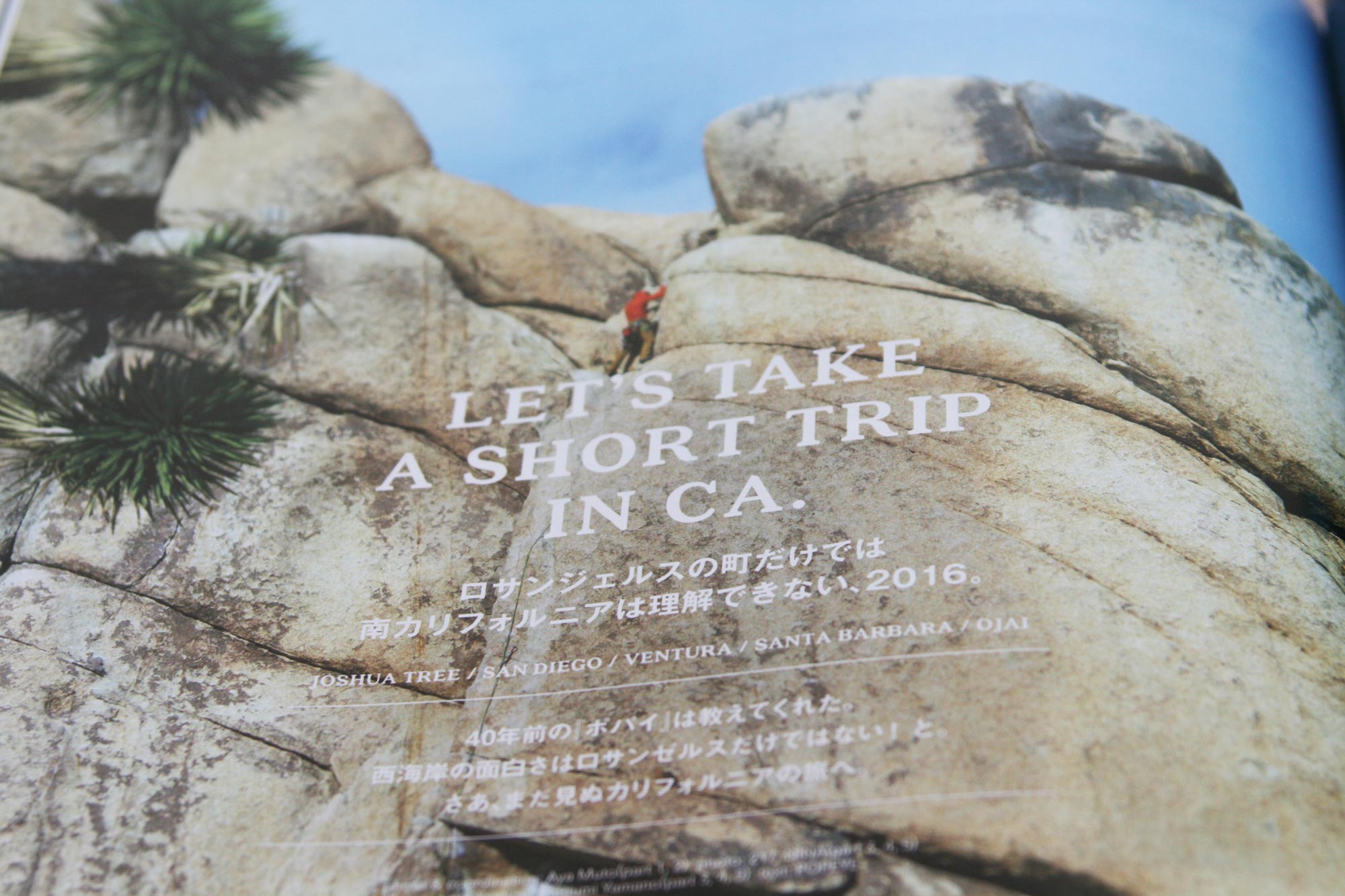
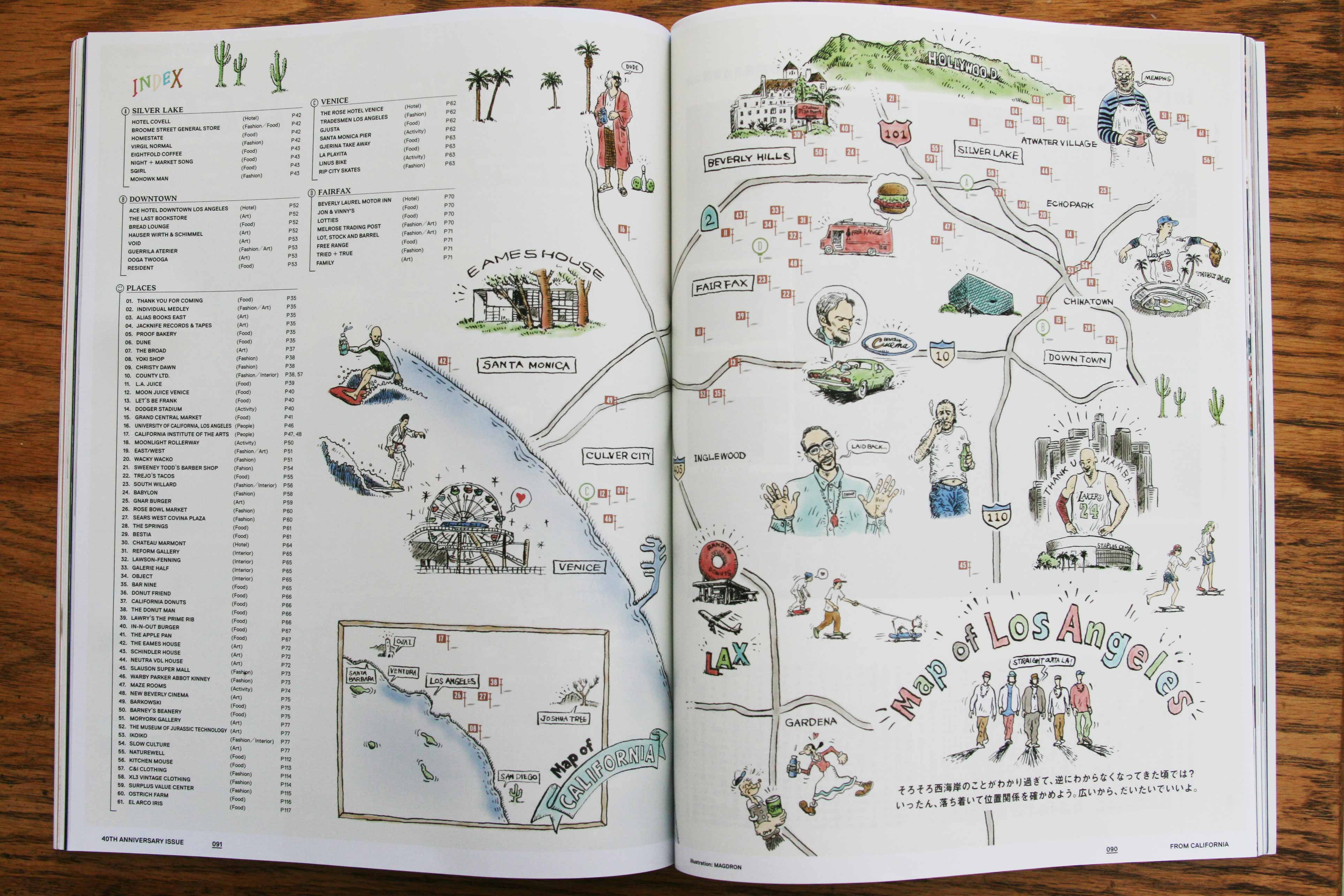
The full first issue of Popeye was printed as it first appeared in 1976 (minus vintage ads being swapped out for a modern sponsor—smart) and is included in the current anniversary issue of Popeye, which takes a much less culture-shocked, very savvy look at Los Angeles and surrounding environs 40 years later, when we’ve both changed so much. And they are very on-point—not only do they feature some of our favorite spots for food in LA (Night + Market Song, Donut Friend, SQRL, Dune), they also feature some of our favorite people—shout-out to Clara from Clara Cakes and her tour of Atwater Village!

Below, some of our favorite moments in the 1976 reprint, followed by Clara, a road trip spread, and a nice illustrated map of Los Angeles in the 2016 anniversary issue.

popeye_4507 popeye-hang-gliding_4555 popeye-magazine-1976_4556 popeye-magazine-japan_4559 popeye-japan-skating_4560 popeye-1976-skate_4562 popeye-magazine-japanese-skating_4563 popeye-japan-bruins_4571 popeye-magazine-jogging_4564 popeye-how-to-jog_4567 popeye-tokyo-sneakers_4570 popeye-mag-japan_4510 popeye-japanese-claras-cakes_4544 popeye-japan-calaifornia_4550 popeye-japan-los-angeles-map_4551