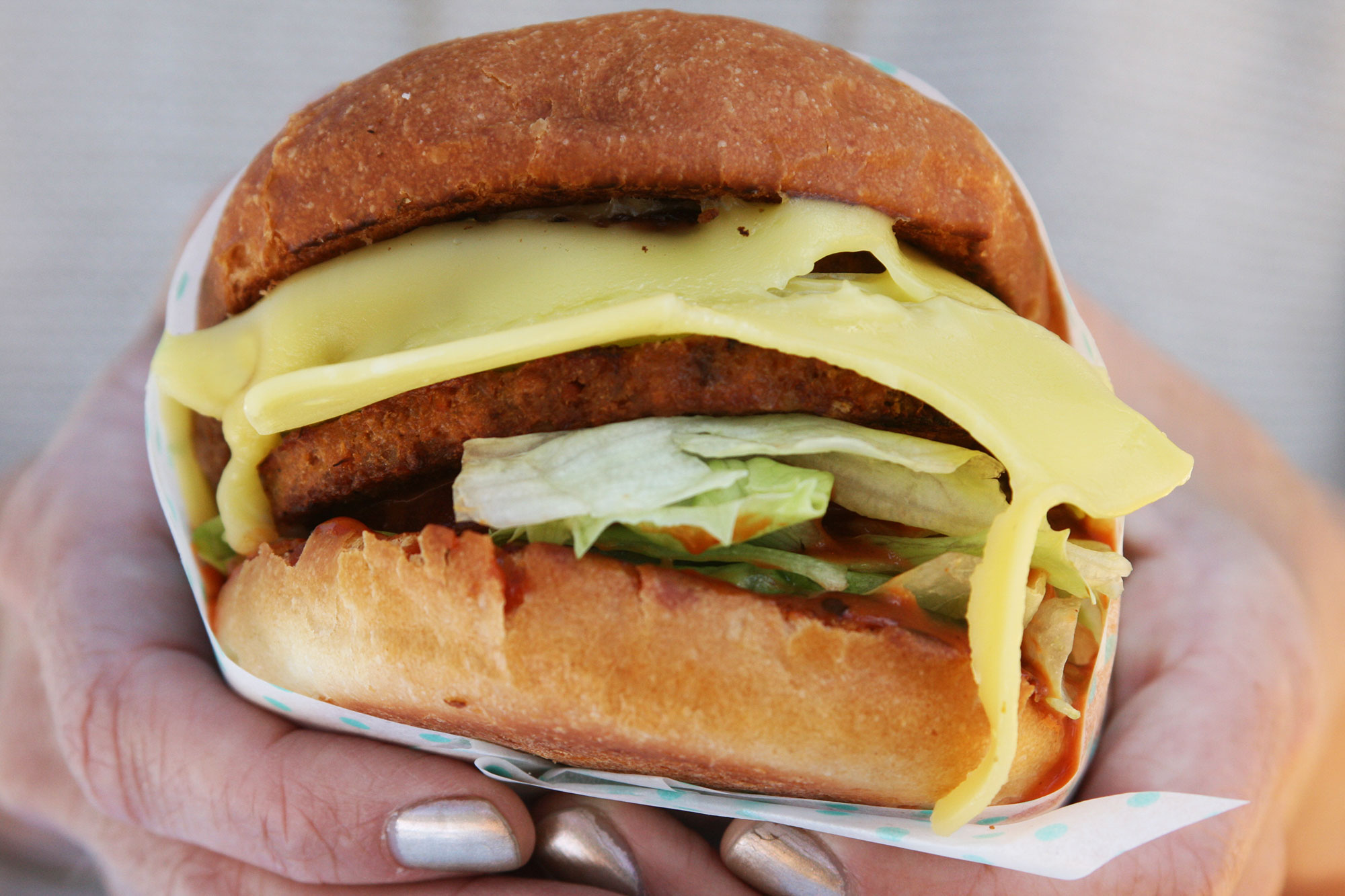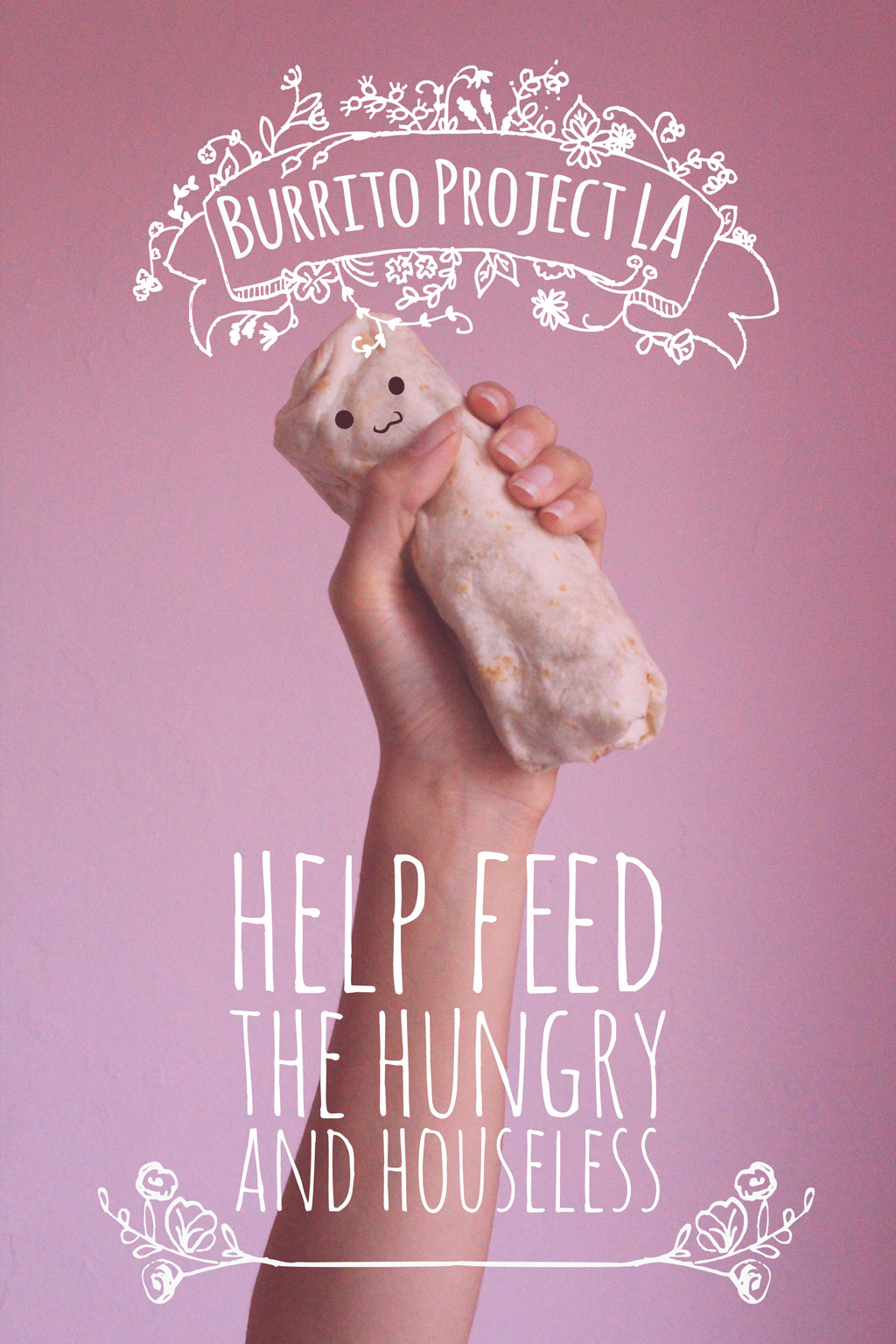
This Saturday, in our role as creative directors + store-runners of MooShoes Los Angeles, we’ll be hosting a fundraiser + vegan bake sale to benefit Burrito Project LA, a local group whose mission is to come together as a community and provide water and burritos to the hungry and houseless of Los Angeles.

The event will be held at MooShoes—3116 Sunset in Silver Lake—starting at noon Saturday and, in addition to many baked goods for sale to benefit the group, will feature raffles, a bevy of prizes, and tacos from our friend Mick at 100 Tacos. You can find out more + RSVP on the event’s Facebook page, but, in an effort to find out more ourselves about the group and their work, we took a few minutes out of our day to talk with Burrito Project organizer (and MooShoes employee) Kathleen Truffaut. Read on to find out more about the group and how to get involved or (if you’re not in the southern California area) start a similar project in your town.
bp_promo

raven + crow: Okay, so, first off, what is the Burrito Project and how did it start?

Kathleen Truffaut: The Burrito Project is the idea of having a group of people come together to help feed those in their community who are hungry and/or living on the streets. The beauty of it is that the Burrito Project chapters all over the country encourage others to get their friends together to start up their own Burrito Project—anyone and everyone can do it! To be honest, we’re not certain where or how it started. We had been volunteering at the Lincoln Heights and South Pasadena chapters and we just wanted to start our own chapter in central Los Angeles—an area where we and our friends reside. We figured that it didn’t hurt to have one more night where people were getting fed, and it’s an area where our friends without cars would easily be able to get to.

So are you all part of the larger, national project?

Yes, there are Burrito Project chapters all over the country—actually, we even came across a Burrito Project chapter in Toronto the other day on Instagram; so, in other countries, too! It’s not an organization in the traditional sense, as it is up to each chapter to pool their resources and raise funds for ingredients and water. Not unlike Food Not Bombs (another food justice group), there is no hierarchal structure or central chapter—it is more so promoting the idea that we can redistribute the wealth we have in our community to help feed those in need.

We are planning on launching a website for our own chapter soon—burritoprojectla.org—so be on the look out for that!

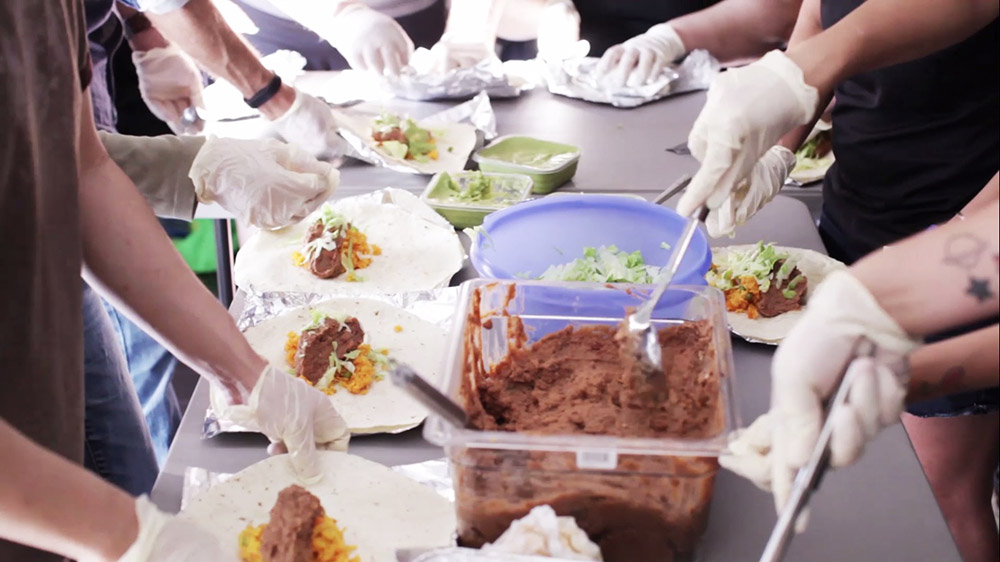
Cool. So, essentially, you all meet up, make burritos, and then hit the streets and give them to the needy + hungry, right?

We also provide water as well, but that is essentially the idea!

I assume it’s usually a pretty fun time?

It’s a very fun time! It’s honestly a great feeling to get together with your friends and others who want to donate their money, time, and/or energy towards helping others.
BP3

Where all do you all usually go in Los Angeles?

Since we started up our chapter in January, it has honestly never been one set place. We did decide that we wanted to distribute in our central L.A. neighborhoods (Koreatown, Echo Park, Silverlake, Hollywood, etc.) because we couldn’t find any food justice groups servicing those areas when we were researching that. With that said, we have noticed the past two months that many people have been living under the 101 underpasses, so we have been distributing to those places the past couple Burrito Project nights. There is also a handful of folks who live around the Kaiser Permanente Hospital on Sunset. It is difficult, though, as people living on the streets cannot necessarily stay in the same place.

Right—I think the underpass thing has something to do with a loophole in city/state law where that’s technically state property, so city cops aren’t supposed to hassle them if they’re there. Makes sense to match the transient nature of the people you’re serving though. But why burritos? Just ease-of-distrubtion and such?

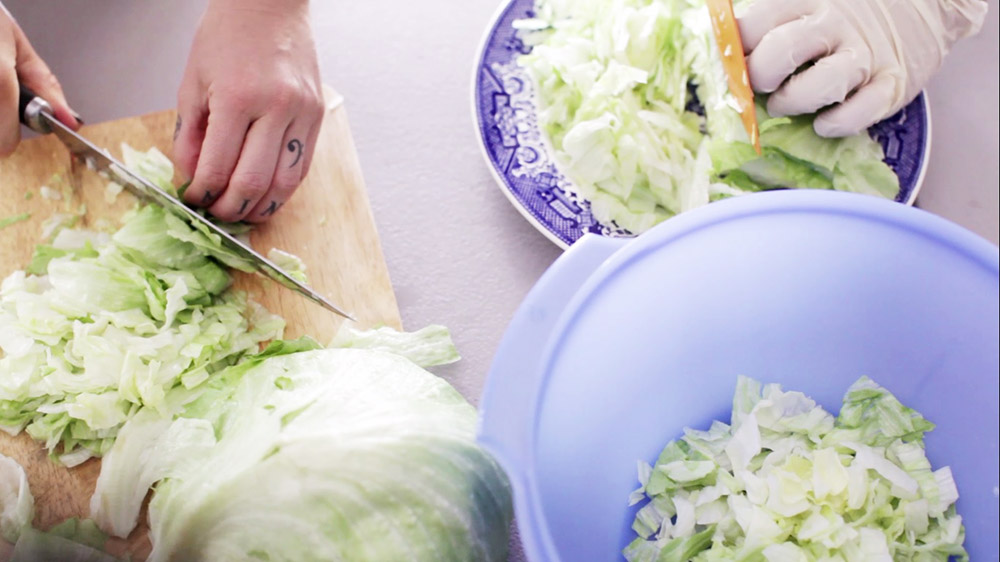
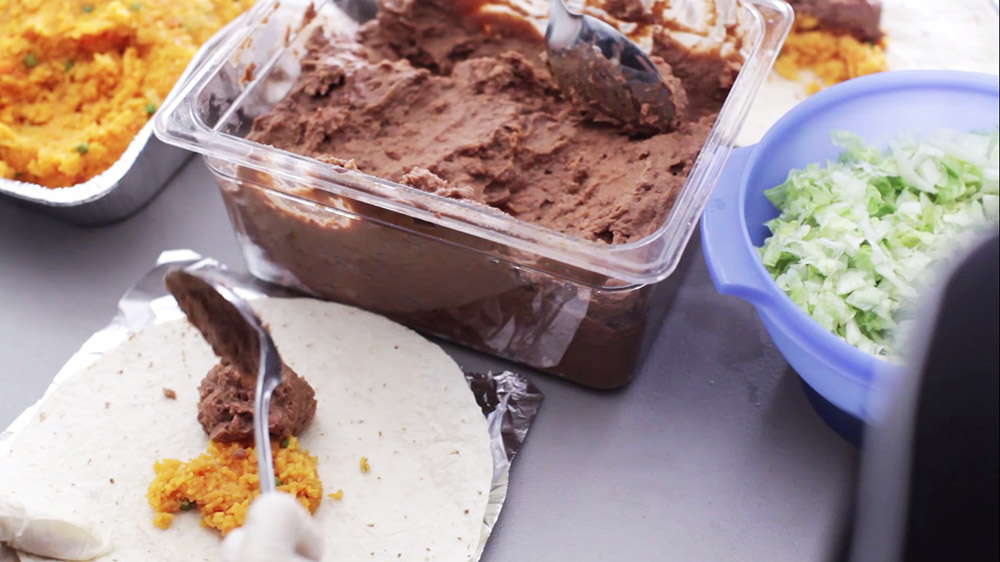
That, yes, and also it’s an easy way to get your protein, grains, and veggies!

And the food’s always vegan, right?

Always! (Though we might add that we believe it is not necessarily the case with all Burrito Project chapters.)

Do you get many questions when you’re distributing the food on the whole vegan thing or are people just happy to get the meal?

Oftentimes we don’t have the time to explain that they’re vegan—we usually approach folks and ask, “Hello, would you like a burrito and water?”, give it to them, and then move on to the next person. Besides, vegan burritos are burritos—just without meat and cheese! We’ve heard some volunteers add “vegan” before “burrito” when they’re asking, but we’ve never seen anyone object to taking them on account of them being vegan.

Have you met a lot of interesting people out on the streets?

Yes, definitely! We are always so happy when we come across those who ask us if the food is vegetarian/vegan—their faces always seem to light up when we tell them they’re 100% vegan. Many have told us how difficult it is to find quality vegetarian food while living on the streets.

There was one time one of our organizers, Maria, was talking to a man on the streets who didn’t want food or money—he needed diapers for his baby. That really stuck with her.
BP1

Does the group have any plans to grow outside of that very direct action and weigh in on policy or do you like the more pure action and result model?

Maria and I do plan on expanding our group to help out with other efforts needed in the community (i.e. donating to transitional shelters, letter-writing events for various campaigns, participating in Black Lives Matter marches, etc.), but we don’t have any plans for weighing in on policy—we prefer direct action!

Awesome. In terms of policy though, do you—either as a group or individually—have any insights as to what the city needs to do to better serve the hungry and homeless here?

While we can’t speak for our individual volunteers, we as the organizers of this Burrito Project chapter can say that we would like to see the city investing in and following through with offering housing programs, as well as programs that would help folks living on the streets with medical issues and job placement.

100% agree. I’m personally more knowledgable on the specific situations for the houseless in New York + Washington, DC and totally acknowledge that significant nuances differ from city to city, but supportive transitional housing seems to be such an important, consistent theme running through every urban narrative. Speaking of though, can you explain the use of the term ‘houseless’ instead of ‘homeless’?

We prefer to use the term “houseless” because “homeless” implies that these people don’t have a home. They may not have a house, but they have homes; albeit, not in what one thinks traditionally in the sense of the word, but whether it be a shelter, a tent, a makeshift abode, or what have you, those are their homes. This was actually brought to our attention by one of our volunteers who used to live on the streets when they were younger. They never wanted to be referred to as homeless; in fact, they felt that the word “homeless” reinforces a negative connotation of those living on the streets.

Makes sense. Who does you promo campaign? We love the little faces drawn on the burritos.

Maria, one of our organizers! She’s a great graphic/web designer (obviously! but we’re admittedly a bit biased), so if you or anyone you know would like to hire her for some graphic and/or web design work, feel free to shoot her an email!

Nice! And if someone wants to get involved, how can they do that?

The easiest way is to follow our Facebook page as we post an event page for each Burrito Project night that we host. If you’re not on Facebook, feel free to email us and we’ll send you the details. Right now we are hosting our Burrito Project night on the last Thursday of every month at 5 pm.

Awesome.

And, for anyone and everyone in southern Cali this weekend, come out Saturday for the bake sale + fundraiser—it should be a superb time. We’re thinking of making vegan ham + cheese biscuits. You heard it here first.
BP2

We’ve got a bit of a habit of spending time in places and falling hard for them, myself especially. If you follow our Instagram accounts (the studio’s + Katie’s personal one), it’s no secret that we fell hard for Portland, Maine. The manageable-yet-still-deep size + diversity of the city, the smell of the sea and constant call of the gulls, the prevalence of craft food + beer culture, all of it’s endearing and it was hard for us to leave today.

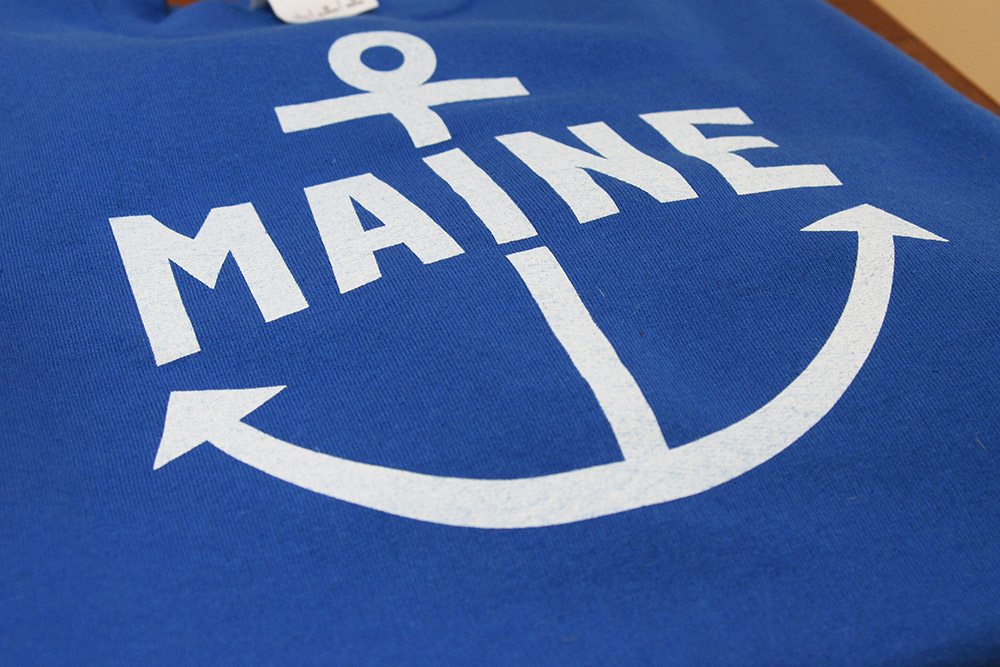
One last-minute find for us—curators + creators of all things imaginative, More & Co., a cozy spot in the arts district/the west end that doubles as a shop + design studio for owners Maria VetteseChristopher Ryan,Ryan Shimala & Lynsey Waite. The shop sells an assortment of home goods, apparel, kid’s clothing + toys, and bric-a-brac, some created by the owners, other not, including the shop’s Imagine Maine line.

As they put it:
“We select goods based on our love of art and design, and on our desire to keep the things in our homes to a simple, thoughtful minimum. Every product in the shop is something we already use, wear, treasure and love, or something we can’t wait to have in our own lives.”

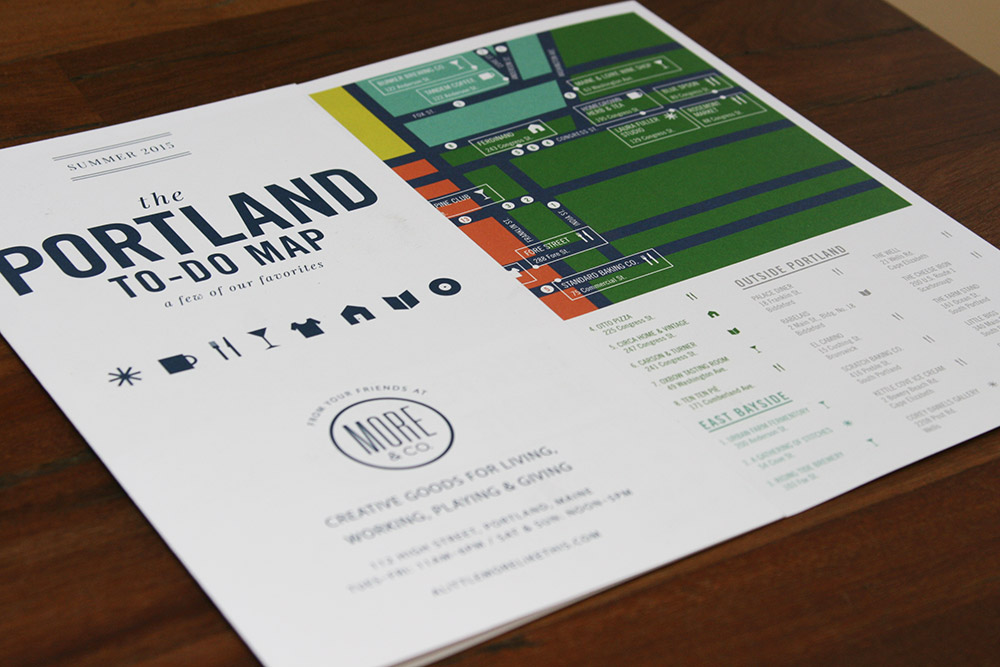
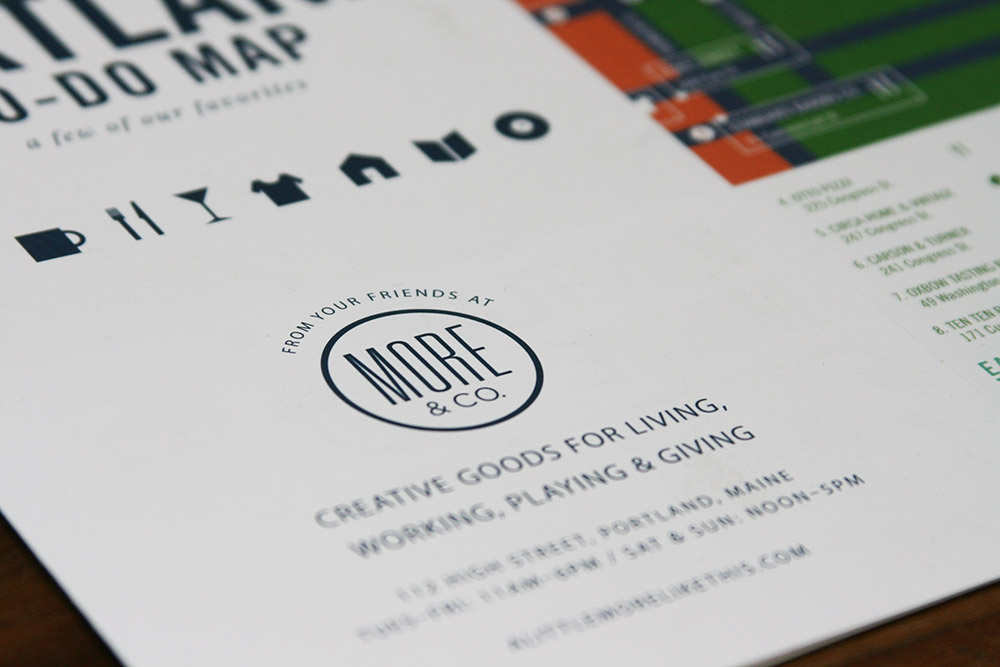
The shop also produces a beautifully done guide to area like-minded shops, restaurants, and cafes (pictured below), a great take on something commonly but not always this well-done.

You can see more of what More has to offer and order it all via More & Co.’s Web site, but stop by if you get a chance.


portland-to-do_4461 portland-to-do_4462 portland-to-do_4464 imagine-maine_4470 imagine-maine_4471

Despite a slight fear of becoming too localized on these pages, given last week’s piece on the (still standing at last check) Griffith Park Tea House, I wanted to share a quick letter we just sent Councilmember-Elect David Ryu with regards to the recent lawsuit against the city some of our neighbors have filed in an effort to close access to Griffith Park at the top of Beachwood Canyon.

You can read more about the lawsuit in yesterday’s LA Times article, and a more pointed, no-pulled-punhces version at Curbed. If, after that, you feel inclined to reach out in a similar manner, please contact Ryu’s office at info@davidryu.com.

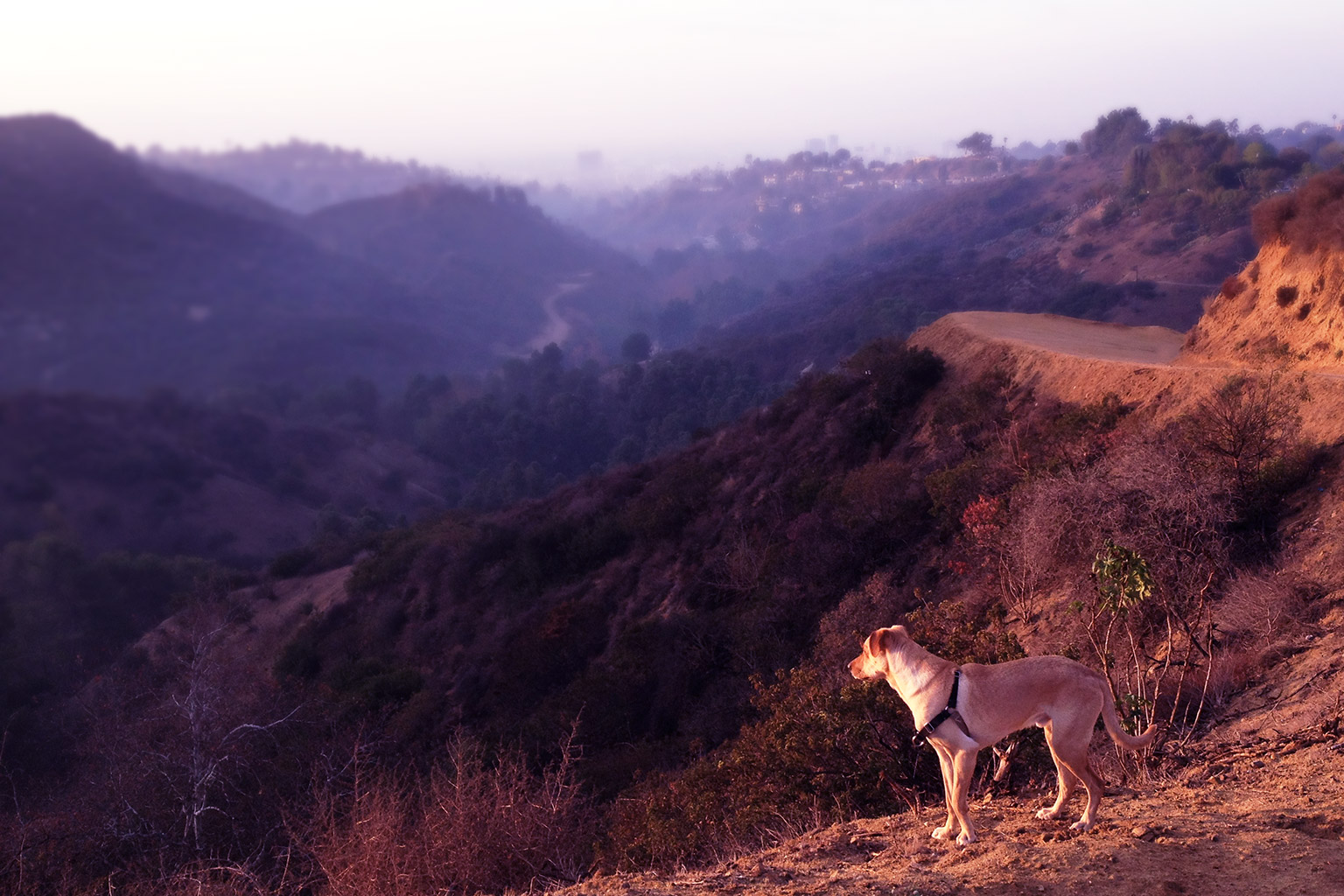
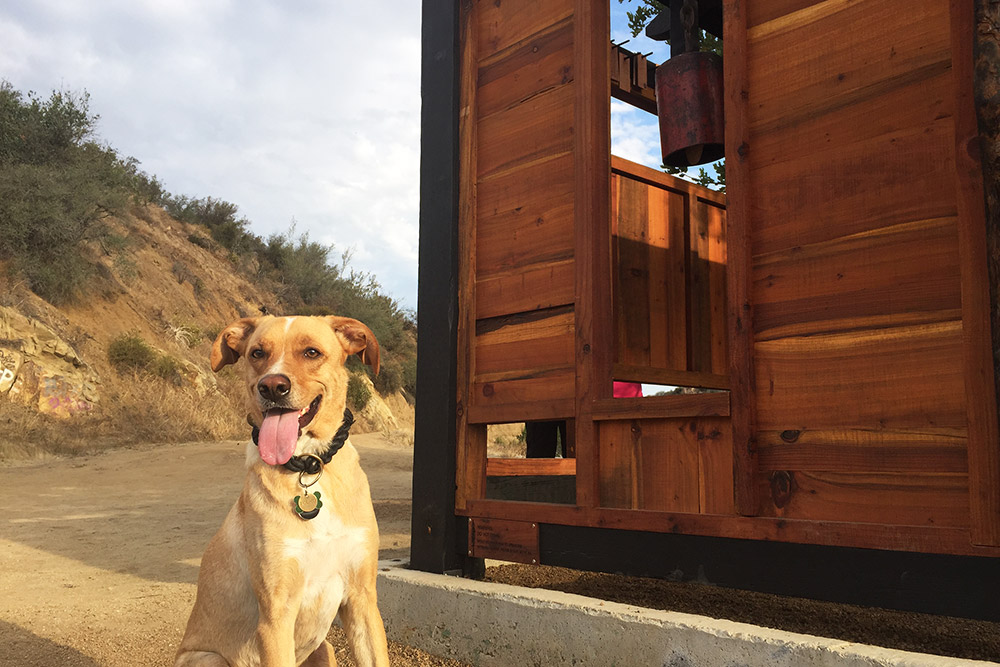
Above, our dog Owen just up from the trailhead in question.

Our letter to Ryu’s office:

My name’s Troy Farmer and my wife, Katie, and I live on Glen Green Street, just off of Beachwood Drive in Hollywood. In case you don’t know it, Glen Green’s a beautiful little dead end street that my wife + I happened upon when we moved here from Brooklyn some years back. At the time, we had absolutely no idea what a small, tight-knit, personable, and open community we were moving into with Glen Green and Beachwood Canyon. Shortly after moving to the neighborhood, we both became involved with a number of local groups and non-profits, including The Hollywood Orchard, on whom’s board Katie now sits. Long story short, we love this place and the small-town-in-the-big-city feel it gives. Most of all, we love our neighbors. I’m continually surprised at what kind, generous, impressively talented people so many of them are and I count myself lucky to have been welcomed among their numbers.

But I sincerely fear that the small-but-vocal minority of neighbors who are calling for the closure of the Hollyridge trailhead are steering our community in the wrong direction. My wife + I use the trailhead on a nearly daily basis, to exercise with our dog or simply escape the non-stop pace of our work days for the pristine wilderness that is Griffith Park, one of the nation’s largest urban parks. I’m constantly left wonder-struck when I think about how amazing it is that I can walk to both some of the city’s best restaurants, concert venues, and cultural spots and our city’s best example of pristine wilderness from our home in Glen Green.

When we originally moved to Beachwood, I remember seeing flyers posted around the canyon from members of the very same group trying to shut down park access today. The flyer spoke of how those who owned homes in Beachwood Canyon and the Hollywood Hills earned their position through hard work, superior intellect, or the grace of well-to-do family members and said that the only true solution to the problem was to take the sign down completely. I 100% do not care about that sign. I do care about access to the beauty and serenity of Griffith Park. It’s one of the things both Katie + I treasure most about this city. I also can’t help but think that the reasons given today by the some of the same people behind that flyer some years back—safety of residents + tourists, effect of the trailhead access on the neighborhood—are but a veneer to truly classist reasons my neighbors have for wanting to close off Hollyridge.

I know you’ve pledged support to these very same people on this very same issue, but I want to make clear that we don’t all feel this way. In fact, knowing my neighbors, I’d say most of us do not. Please take the time to follow up on your other promise to not succumb to a “knee-jerk reaction” on this issue. It would be unfair mostly to the very residents of Beachwood Canyon you’re hoping to serve with this move. Please take the time to hear from the rest of us—the ones not shouting in your ear.

Thank you.

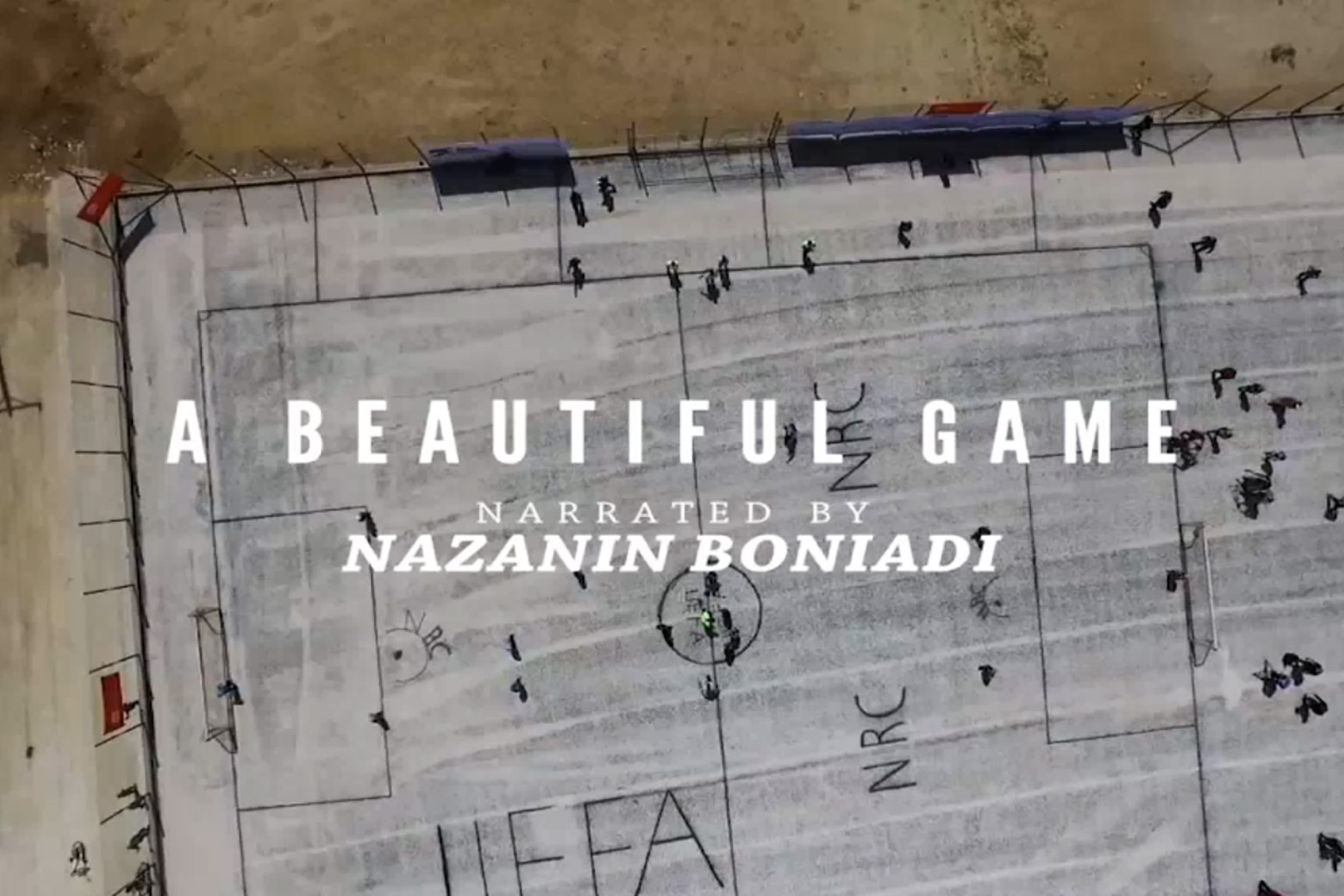
We’re not usually ones to share videos from Fox, but this one, which we caught after one of the Women’s World Cup semifinals last week, was too good to keep to ourselves. It’s an eye-opening look at a world we too often forget about as sheltered, relatively safe members of Western culture and—as is all too rare—a beautiful one. Though, as they note, there’s some pretty gruesome footage in the introduction. Brutal but real.

Give this video—produced by Sarah Cordial and narrated by Homeland‘s Nazanin Boniadi—11 minutes of your life.

You can find out more about the crisis in Syria at the UN Refugee Agency.

Happy birthday, America.

Here’s to a year full of more peace, more love, more rainbows, more unicorns, less hate.

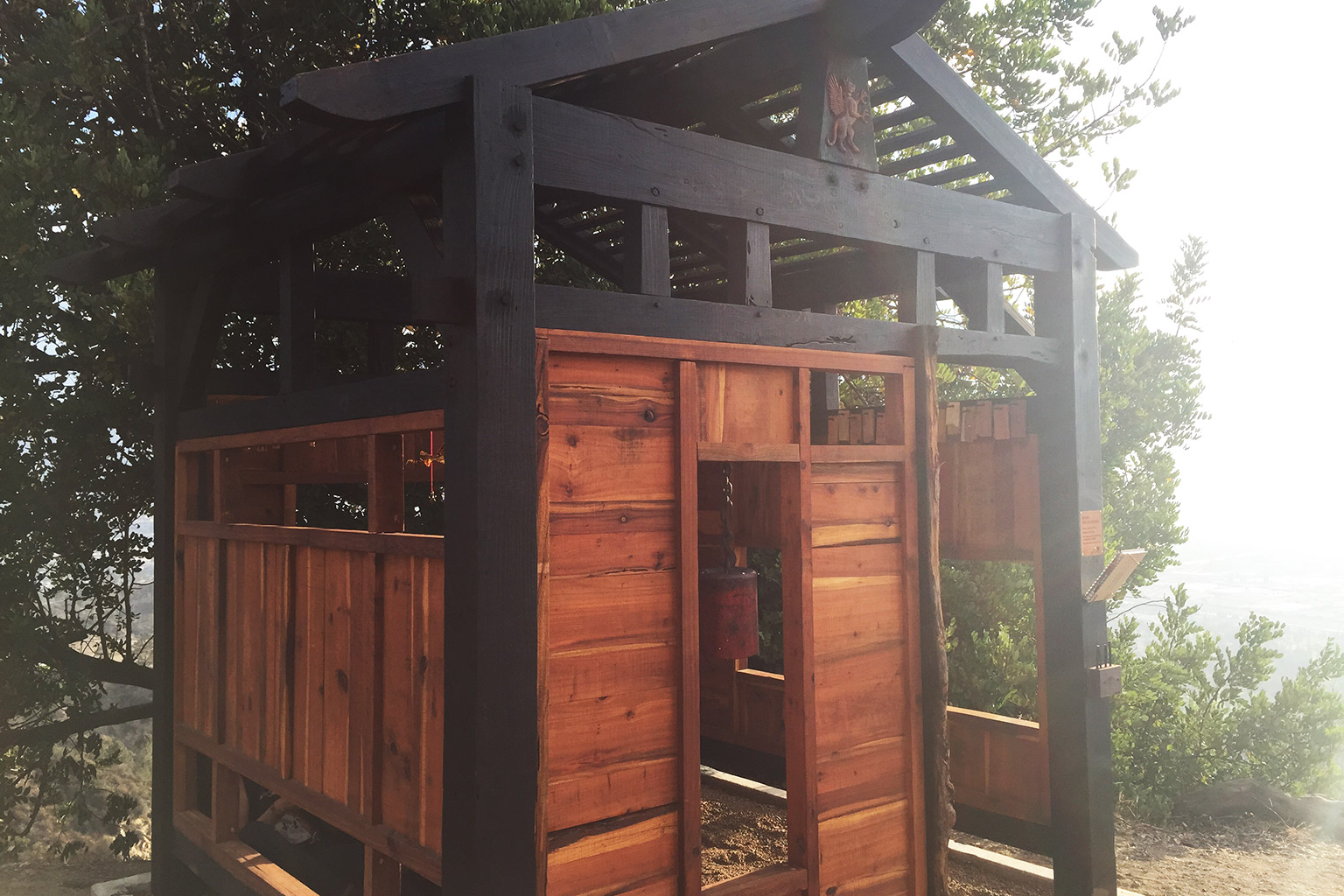
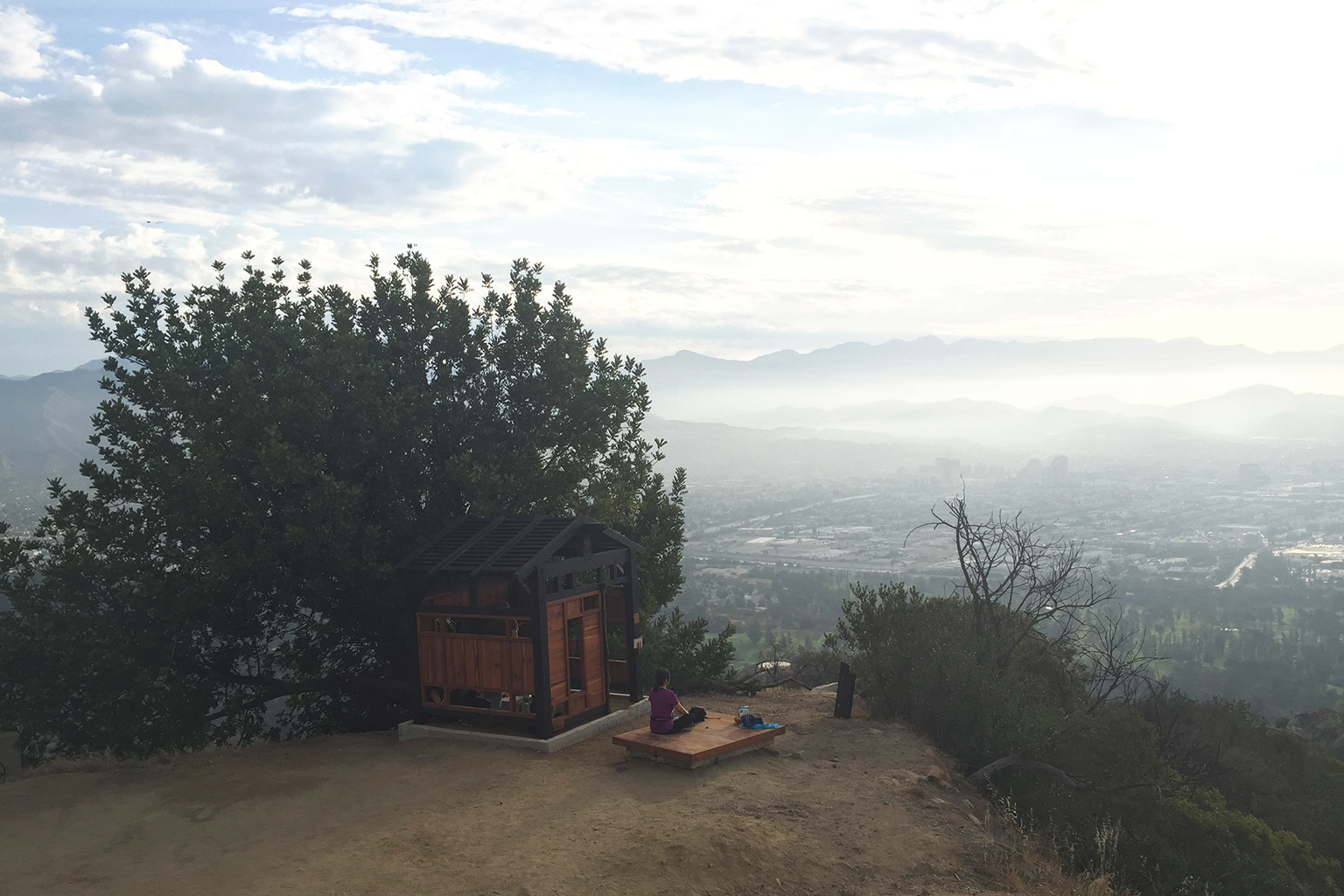
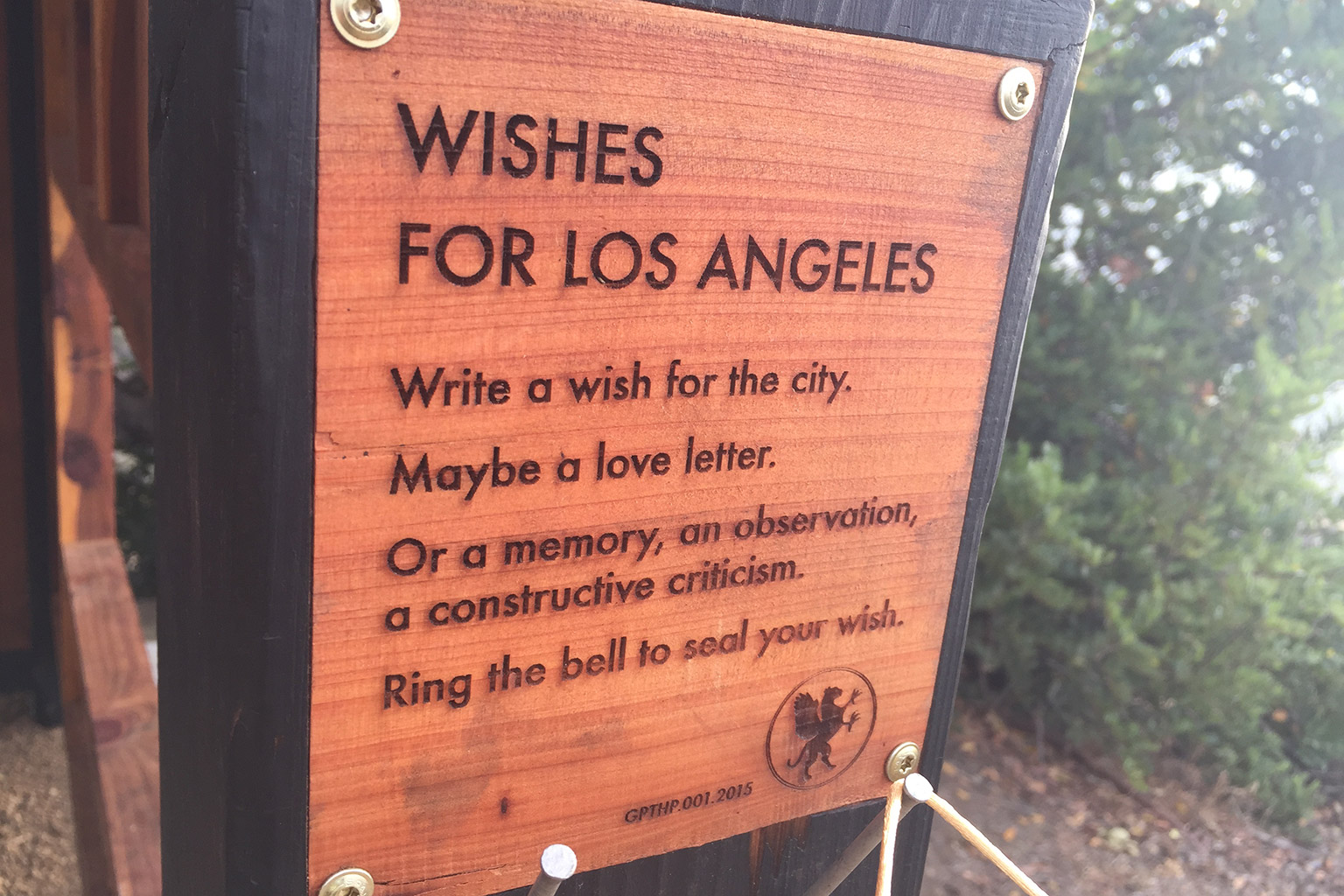
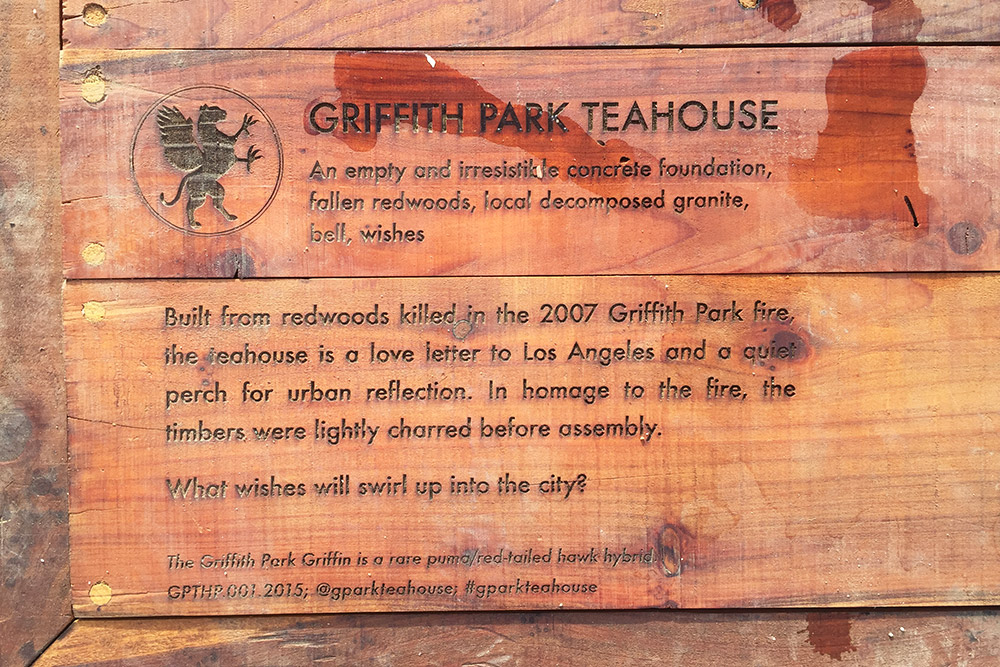
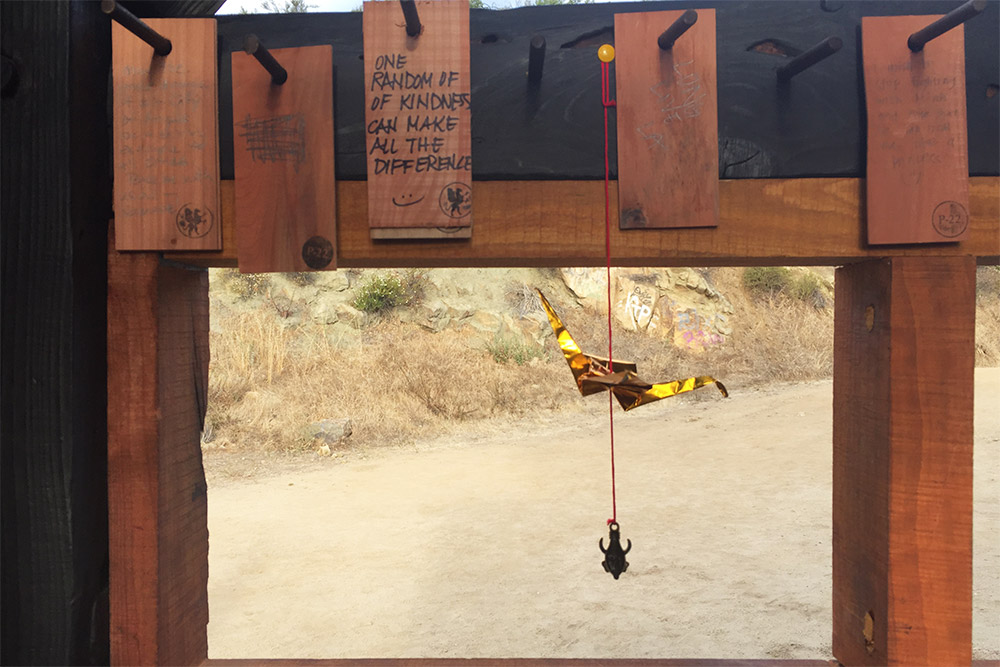
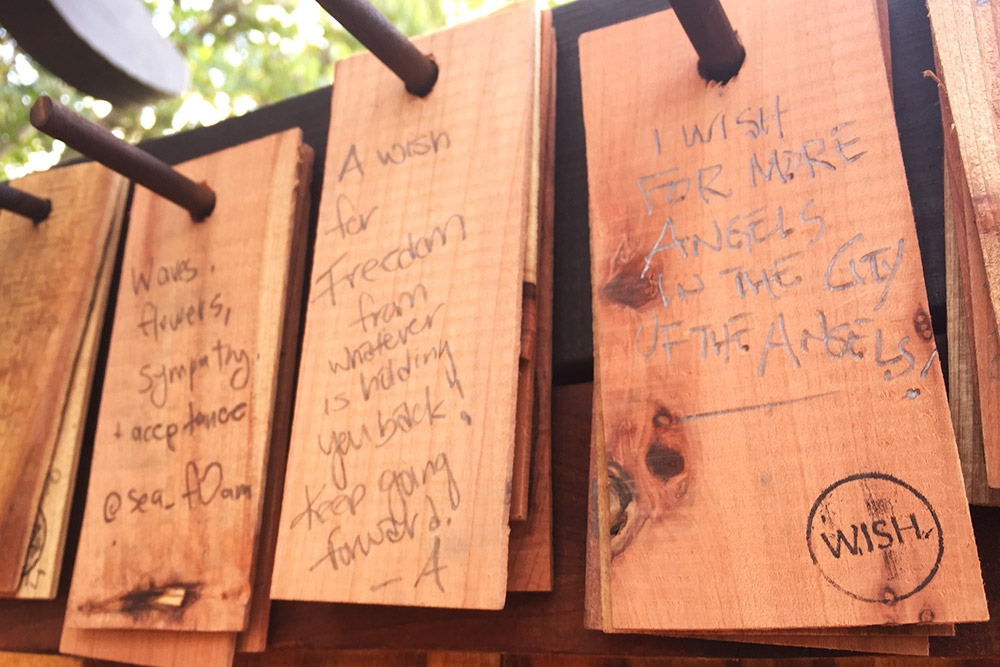
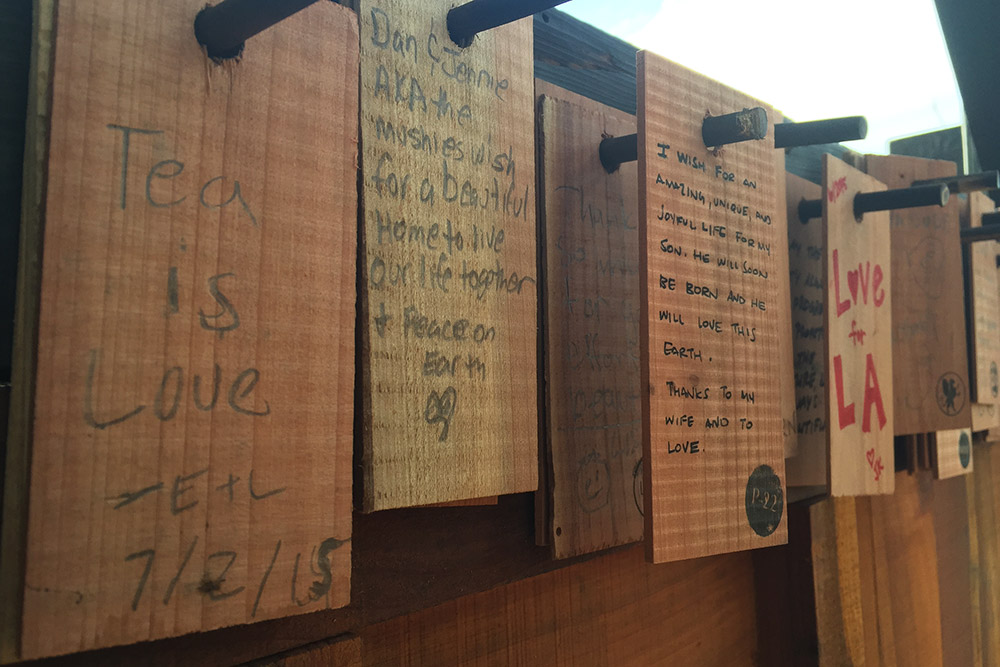
Yesterday, via Curbed + the LA Times, we heard tell of an anonymous group of Los Angeles artists who, in the dead of the night Monday, installed an 80-square-foot Japanese style tea house not far from us in Griffith Park. The structure—made from wood reclaimed from the massive 2007 fire in the park—sits on a previously abandoned concrete slab atop a cliffside path we’ve walked many times before. The view from that point was always spectacular; now this group of artists has made it truly magical.

According to the Times, the collective’s ringleader came across the spot some six years back: “I come to the park to run a lot — and I would just see it and I kept thinking we could do something with it.” He continued—”The idea of a teahouse rose to the fore early on. I’m a big fan of tea … and I’d looked at teahouse design books and I happened to visit Japan during this time, where I spent a lot of time looking at temples.”

Part of the entire project too, according to the artists, is to see how the public and the park will react.

For the public’s part, they’re embracing it with open hearts. I ran there early this morning with our dog, Owen, and, between the people who’d sought it out and those who just stumbled across it, everyone we met was overcome with appreciation for both the beauty of the tea house itself and the beauty behind the communal effort to bring it to reality.

The park, on the other hand, is rumored to have plans to dismantle the tea house. So we strongly urge you to both visit as soon as you can and sign the online petition for the city to adopt the tea house into the fold of the park, not tear it down.

Head over to the original LA Times article to view video of the Tuesday morning dedication ceremony of the tea house.

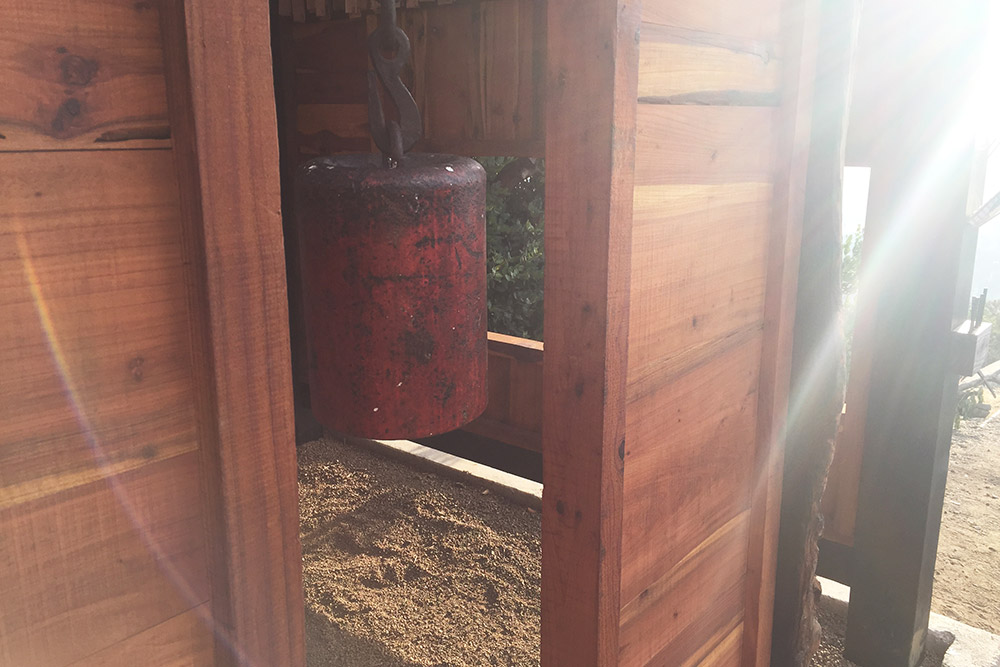
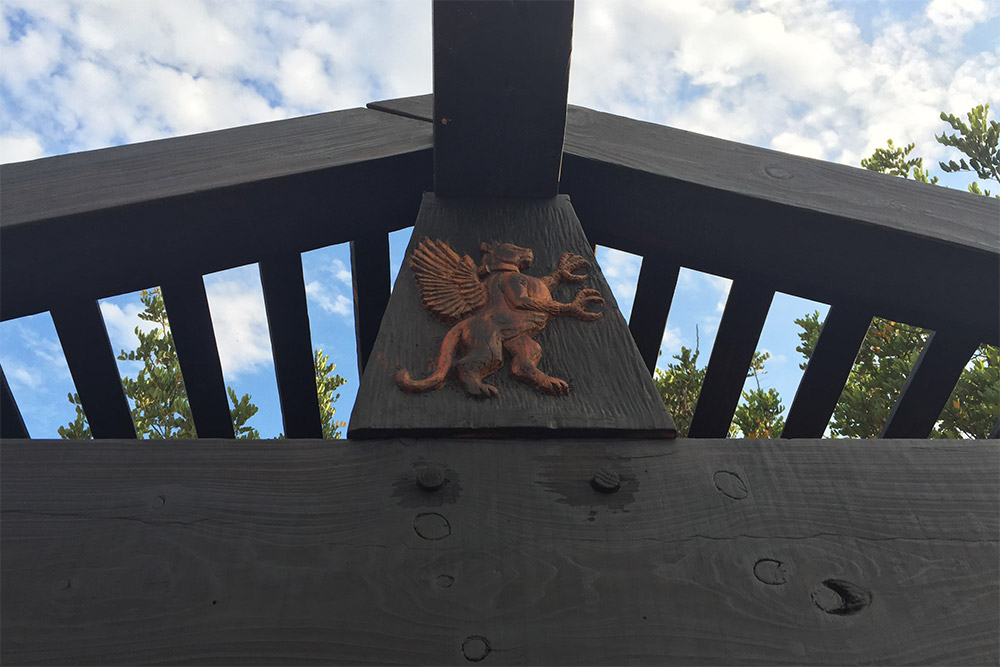
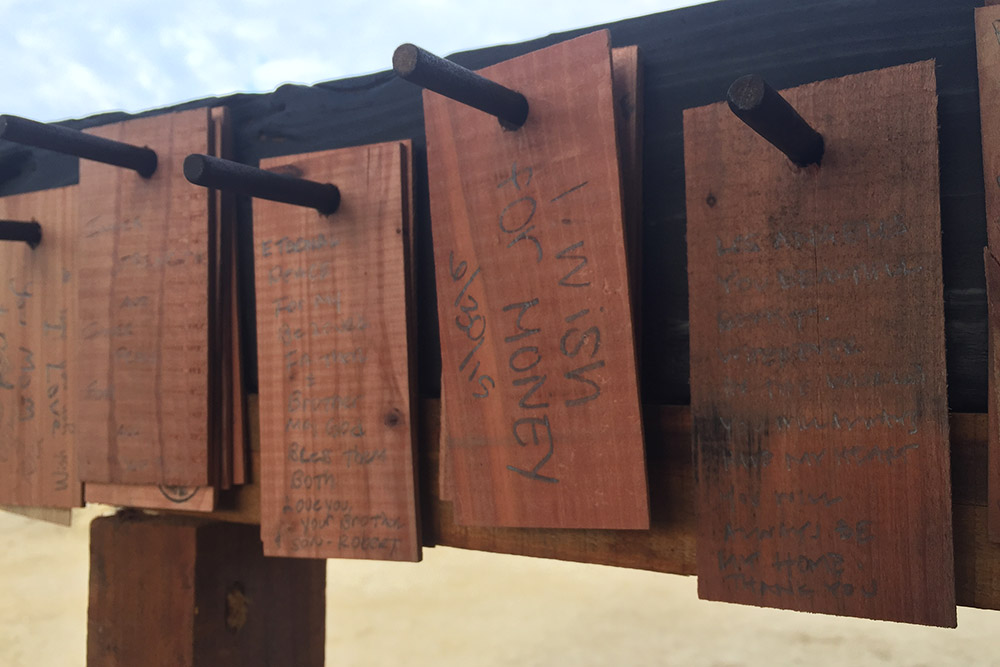
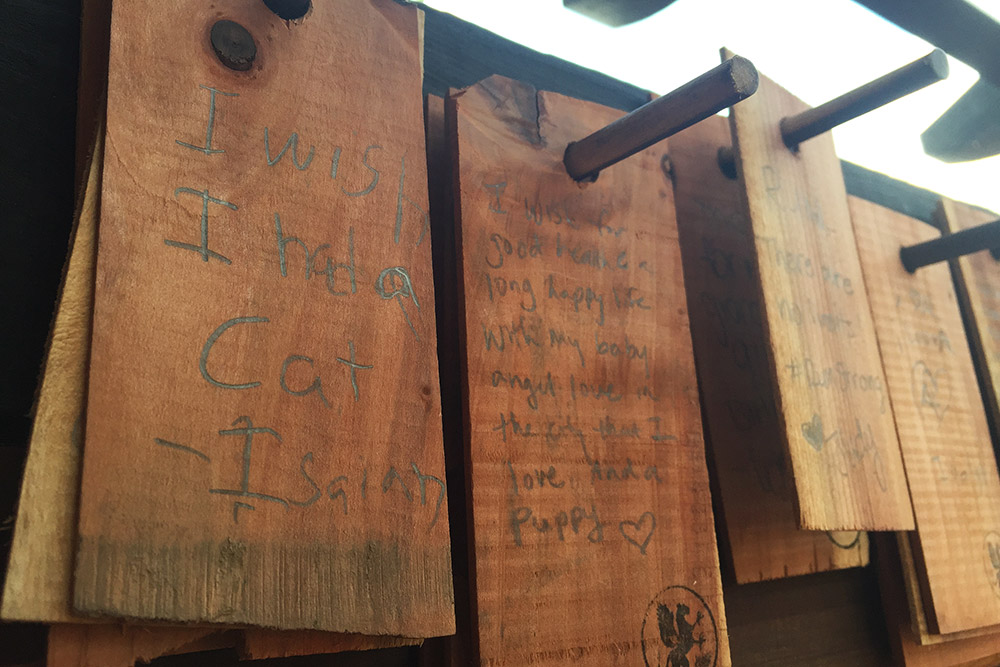
Below, some photos we took this morning of the house, the wishes made, and Owen waiting to ring the bell. Poor Isaiah. Hope he gets his cat.

20150702_3612 20150702_3606-1 20150702_3582-1 20150702_3580-1 20150702_3647-1 20150702_3646 20150702_3639-1 20150702_3634 20150702_3631-1 20150702_3629 20150702_3625


Tomorrow, in our role as store-runners and creative directors at MooShoes Los Angeles, we’re hosting the grassroots animal liberation group Resistance Ecology at the store, donating 10% of the day’s sales to their work and, as an added bonus, bringing in Southern Fried Vegan, who will have many of their trademark, delectable vegan versions of popular southern and soul food classics and also donating a portion of sales to RE.

If you’re in the southern California area tomorrow, stop by—we’re at 3116 Sunset in Silver Lake, open 11-7, and serving food until it’s gone.

Leading up to the event, though, we thought we’d take a moment to find out more about Resistance Ecology, the work the group does, and the concept behind it and its work in talking with the group’s co-founder, Justin Kay.

raven + crow: So, first off, tell me about Resistance Ecology. How + when did it form?

Justin Kay: Resistance Ecology formed in 2012 as a response to the absence of grassroots networking and critical analysis in the animal liberation movement. After years of campaigning and action, a group formed in Portland to address these gaps with a focus on radical movement building, coalition building, and solidarity.

And the name—does that speak to the core mission of the group? How was that chosen?

“Resistance Ecology” speaks to the overlapping, interdependent, and specific oppressions that structure the world around us—an “ecology” of oppression. Resistance Ecology developed as a praxis of advocacy that acknowledged the systemic nature of oppression by advancing an approach that is rooted in coalition building and solidarity.

Do you see yourself primarily as an animal rights/liberation group then?

Yes, we still do, because it is important for us to position ourselves in the animal lib movement and avoid the erasure of specific oppressions through a process of uniformity that often results from AR discourse surrounding “intersectionality.” We come from different histories and social positions, specifically as animal advocates, and we need to own that in order to move forward and genuinely talk about solidarity. Solidarity means nothing if we believe we all struggle in the same way.

I definitely get the idea of a holistic approach to these issues that are inevitably connected, but do you ever worry that—as a group—you’re tackling too much or not honing in enough on specific, finite problems and solutions?

Specific problems do not really exist in a vacuum. Animal use does not exist in a vacuum. Pragmatically it is important that advocates can come to see individual campaigns as part of the larger narrative of liberation or resistance, and be able to seat those things in a political and social context. Yes it can be difficult to approach every issue with a structural analysis, but it is foolish to approach issues in the absence of it.

Honestly, reading through your materials, the concepts seem very logical and well-thought-out in an academic way, but I have a hard time visualizing how that’s turned into direct action; not that the higher concept planning and strategy aren’t valuable, just that I envision getting so wrapped up in the talking and planning that little time or energy is left for action. Do you all focus on specific actions or campaign or are you more of a forum for like-minded activists? …or both?

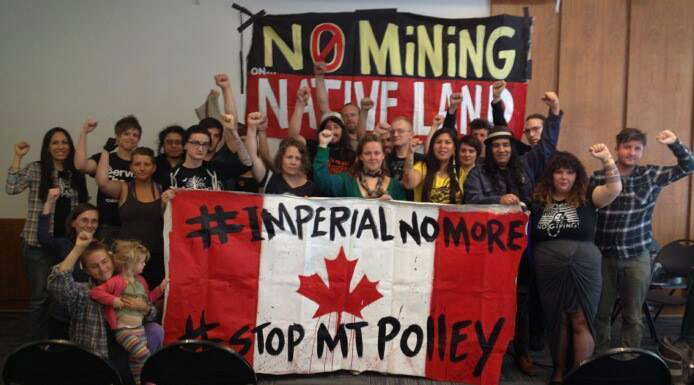
We are both a forum and network of like-minded activists and folks who work on specific campaigns and support specific campaigns. Campaigns and organizations that we support and help to organize, and which reflect our core praxis, include No New Animal Lab (a project of RE), Wildlife Defense League, Food Empowerment Project, and Marineland Animal Defense. We also specifically support and intentionally give space to indigenous land defense campaigns—Unist’ot’en Camp, Madii Lii Camp, Utah Tar Sands Resistance, Apache Stronghold, Klabona Keepers, and Imperial No More—to name a few.

That makes sense. So it’s more about creating this community and common language for the activist community and understanding the interconnectedness of these issues so everyone can take that back to their specific fights. Love that you all work with Food Empowerment Project too—we did that logo for lauren and everyone at FEP a good bit back and have been fans of their work ever since.

We just love lauren and the work that she does and we often give space and support FEP (such as at the conference).

Yeah, it seems like your annual conference is a big part of your work. Can you talk about that and its goals for participants and organizers?

Resistance Ecology really started as a conference. Currently there are almost no grassroots, free, and open to the public animal liberation conferences in the US. The National Animal Rights Conference is not an open or inclusive space. It is structured to keep grassroots activism at bay. It is expensive to attend and to table—several hundred dollars expensive. It only provides space for large nonprofits. It is not representative of the movement we want—not at all. So we started RE as a response to these issues—lack of critical analysis, no meaningful discussion about coalition building or solidarity, unwillingness to critique our failures and obstacles, poor understanding of repression, etc—and we created an alternative.

For three years, the Resistance Ecology Conference has served as a beacon on the path to grassroots animal liberation. We aspire to create a forum to unite animal liberationists, land defenders, and organizers to share skill sets and resources, to report and recruit, to coordinate campaigns, and to promote solidarity, coalition organizing and mass movement building against the structures that underpin animal use and ecological destruction on the continent— Euro-settler colonialism, white supremacy, patriarchy, capitalism, neoliberalism, and border imperialism.

We challenge the professionalization, corporate assimilation, consumer-orientation, and one-dimensional analysis of the so-called animal “rights” movement in the west that is founded in positions of social power and is made possible through settler colonialism, capitalism, and patriarchy. The goal of the conference is to identify these analytical and structural barriers within the animal liberation movement as barriers that prevent us from creating the radical analysis, solidarity, and mass movement necessary to affect meaningful change for animals.

No, I was just talking with someone about how exclusive and ridiculously overpriced the AR National Conference is. It just serves to push the movements further and further into the privileged and elite mentalities. Your 2015 conference just wrapped up a couple weeks ago though—how was it?

The 3rd Annual RECon was a big success. We heard a lot of great feedback from attendees and presenters. Most importantly, it served as a forum for folks to be able to network. Networking is probably the best part of any conference, and by far the most effective. This year was a bit different in that we brought in folks working on indigenous resistance, land defense, decolonization, and anti-colonial struggle so that we could situate animal exploitation on North America in that context. It was going out on a limb for sure, but it paid off well. Relationships were built and difficult discussions were forged. We hope to see some solid, on-the-ground follow up to it all.

In the end, it seems like the 2015 conference is the best representation so far of the movement that we want to help create. There was a bit of a shift away from some of the intellectual foundations, towards a look at what is happening on the ground—physical resistance, occupations, blockades, campaigns, direct action—so that attendees could better conceptualize what a “resistance ecology” would look like temporally, spatially, and strategically.

Lofty but worthy goals, man. Awesome that the conference is free, by the way. How do you pull that off?

We work with a student group at Portland State UniversityStudent Animal Liberation Coalition—who co-organizes the conference and can reserve the space for free. The majority of the organizing collective are students, actually. In reality, though it costs a lot of money, that shouldn’t undermine the obligation to create free and open spaces for movement forums. No conference should cost money. It defeats their entire purpose. The idea that some conferences (such as the National Animal Rights Conference) parade themselves as grassroots yet cost hundreds of dollars, between attendance and tabling and hotel rooms, is one of the biggest jokes that the animal “rights” movement is playing on itself. You’d think that a conference with a budget of over $100,000 dollars could at least provide free and relatively inclusive space. This is the cost of having almost all of our movement resources siphoned by the nonprofit industrial complex, branded with names like PETA, MFA, HSUS, FARM, Humane League, or COK. We literally buy into it. We fall for it over and over.

The solution is to decentralize these movement spaces and forums. Take them back from the “Animal Rights Cartel” and build local and regional capacity and skill sets…find community-run spaces; look into colleges and universities; connect with other communities, organizations, and movements; connect with students. It’s pretty simple and that’s all that we are doing—it’s basic organizing 101. The fact that such advocacy models and organizing capabilities are now so illusory, especially to animal advocates, is a testament to how nonprofits have seriously harmed our movement.

So, outside of conferences themselves, do you see that as a hurdle for many people wanting to be involved in activism these days, the price tag sometimes associated with it?

Absolutely. Movement building means we should be building local skills, resources, and capacity. We currently have a top-down, silo-oriented model of animal advocacy. Resources are funneled, into large established nonprofits with multi-million dollar revenues and paid executive staff, and this causes the grassroots to be hemorrhaging at low capacity. This dynamic helps them to further consolidate power, push their corporate brand, and integrate themselves into to the larger movement. New folks get involved and then think the only way to do activism locally is order some signs and leaflets from one of these organizations. That only perpetuates the cycle. What is lost is the ability of communities to develop skills—writing, journalism, graphic and web design, campaign development, strategy, fundraising—all of which are essential to grassroots organizing. We thus become financially and organizationally dependent on the larger groups, who ironically are sucking our resources dry. It’s the cycle of the nonprofit industrial complex, and is perhaps one the worst hurdles to grassroots mobilizing.

You’ve spoken to this a little already, but, in my more activist-centric youth, one thing we always struggled with in the animal rights, environmental, and feminist communities was the one-dimensionality of our membership—more often than not, it was the white, middle-/upper-class opting in, which invariably guides how you function as a group and the way you impact social change. Do you see that getting better in recent years or do you still view that as a big problem?

It’s still a big problem. The dialogue is getting more visible, due to social media, thoughtful blogs, and solid academics, which is important. It’s the very positioning of animal liberation that leads us down this path though. Until we trace the history of animal use as tangential to European imperial and colonial endeavors, market capitalism, and centralized nation-states, we will inevitably appeal primarily to affluent and privileged communities. We aren’t really challenging power with the analysis that we’ve constructed around animal liberation, so we tend to have a hard time appealing to those whose daily realities are the subjects of power and oppression—people of color, queer and trans folks, indigenous nations, migrants and undocumented folks.

It’s hard to take seriously the suggestion that we’ve made any progress when those in the “Animal Rights Cartel” applaud racists like Sheriff Joe for making his jails vegetarian as a cost-saving measure, praise Israel for vegan boots in the IDF, collude with prosecutors and ICE to deport migrants working in factory farms, or use transphobic analogies to criticize KFC. It’s a joke. As long as anyone supports these organizations, it’s a joke to say we’ve made progress.

Man. This is a lot to digest. How long have you all been doing the magazine, though?
We started the magazine in 2013 along with the first conference.

Is the hope for it that you’re providing an access point to those who can’t make it to the conferences?

That’s part of the intention. It’s also a throwback to days when the movement was scattered throughout social media tirades and rants in the comment section of a blog. We used to have our thoughts and critiques, strategies and tactics, networks and relationships bound in the pages of movement publications like No Compromise, Liberator, Do or Die, Underground, Arkangel, or the Earth First! Journal or in campaign/organization newsletters from SHAC, Save the Hillgrove Cats, or the Liberation Leagues. Again this is all about accessibility—the more ways that folks can learn and get plugged in, the better.

We really like the cover art for the summer 2014 issue. Who did that and how do you seek contributions, in general?

Matt Gauck did the illustration. He has a done a ton of stuff for us and countless other groups doing good work.

For contributions we do a combination of direct asks and soliciting requests for contribution through email lists, social media posts, and website posts.

What are some campaigns coming up that you’re really excited about starting in on this year?

The No New Animal Lab campaign—which is by far the most exciting grassroots animal liberation campaign in the US. It’s a pressure campaign, the vein of SHAC, Hillgrove, and SPEAC, aimed at stopping the construction of a massive centralized animal research facility in Seattle. Check out NoNewAnimalLab.com to learn more.

Well, we’re excited to host you all Saturday. Thanks for taking the time to talk and tell us more about the group.

You can visit RE’s Web site to learn more about the group, their work, and to get involved; if yore in the Los Angeles area, you can also come to MooShoes tomorrow to speak with members of RE—check out the Facebook event page to find out more about the event.
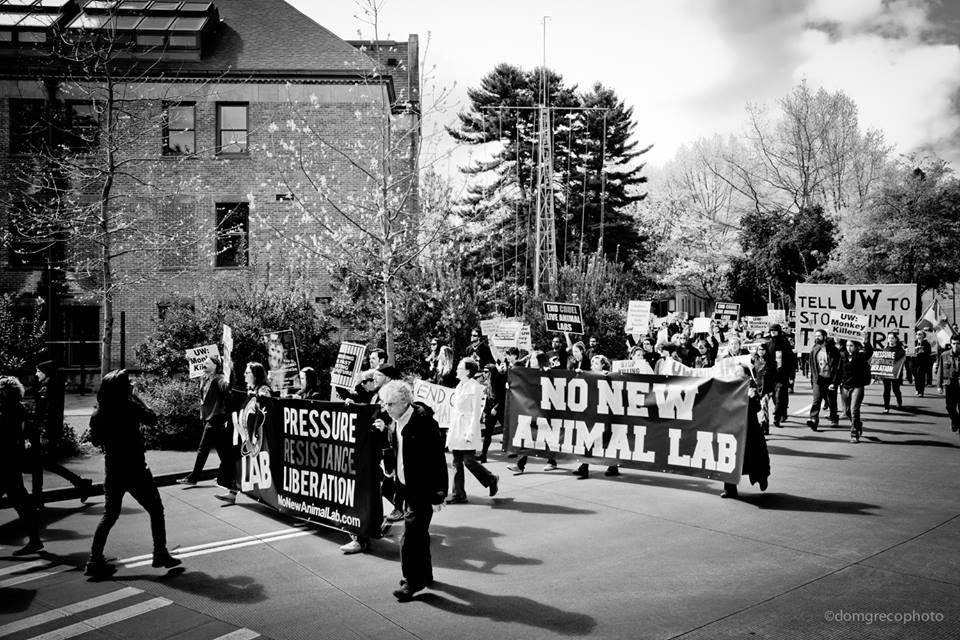
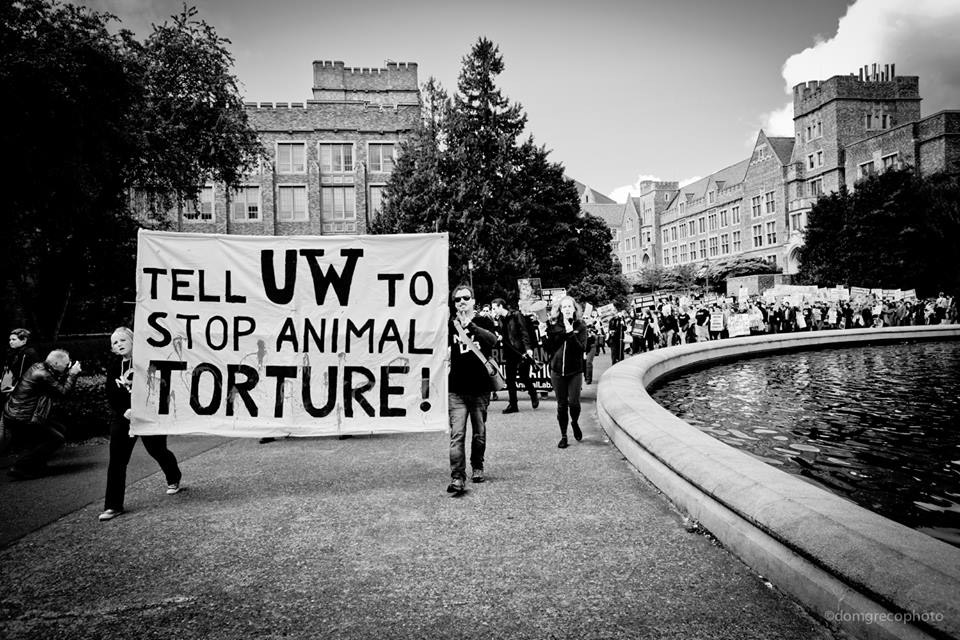
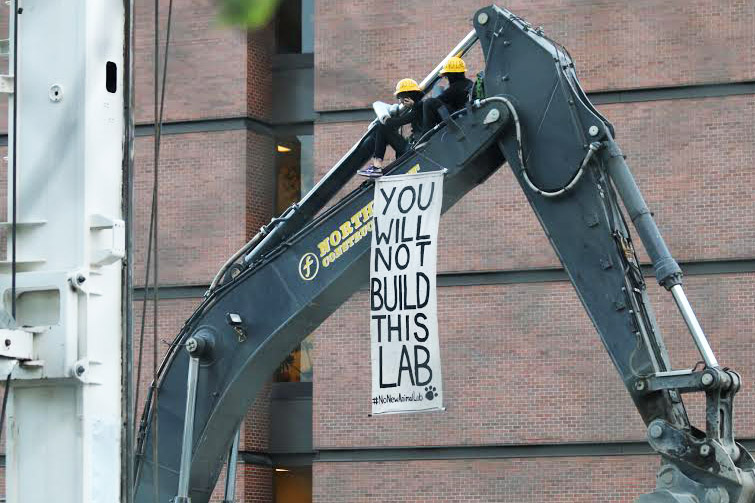
Below, a photo from Resistance Ecology’s most recent conference, just after a panel on land defense and indigenous resistance; a couple shots from the No New Animal Lab campaign 500-person march on the University of Washington; a recent 12-hour lockdown the group caused on the UW lab construction site; and, tot he right, a 32-foot banner an activist hung in a tree on the campus, all photos courtesy of RE.
land-defense march tellUW lockdown

Father’s Day has almost always been a tough one for me.

Even before he died some 12 years back, now, I’d chosen for various reasons to put up walls between us. By the time I got the call that he was gone, my father and I were largely estranged, me having made it clear that I didn’t want him in my life anymore.

It was out of defensiveness, it was out of anger, it was out of a fear that he was a dark reflection of myself in a distant mirror I’d spend years turning away from, but mostly, it was out of a clear vision of what I wanted my life to be and there was no place in it for the broken person he’d become.

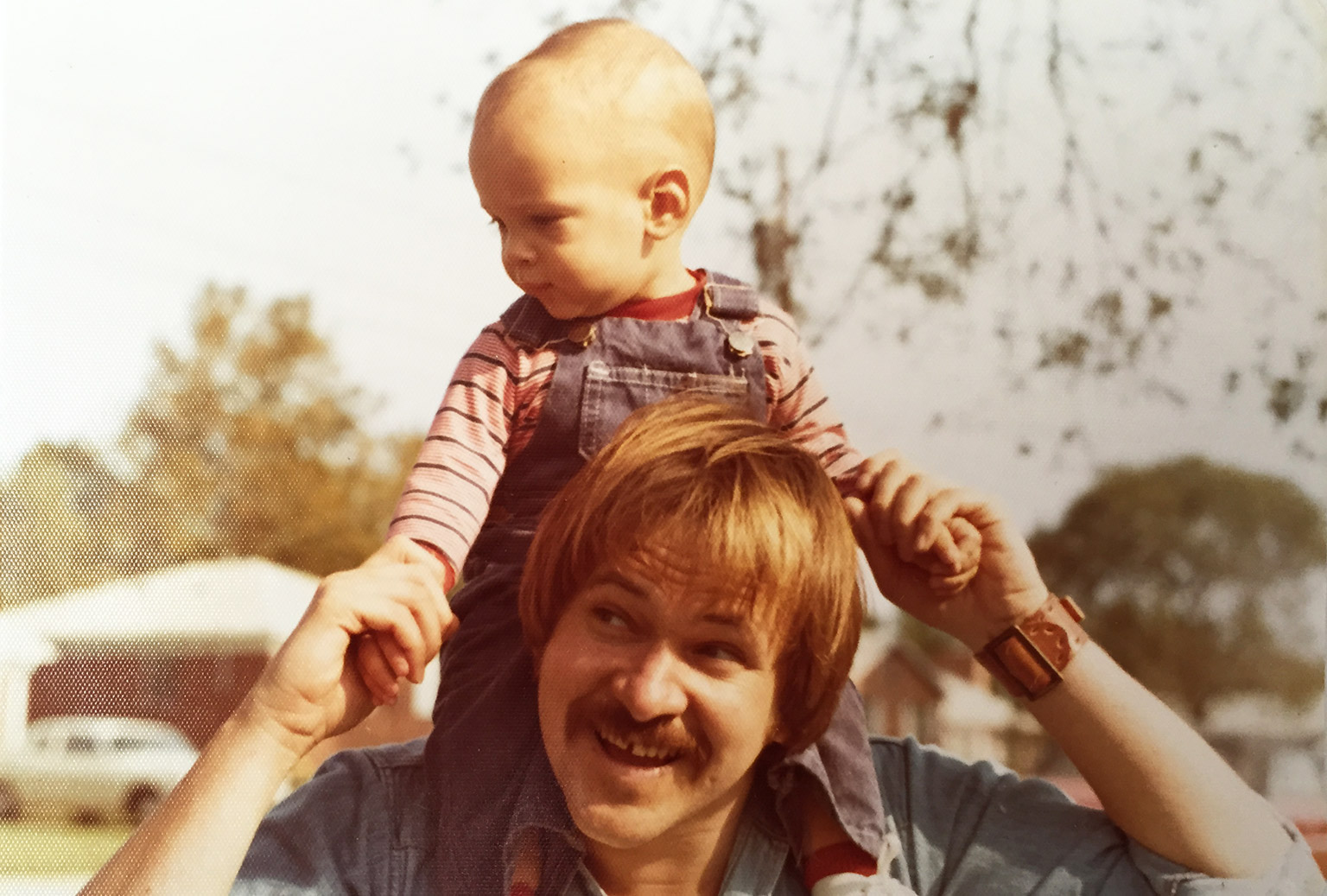
Writing this out now and looking back on it all, it’s hard not to wish more sympathy upon my younger self in some distant hope of spending more time with my dad or maybe even helping him, but I know now as I did then that neither of those things were even remotely possible. He’d strayed so far from the person in this photograph and, for the most part, he’d chosen to be at that place in his life.

But even knowing all of that, especially on days like this, I still have so many fond memories of my dad. He missed a lot of me and my brother growing up, and, when he came back and re-married my mom when I was in high school, things were far from perfect, but there were some bright, shining seconds before things started getting really bad with him. I was starting to become more of who I am now, as an adult, and we shared a lot of bonding moments that I hold all the more dear with him now so long gone.

Many such moments involved music. Less us sharing musical tastes then, necessarily—he was a solid, true blue classic rock fan and I was an avid alt + industrial kid at the time. But he saw a passion for music in me and, him having that too, it gave us a broad common interest and language. I’ve still got countless memories of him trying to win me over to this band or that; many of which I funnily enough now actually do like.

One band that he loved that I simply could not stomach at that age was British band, Dire Straits. I still remember him trying to explain the lyrics to “Money for Nothing” to me and me openly mocking them.

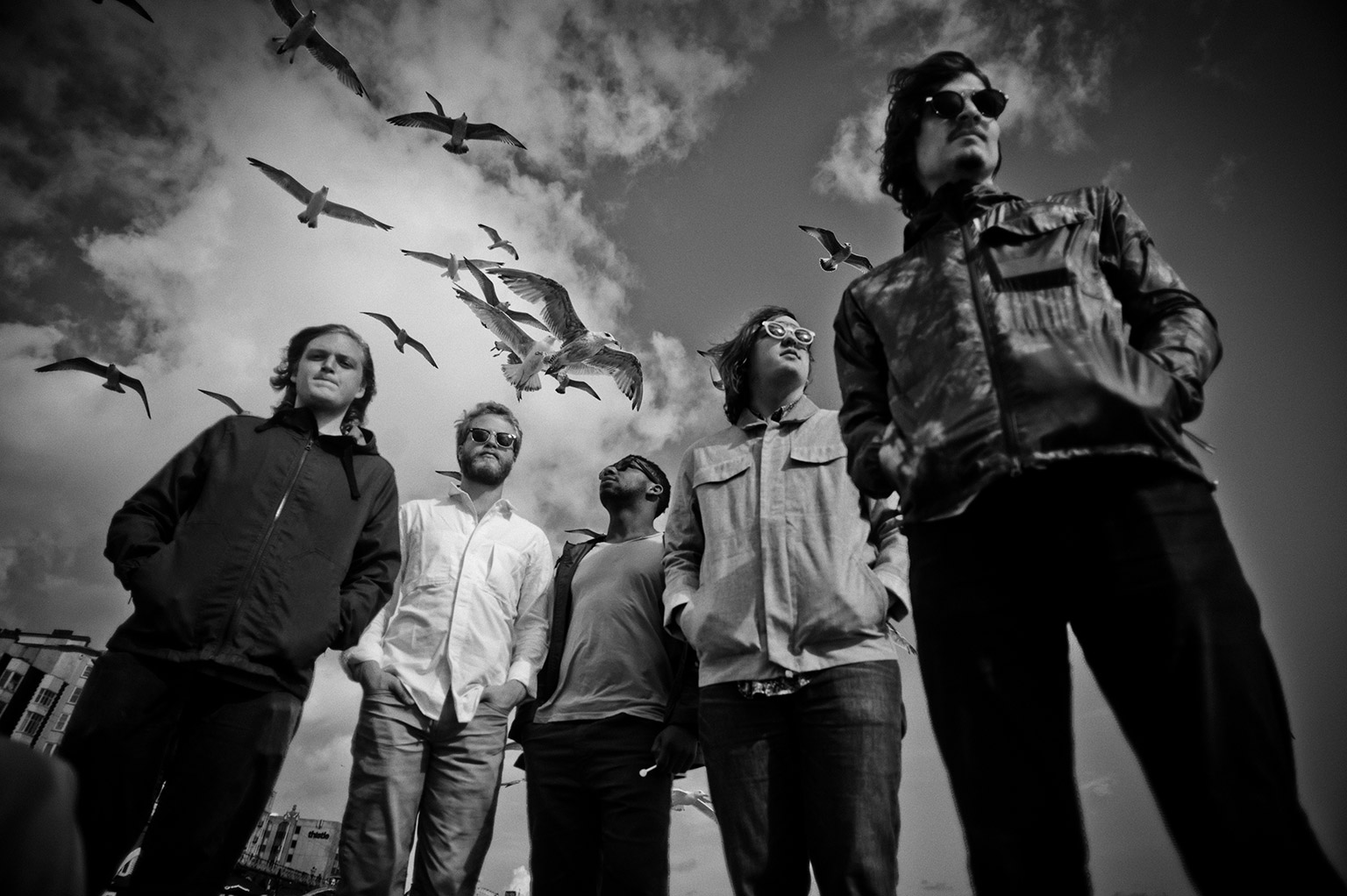
Fast forward to today, when I can rarely get through last year’s Lost in the Dream by the War on Drug‘s without getting a little weepy, they remind me so much of Dire Straits and those conversations in the car with my dad.

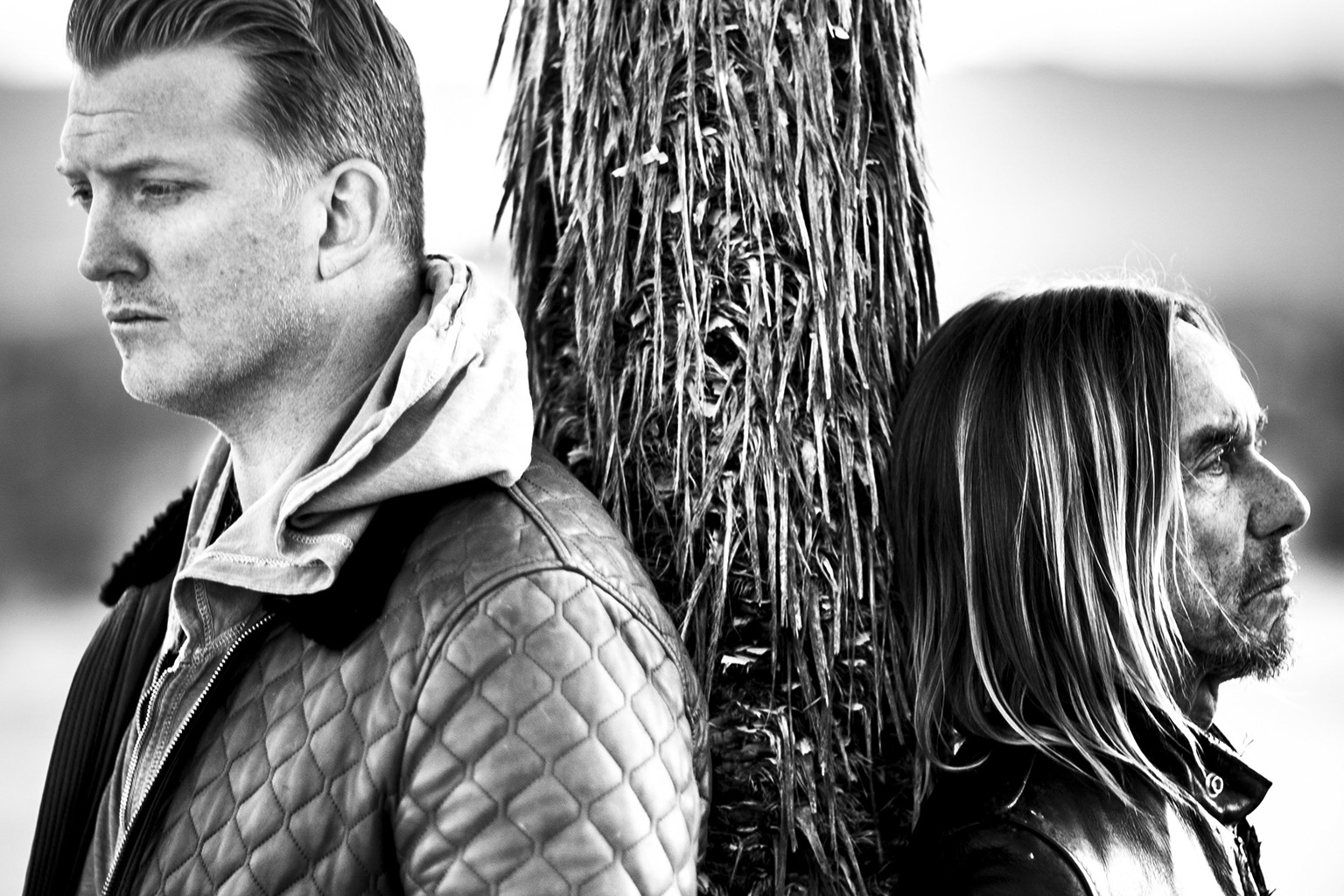
So this one’s for you, dad. It’s a live version of my favorite track off the album. I think you’d like it. I know we had a strained, complicated relationship over the years, but I loved you and I know you loved me. I’m so sorry your life didn’t turn out better than it did. I miss you.

Yet another fond farewell to our favorite city in the world. Back soon, love ya.

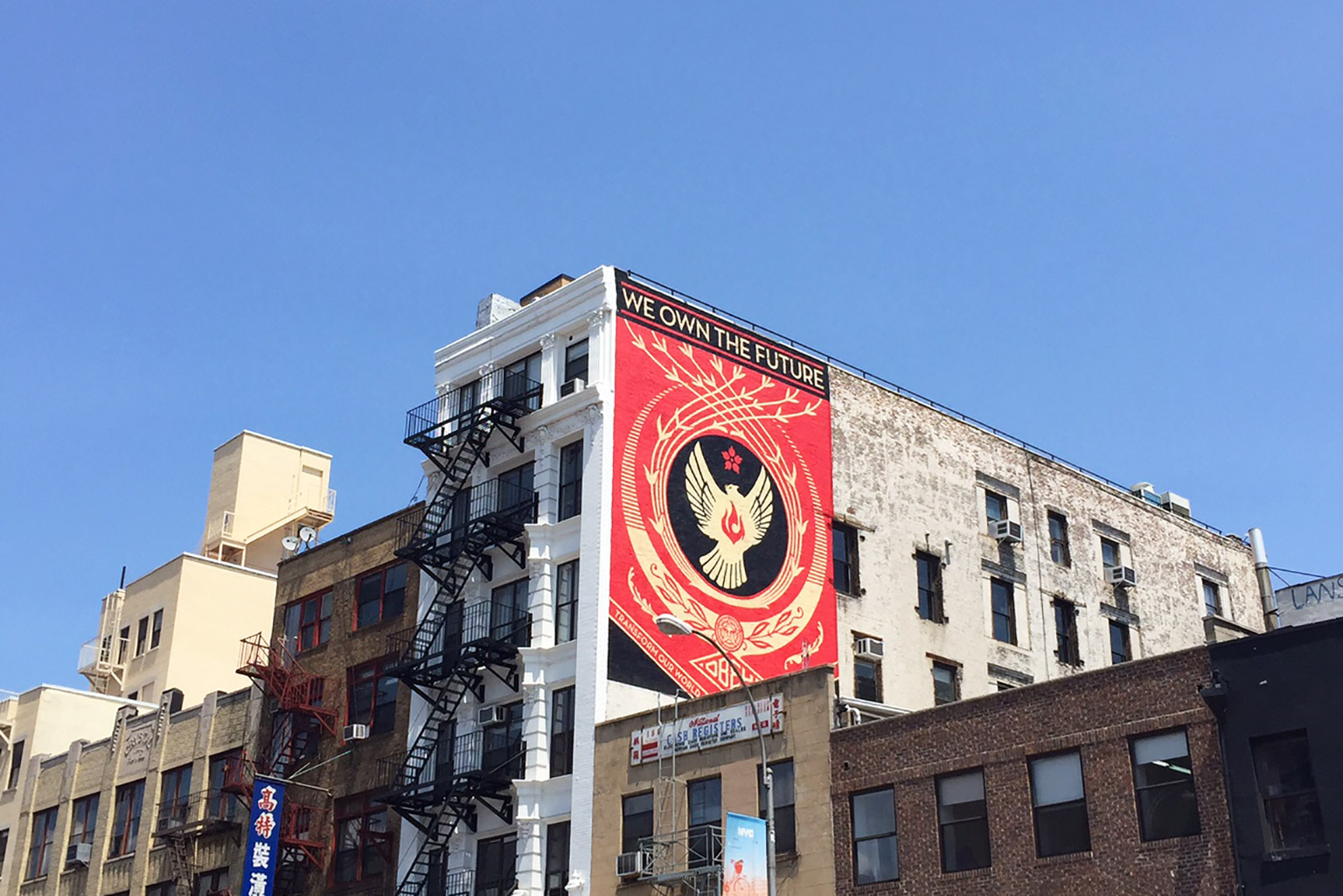
Above, one of Shepard Fairey‘s more recent murals, down on the lower east side/Chinatown.

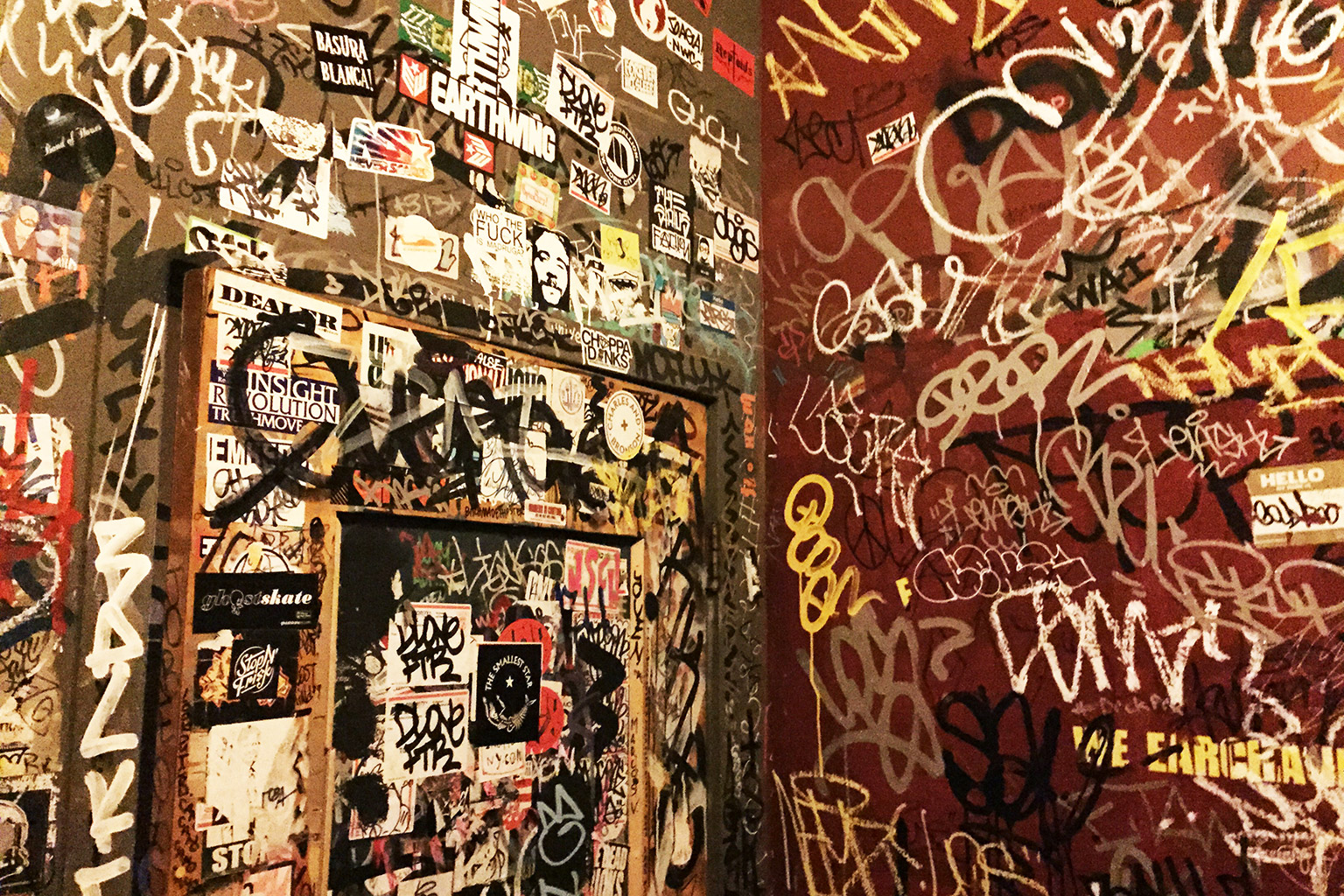
Traveling this week and never realized until last night—we totally miss the quintessential, graffiti- and sticker-covered New York City bathroom. Like this one at Barcade in Williamsburg.

Who knew?