Something significant for us happened this week.

More accurately, something significant didn’t happen for us this week—after nearly a year-and-a-half of continuous, uninterrupted week-daily posting to our studio’s web journal, we made the conscious decision to break from that daily schedule.

The initial move to daily posting came in February of 2014 and coincided with a massive overhaul of our studio’s web site wherein we pulled our journal into the fabric of the site in an effort to merge two established online personas. Before that, via Google’s Blogger, we’d started the blog that became this journal (formerly and separately branded as Kindness of Ravens) way back in 2008. Those four or five years, we ran it much more as a personal, more casual portal for our creative output when Blogging was more at its height, thus the separation from our professional persona. We also only posted every now and then, not on any sort of schedule. The move to daily posts in 2014 was an experiment to see how it affected our output—sticking to a scheduling and folding the writing and coverage more into raven + crow as a professional design studio, we wanted to see how it would change and hopefully improve what we did and how we did it.

Taking this more measured approach to the journal definitely affected things in a positive aspect—we feel the writing refined and, more importantly, the focus on what we wrote about, why, and how grew more sharpened. We reigned in our focus to coverage of design, art, music, culture, and the vegan food scene and, as a result, felt more motivated and engaged both with our subjects and our audience. What’s more, making this move gave us a kind of excuse to reach out and open up communication with groups and individuals in and outside of our field, which, likewise, opened up our lives professionally and socially. Very much like that picture of a salad in early 2013 that very much led to both longterm clients and professional partnerships, we can draw direct lines from work we’ve done on these pages and outreach behind the writing to real-world relationships we’ve developed. Which is clearly awesome.

Now, after stepping back and seeing the results of this deliberate shift, we’re making yet another move for greater focus by not holding ourselves to a daily schedule. It was a successful experiment and one we’re glad we embarked upon, but we feel we can both further curate the content that appears here by posting less and, honestly, devote more time to other, non-online things in the real world, be them professional, personal, or something in-between.

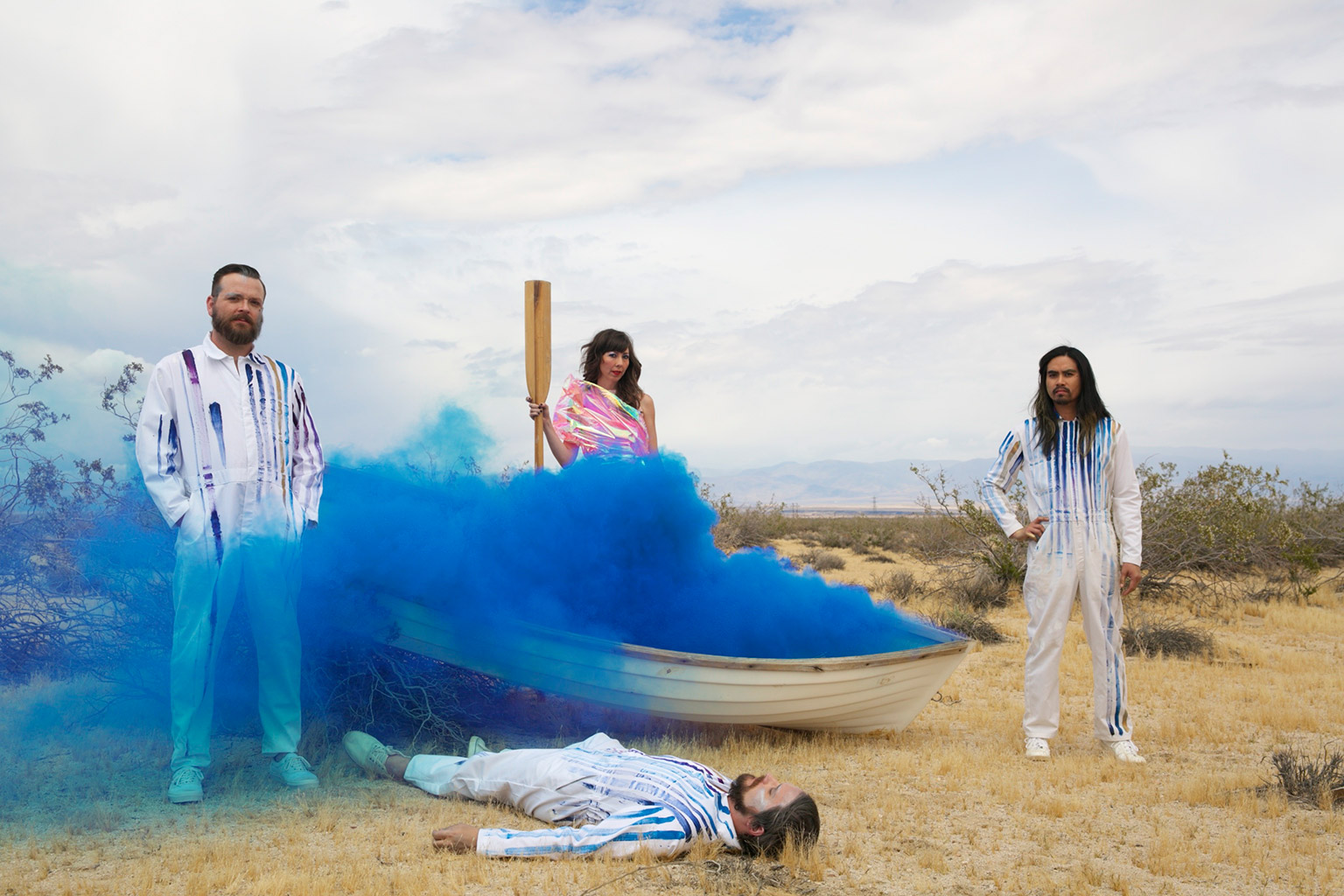
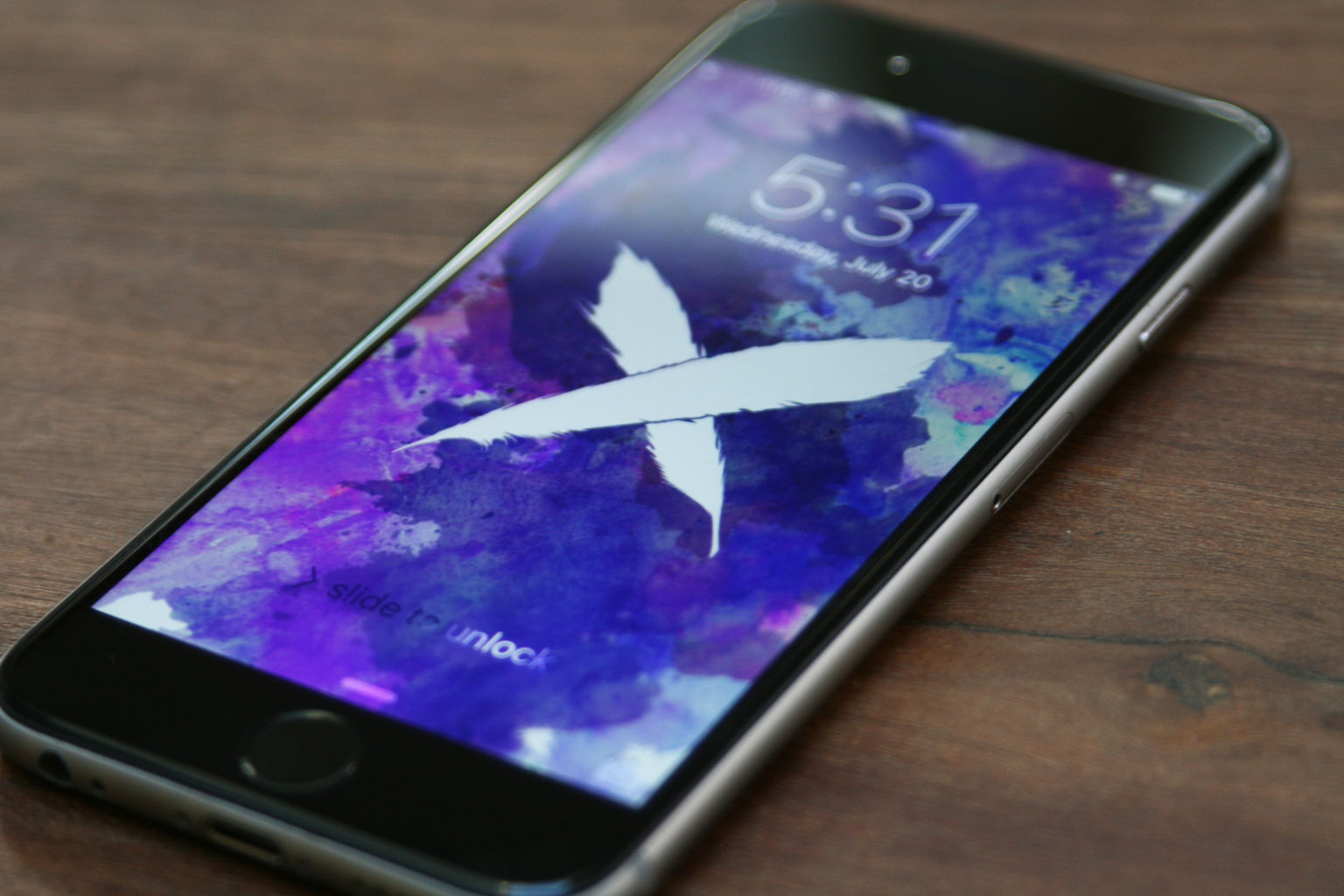
Below, an outtake from our 2014 shoot for the new site + about page where we look way too much like your new favorite band.
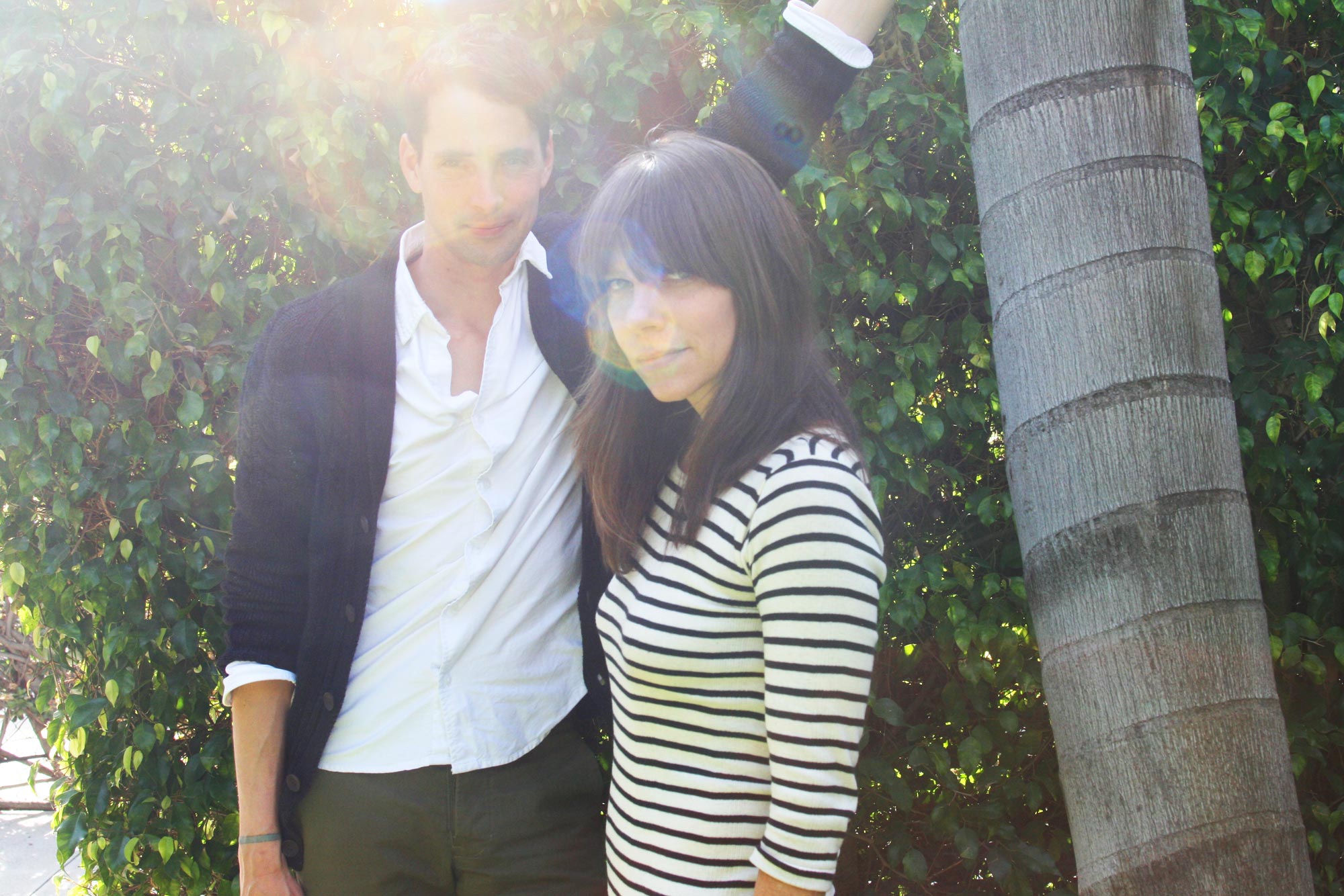
raven+crow_8093

Here’s hoping this weekend will be a safer one with no more wildfires in southern or central California…and while we’re wishing, let’s make it a miraculously, unexpectedly rainy one.

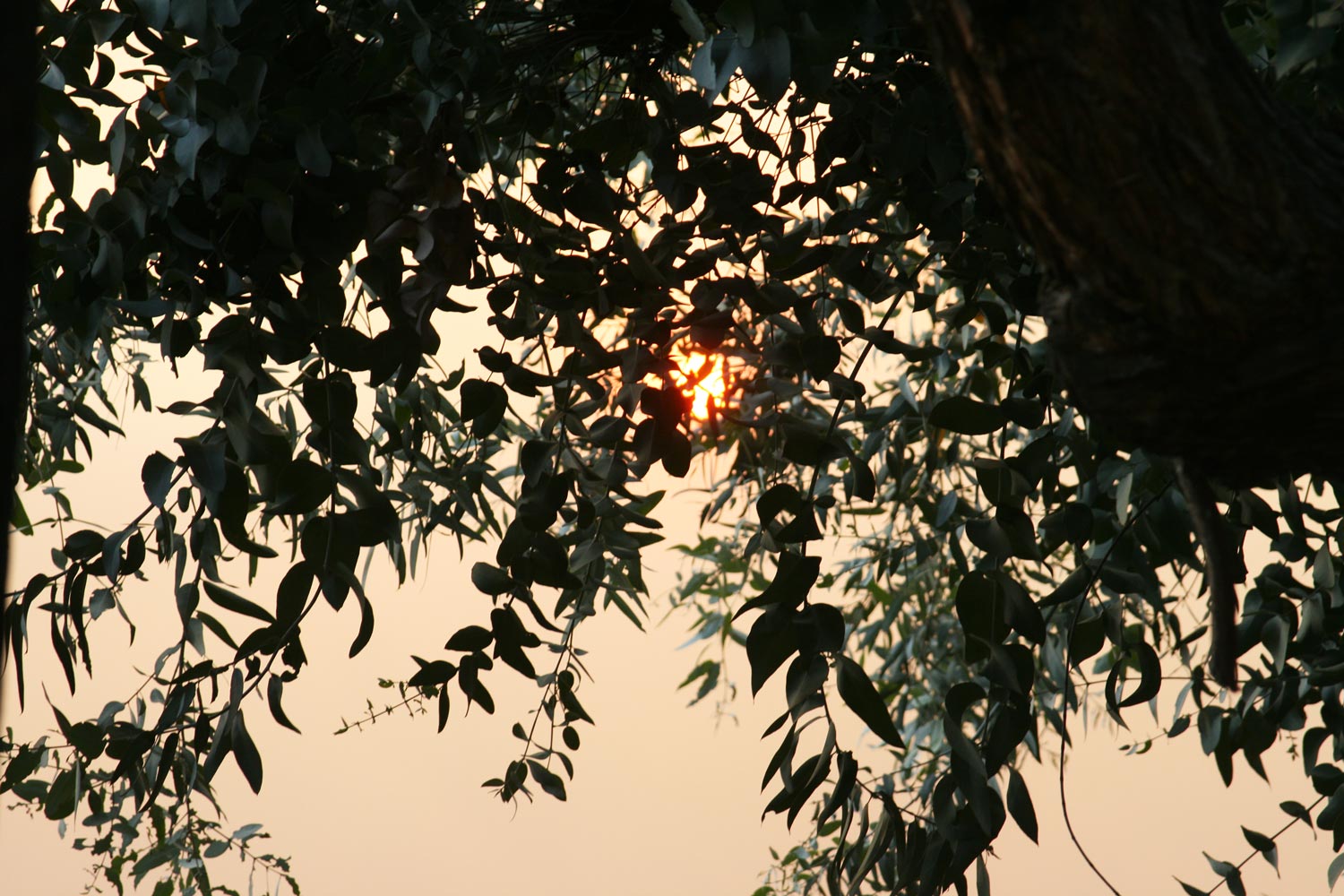
Shot from our neighborhood as the smoke from the Sand fire swept over Los Angeles this past weekend. Thoughts and best possible wishes to those fighting and dealing directly with both that fire and the Soberness fire near beautiful, magical Big Sur.

sand-fire-california_4262

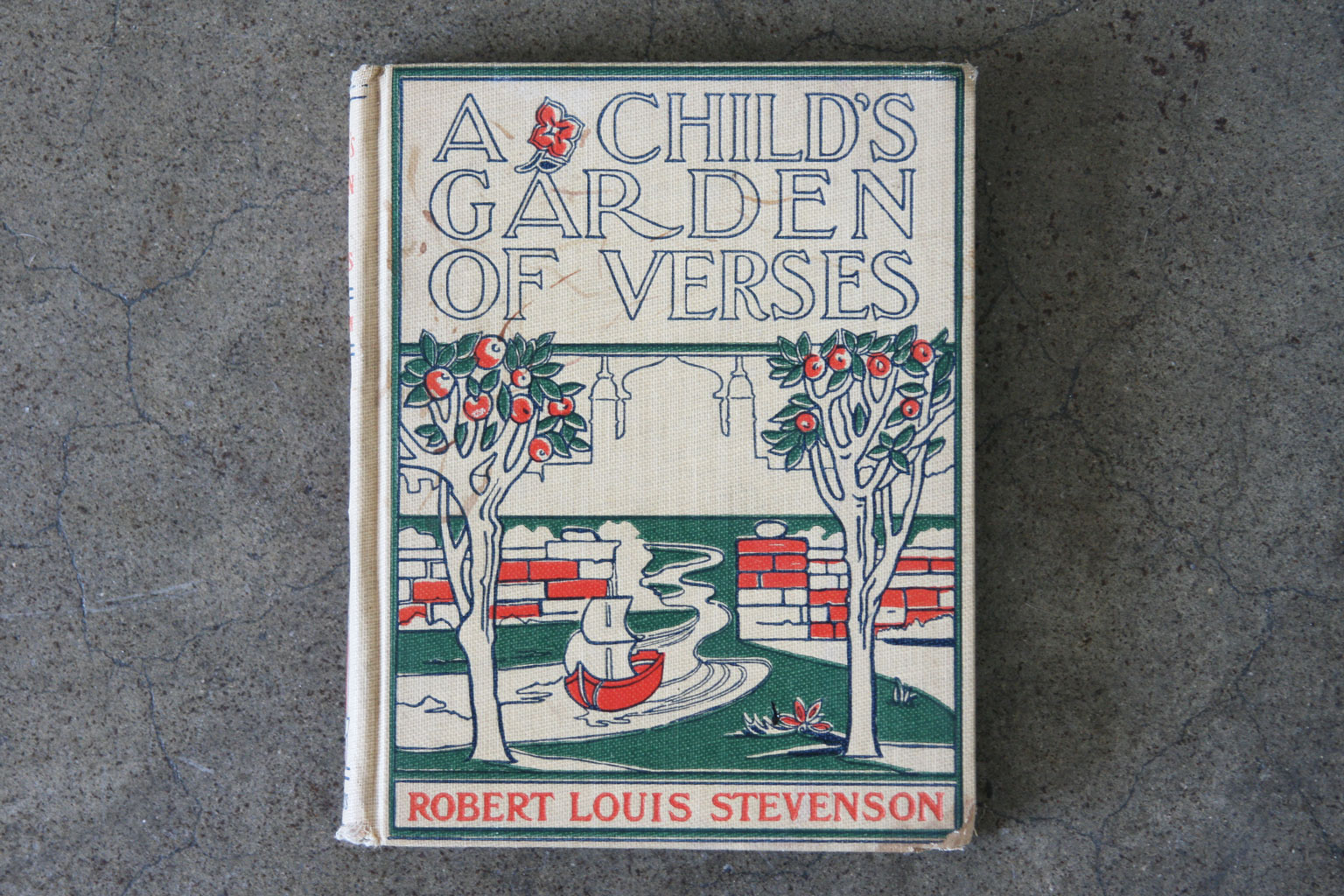
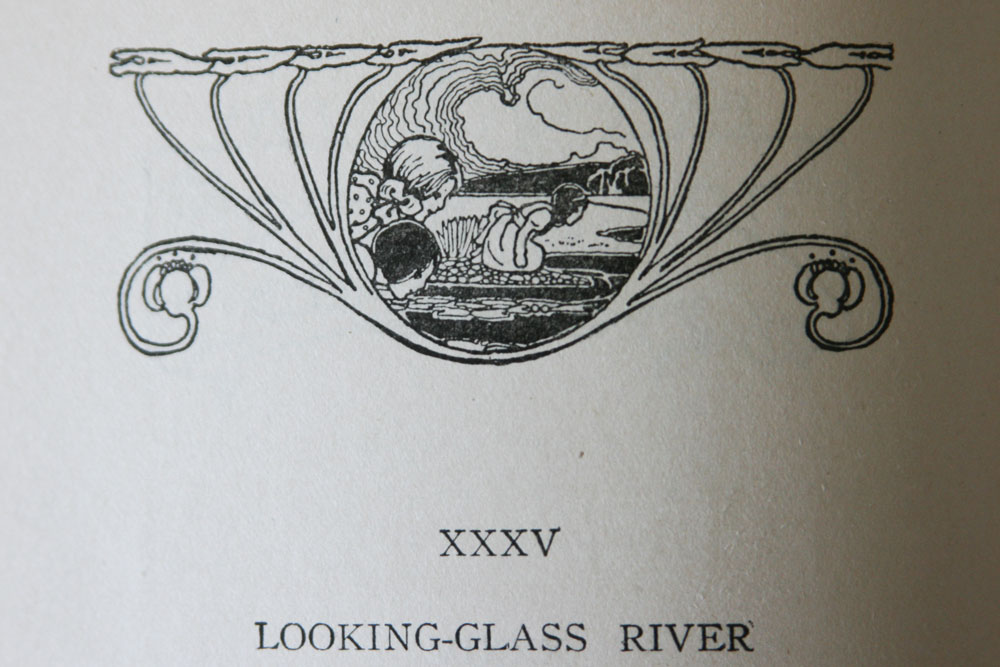
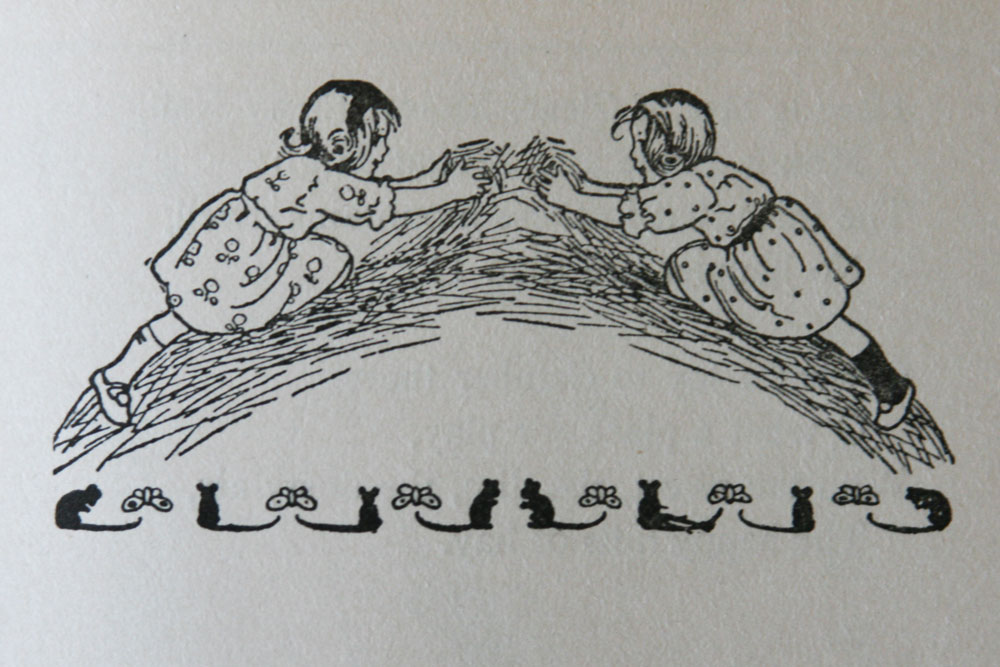
I have no idea where we got this book—likely from my mother’s extensive collection of old books I peruse through every time we visit her.

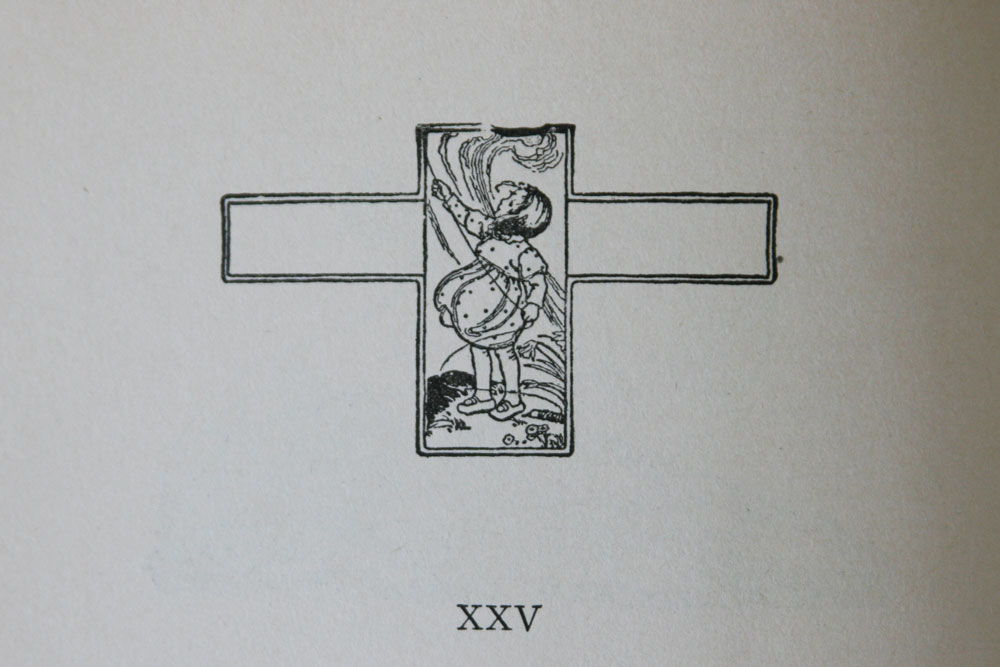
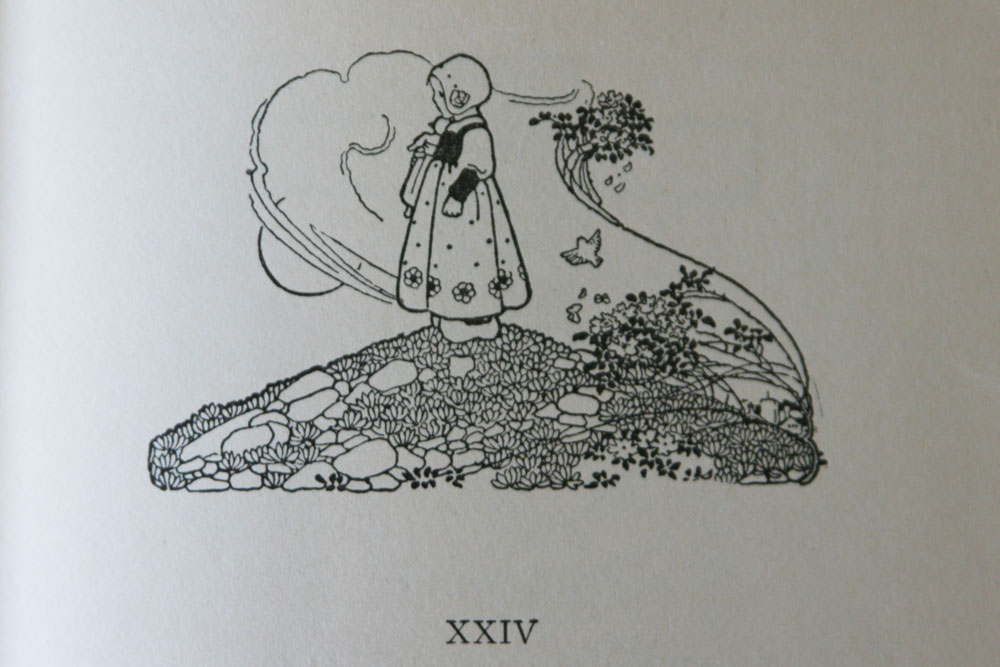
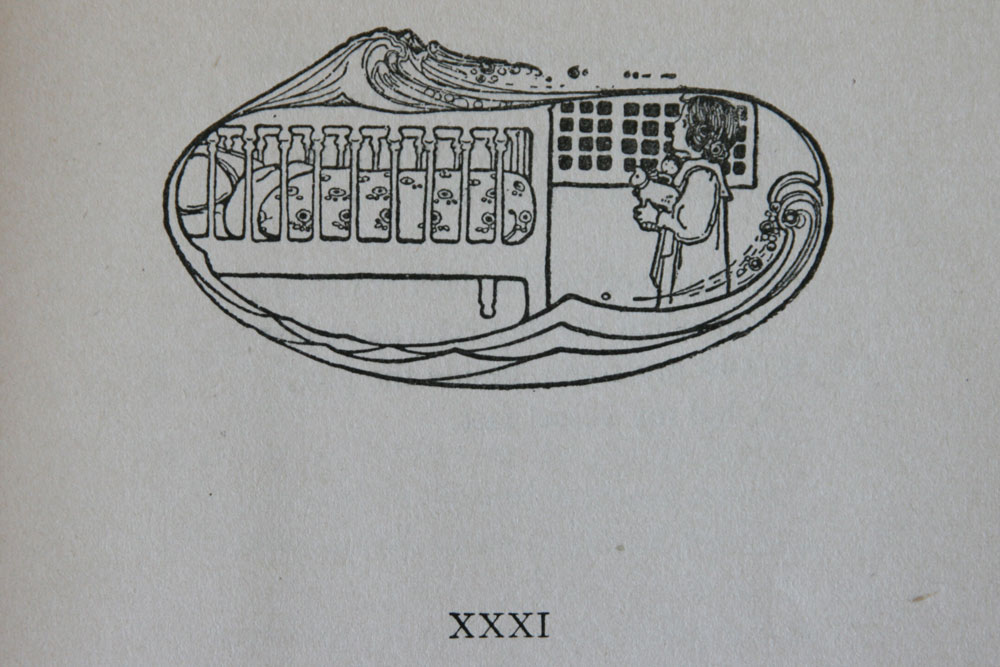
Though the illustrations for this are totally uncredited (and seem to be from various artists if the style of them is any indication), the cover and many of the page headers are truly beautiful and inspiring.

Originally published in 1885 and penned by Robert Louis Stevenson (Treasure Island, Kidnapped, Strange Case of Dr Jekyll and Mr Hyde) the content of the writing itself for this may not have aged so well. Take a look at his poem “Foreign Children” to see what I mean (you can click on that image to see a larger version).

foreign-children IMG_4298 IMG_4296 IMG_4301 IMG_4302 IMG_4306

Over the weekend, through a fortuitous combination of a sneezing fit and too much Pokemon Go, I once again smashed my damn iPhone.

So, yesterday, off to our our local Apple store I went, which happens to be located at The Grove. For anyone who doesn’t know, The Grove is a high-end, oft-joked-about outdoor mall in Los Angeles that I actually think is totally awesome. Hyper-consumerism is gross and all that jazz, granted, but I still have a soft spot for malls, most likely derived from my mall-crawling early teenage years (full disclosure—though I’m dubious of this ‘fact’ in hindsight, I was, so I was told at the time, the first male employee of the mall accessories store Claire’s Boutique).

Plus The Grove has a Disney-esque animated fountain, a relatively pointless but charming trolley you can ride from one end of the mall to the other, and painfully friendly staff at every turn. And the place is adjacent to Los Angeles’ Original Farmers Market and all its food vendors.

So, in short, not a bad place to spend an hour while they replace the glass display on your iPhone in my humble opinion. First stop—Fritzi’s for their most excellent sous vide vegan carrot dog on the pretzel bun.

But then, in a sudden shock, I realized I didn’t have my phone with me; thus no way to take a picture to visually sing the accolades of said most excellent sous vide vegan carrot dog on social media; thus no way to check my work email, personal email, and other work email; thus no way research and re-remember how to dungeon master for the next night’s long-awaited Dungeons and Dragons game; thus no way to play the aforementioned affronting Pokemon Go and “catch them all!”

After shock quickly panged into a mild dismay, I somewhat morosely ordered my most excellent sous vide vegan carrot dog (with vegan chili, grilled onions, and grilled peppers—they really are good),  and took my seat. Then, I breathed deep, took a look around, and realized it was totally fucking awesome not to have my phone. I sat, and instead of falling into a black hole of work and clicking and liking and commenting and read tiny, tiny words, I thought. About whatever, really. About how great it was that I had the freedom and flexibility to enjoy a very lovely day in a very lovely place. I explored my mind and fell into that old, all-too-neglected black hole. I zoned out. I noticed all the interesting people walking around. I slowly ate my most excellent sous vide vegan carrot dog full of rapt enjoyment, right away, without trying to find the best angle and light for the thing.

We’ve done our fair share of deliberate unplugging, and opting in and out of things in life is a constant source of conversation for us, but nothing beats totally not even having the option to opt in.

So I wandered around The Grove for a bit more, perusing some stores, making note of some books at the giant chain bookstore that I could purchase at one of our city’s many fine small bookstores, and asking some strangers for the time every now and then (all of whom looked at me like I was a crazy person—who doesn’t have a phone with a clock on it‽). I then wandered blithely and cheerfully back over to the Apple store roughly an hour later, happy to check the chore off my list of things to do but somewhat reluctant to willfully chain myself back to the rest of the world.

The kindly Apple store Genius guy handed me my phone…at which point I realized I had roughly one thousand messages that had come through in that hour, chief among them, ones that read something along the lines of “HOLY FUCK DUDE YOUR NEIGHBORHOOD’S ON FIRE ARE YOU OKAY”‽

With Katie back east for the week, and me out re-finding my phone-less self, that left our adorable dog Owen at home alone in what, by all immediate accounts, was a vast inferno. Clearly freaked out, I quickly got to texting our neighbor…who calmly…and somehow cooly (this guy makes even the most mundane task seem cool somehow; DJs, man) that there was not only one fire but TWO in the ‘hood—a giant mansion was blazing up at the same time as a 15 acre brush fire that was happily both one ridge line away and well-under control at that point.

Which is when I realized maybe technology’s not all that bad after all. I even got a handy and impressive electronic notice on my all-too-recently estranged iPhone after rushing home that the brush fire was out and evacuees were free to return to their homes. While simultaneously texting a friend, ordering a Lyft, and firing up Pokemon Go.

Maybe next time, life-changing epiphany. Maybe next time.

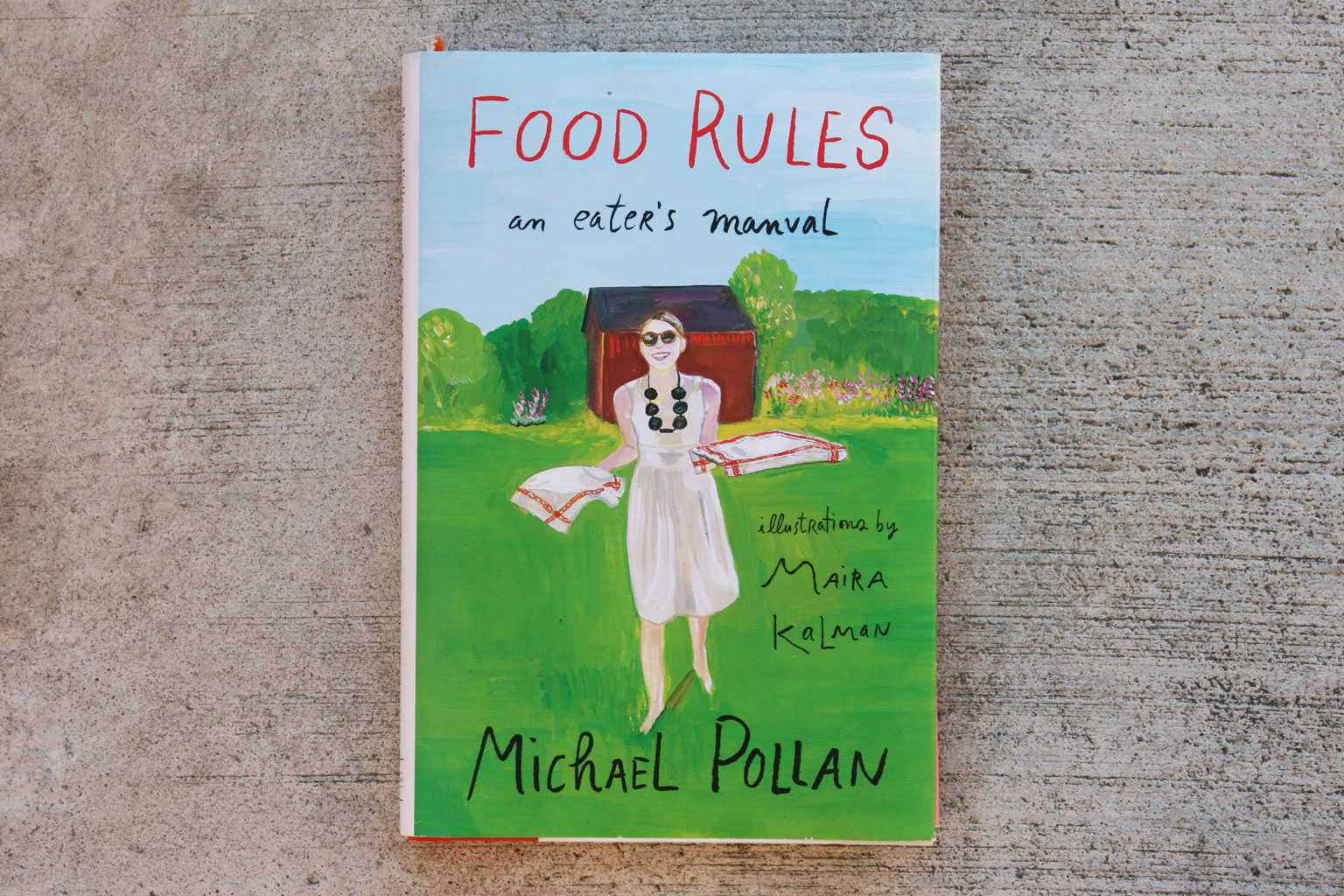
A new entry in our up until now unformed must-read short books list—the updated, illustrated version of Food Rules from food guru Michael Pollan.

I, for one, recoil by nature when I feel like someone’s telling me what to do, so I was hesitant to read anything presented as rules for eating. “Who are you to tell me what to do? Why do you know better than me or anyone else?” That kinda thing.

But after Katie read the book and loved it, and after getting through the brief introduction that presents these more as suggestions based more on cultural wisdom and traditions and the reasons behind than faddish science, I gave the short volume a try. Honestly, it’s changed how we think about food and, thus, how we cook and eat. Obviously, being longtime vegans, we already thought about food a lot. And me being someone who loves to cook at home from scratch, we were already doing pretty well in my opinion. But this book helped us really even more thoroughly examine our relationship with food in a really healthy way. And it’s readable in a single sit, which is always nice.

Highly recommended for foodies and just people who eat food. Which is all of us, last I checked.

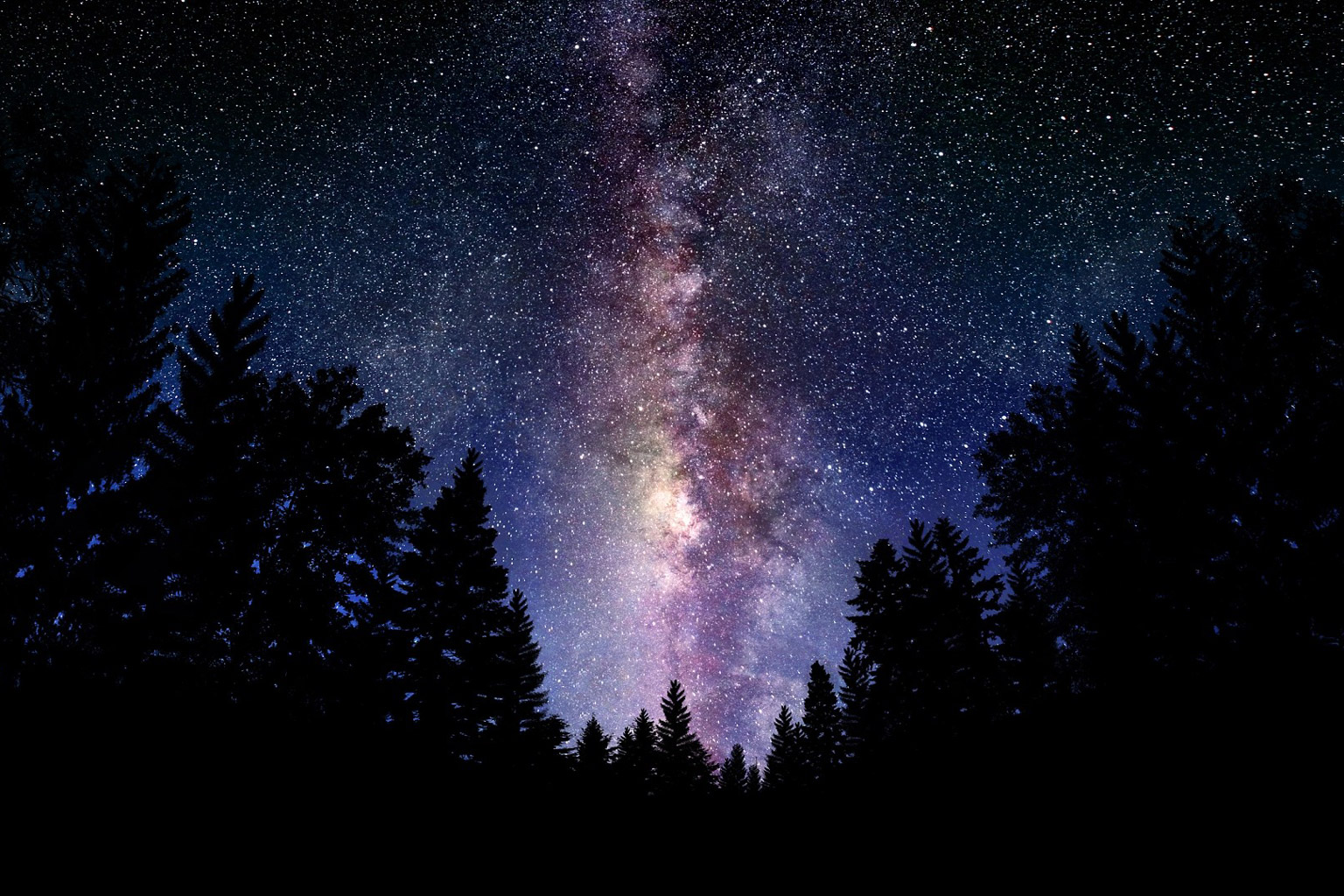
“The ultimate weakness of violence is that it is a descending spiral begetting the very thing it seeks to destroy, instead of diminishing evil, it multiplies it. Through violence you may murder the liar, but you cannot murder the lie, nor establish the truth. Through violence you may murder the hater, but you do not murder hate. In fact, violence merely increases hate.

Returning violence for violence multiplies violence, adding deeper darkness to a night already devoid of stars. Darkness cannot drive out darkness; only light can do that. Hate cannot drive out hate; only love can do that.”

Dr. Martin Luther King, Jr.

Thanks to our friend, Ella, for the quote; photo, NASA.

Peace to you all.

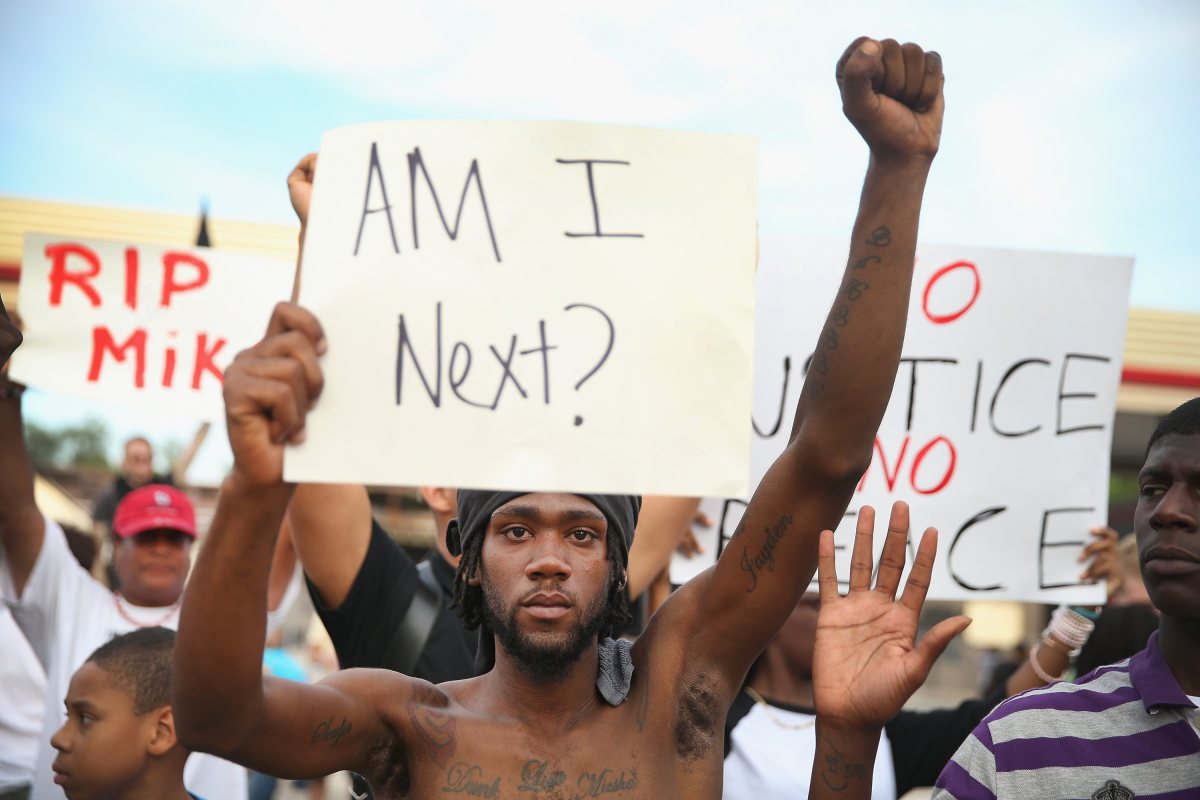
It’s difficult this week to think about or talk about or write about anything other than the the back-to-back, well-documented deaths of black men by police officers and the visceral reaction so many of us are having—and have had leading up to these deaths, in such an already violent, tragic year.

I’ve had the ‘black lives matter vs all lives matter’ discussion before. Many people have. Every time I come back to a breakdown presented almost a year ago by Reddit user (first seen by me via Mic) that I feel is worth sharing and worth being seen by anyone who has already seen it.

The full discussion is below, but Mic author Aaron Morrison did a wonderful job boiling it down:

On Reddit, user GeekAesthete broke it down with a perfect analogy:

Imagine that you’re sitting down to dinner with your family, and while everyone else gets a serving of the meal, you don’t get any. So you say, “I should get my fair share.” And as a direct response to this, your dad corrects you, saying, “Everyone should get their fair share.” Now, that’s a wonderful sentiment — Indeed, everyone should, and that was kinda your point in the first place: that you should be a part of everyone, and you should get your fair share also. However, dad’s smart-ass comment just dismissed you and didn’t solve the problem that you still haven’t gotten any!

The user continues:

The problem is that the statement “I should get my fair share” had an implicit “too” at the end: “I should get my fair share, too, just like everyone else.” But your dad’s response treated your statement as though you meant “only I should get my fair share,” which clearly was not your intention. As a result, his statement that “everyone should get their fair share,” while true, only served to ignore the problem you were trying to point out.

Then, the kicker:

Just like asking dad for your fair share, the phrase “black lives matter” also has an implicit “too” at the end: It’s saying that black lives should also matter. But responding to this by saying “all lives matter” is willfully going back to ignoring the problem. It’s a way of dismissing the statement by falsely suggesting that it means “only black lives matter,” when that is obviously not the case. And so saying “all lives matter” as a direct response to “black lives matter” is essentially saying that we should just go back to ignoring the problem.

As Morrison explains, the reaction online was powerful (again, read the original Mic article to see more). But more to the point, I feel like this explains what seems to be such a difficult-to-grasp concept so elegantly. And I feel it may be of use to some of us in the coming days, weeks, months.

Very much related—an essay by Sally Kohn: “This is what white people can do to support #BlackLivesMatter.”

Let’s hope for better times and peace.

Photo: Scott Olson/Getty Images.

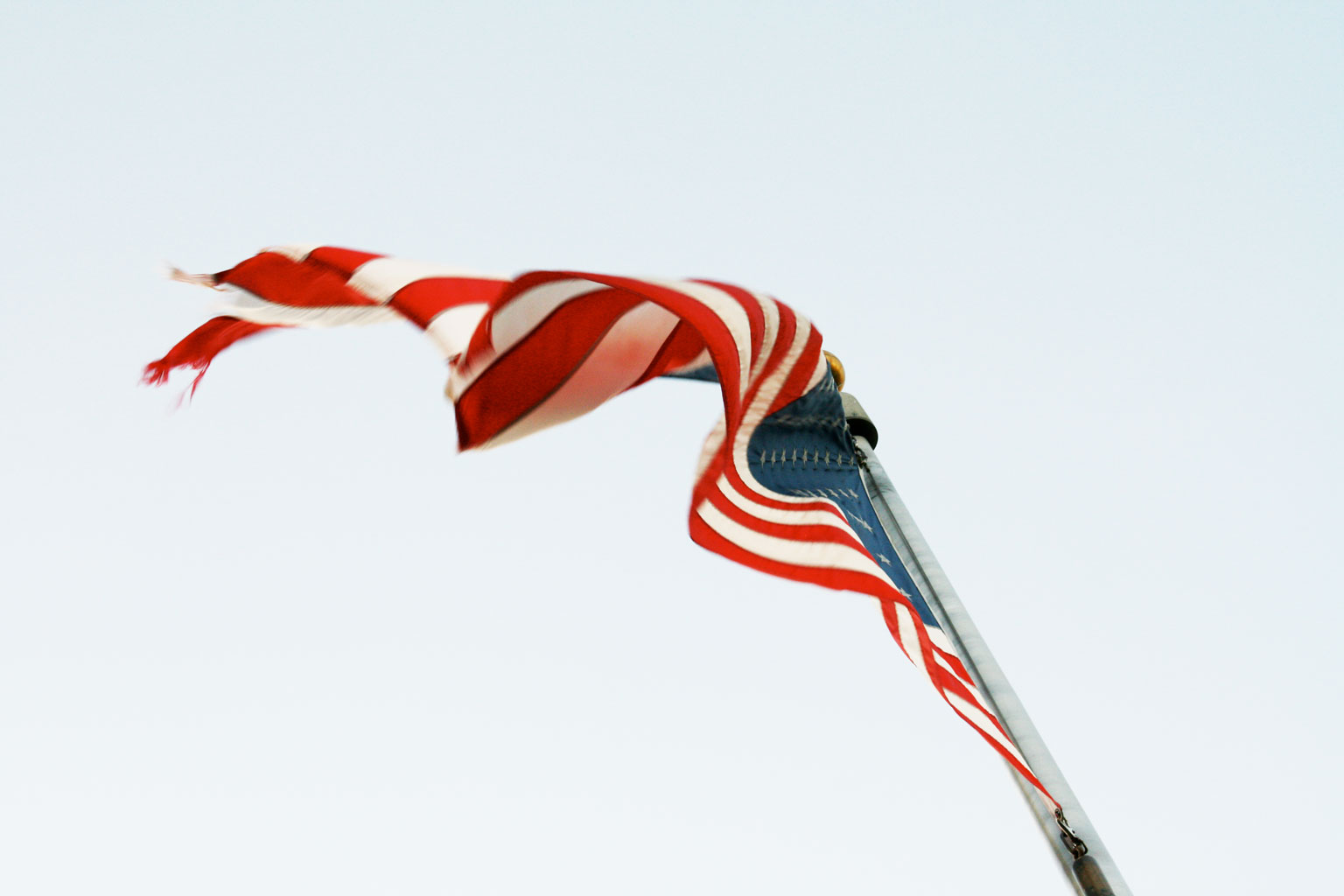
Happy birthday, America. Best of luck on your 240th year of existence—looks like it might be a doozy of one.

guest

The summer is usually a pretty low-key time for sports. The NHL and NBA are over, it’s still a couple of months before college football starts, and it’s still too early in the MLB season for the games to mean much.

But that doesn’t mean there isn’t anything worth watching! Right now, we’re kind of in a sweet spot for soccer, and even if you don’t love sports, I bet you love America, and even if you’re on the fence about America, and this election has you researching properties in Vancouver, I bet you still love people being kind to other people.

The U.S.Men’s National Team is playing in the Copa America tournament and just won a thriller of a quarter-final last week against Ecuador, which means they advanced to the semi-final today.

That’s reason enough to root for them, but their touching actions in the wake of the horrific massacre in Orlando should make you root a little harder.

There were the usual moments of silence at ballparks and stadiums around the country, but the USMNT took it much further than a perfunctory bowing of their heads. First, they released a new video that honors the LGBT victims of the shooting and sent a strong message of unity.

I don’t blame you for getting a little choked up watching it.

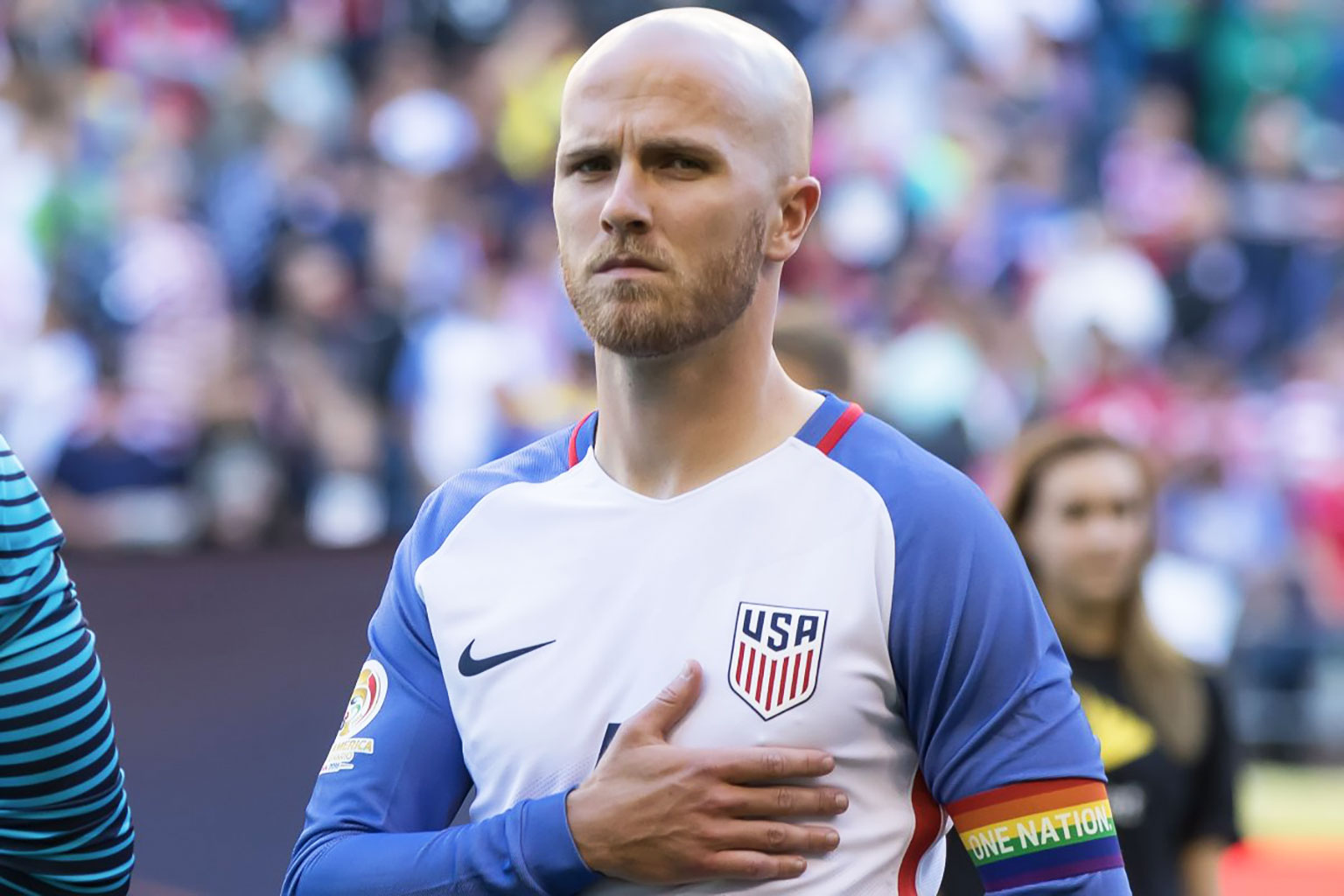
But their gesture didn’t stop there. On Thursday, USMNT captain Michael Bradley took the pitch against Ecuador wearing a rainbow armband with “One Nation” written on it to pay tribute to the victims.

I know it’s not a big deal, but it feels like a big deal. Professional sports still has a long way to go when it comes to equality and inclusion and the Men’s National Team stepped up in a very vocal and visual way.

But I’m not saying you should only root for America. Euro2016 is also happening right now, and there’s been enough insanity happening off the pitch to make it a must-watch. Disregard the disgraceful actions of some fans, who’ve been fighting and rioting in the streets, and instead embrace the kind of celebrating England fans did after defeating Wales 2-1 during their match last week.

The dudes in this bar got so stoked they rained beer down on everyone.

On the other side, here’s a Welsh fan BREAKING DOWN IN TEARS during the same game.

This is what soccer does. It makes you want to douse strangers in alcohol and break into unreasonable tears. How can you not love that?

Anyway, the USMNT have a semi-final match today and Euro2016 is still in group play, which means you have plenty of time to practice your beer-dumping celebrations.

Hemal Jhaveri is the Senior Social Media Editor for USA TODAY Sports Media, a resident of the District of Columbia, and, above all else, an awesome person. In the past, she’s worked as Executive Director of Digital Innovation at Politico, Executive Producer at AOL, and in various positions of prestige in worlds of politics and sports. She’s also contributed to an ongoing series on these pages titled Please Explain Sports, where she eloquently explains various sports and sporting activities to people who don’t follow sports that closely. Feel free to contact us if you have any timely or timeless sports-related questions you’d like Hemal to tackle.

Photo: USMNT.

guest

The Cleveland Cavaliers won the NBA Championship on Sunday night, and on the surface, that doesn’t really mean much unless you’re a basketball fan. Discover More Here as it can feast the eyes of basketball players. But this victory, unlike other championships, feels like it means so much more.

First off, the Cavaliers came back from being down three games to one against the Golden Sate Warriors, who had basically been unbeatable in the regular season. Before the Finals started, people predicted that Cavs would be hard pressed to win one game against the Warriors, much less the series. That wasn’t a knock on Cleveland per say, but a testament to how dominate the Warriors have been all season.

And for a few games it looked like those prognosticators were right. The Warriors dominated the Cavs and pushed them to the brink. The Cavs then had no choice but to win three games in a row, becoming the first team in NBA history to come back from a 3-1 deficit to clinch a title.

That’s all well and good, and everyone loves an under dog, but to really understand what this means, you have to understand LeBron James’ complicated relationship with his hometown, and how the places we leave often have a way of calling us back.

LeBron started his career in Cleveland and played there for 7 years before he became an unrestricted free agent. He had a choice to make. Should he stay in Cleveland or move on and pursue his dreams of an NBA championship? After a lot of hand-wringing and speculation, LeBron decided to sign with the Miami Heat.

Now, him leaving Cleveland was a big deal. People hated him for it. They said he was disloyal and that he had abandoned the city to chase personal glory. And honestly, that was partly true. In Miami, he won two NBA titles with the Heat, achieving personal greatness. But in 2014, he opted to not re-sign with the team and returned to Cleveland.
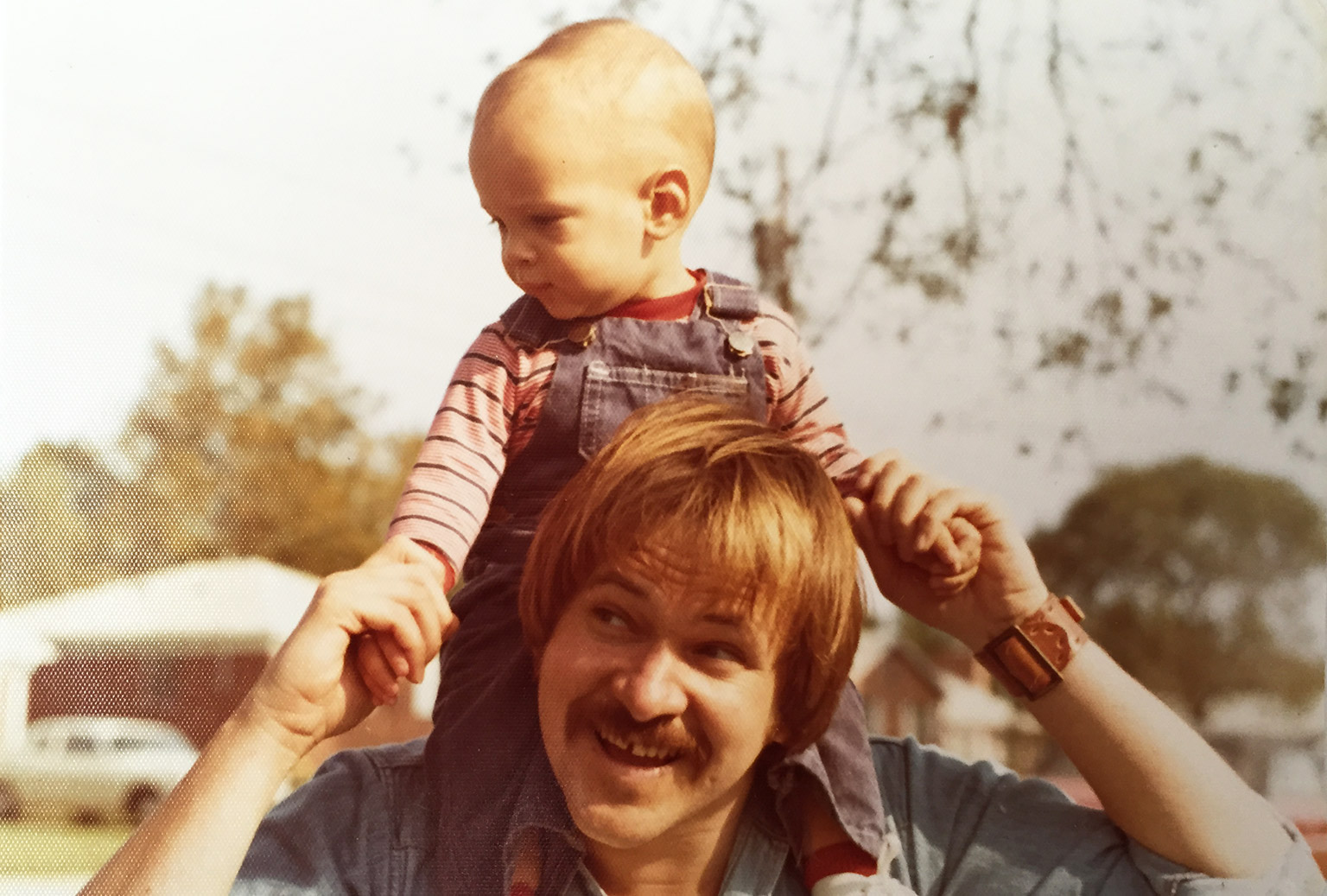
In a moving essay in Sports Illustrated, he spoke candidly about why he wanted to come home.

“I want to give them hope when I can. I want to inspire them when I can. My relationship with Northeast Ohio is bigger than basketball. I didn’t realize that four years ago. I do now.”

LeBron has always been clear about why he came to the Cavs. It wasn’t really about him (though he did get a huge, $42 million contract) but about bringing the championship back to a city that hasn’t seen one in over 50 years. That was the promise he made and the city welcomed him back with open arms.

And on Sunday night, LeBron played the game of his life to fulfill that promise. He led all Finals players in points, rebounds, assists, steals and blocks. He didn’t just play, he performed to the best of his ability.

There’s a joy in watching someone be incredible at their job, but watching LeBron play, you could tell he wasn’t doing it for himself really, but for everyone in North East Ohio, an area that has struggled and been economically depressed for so long.

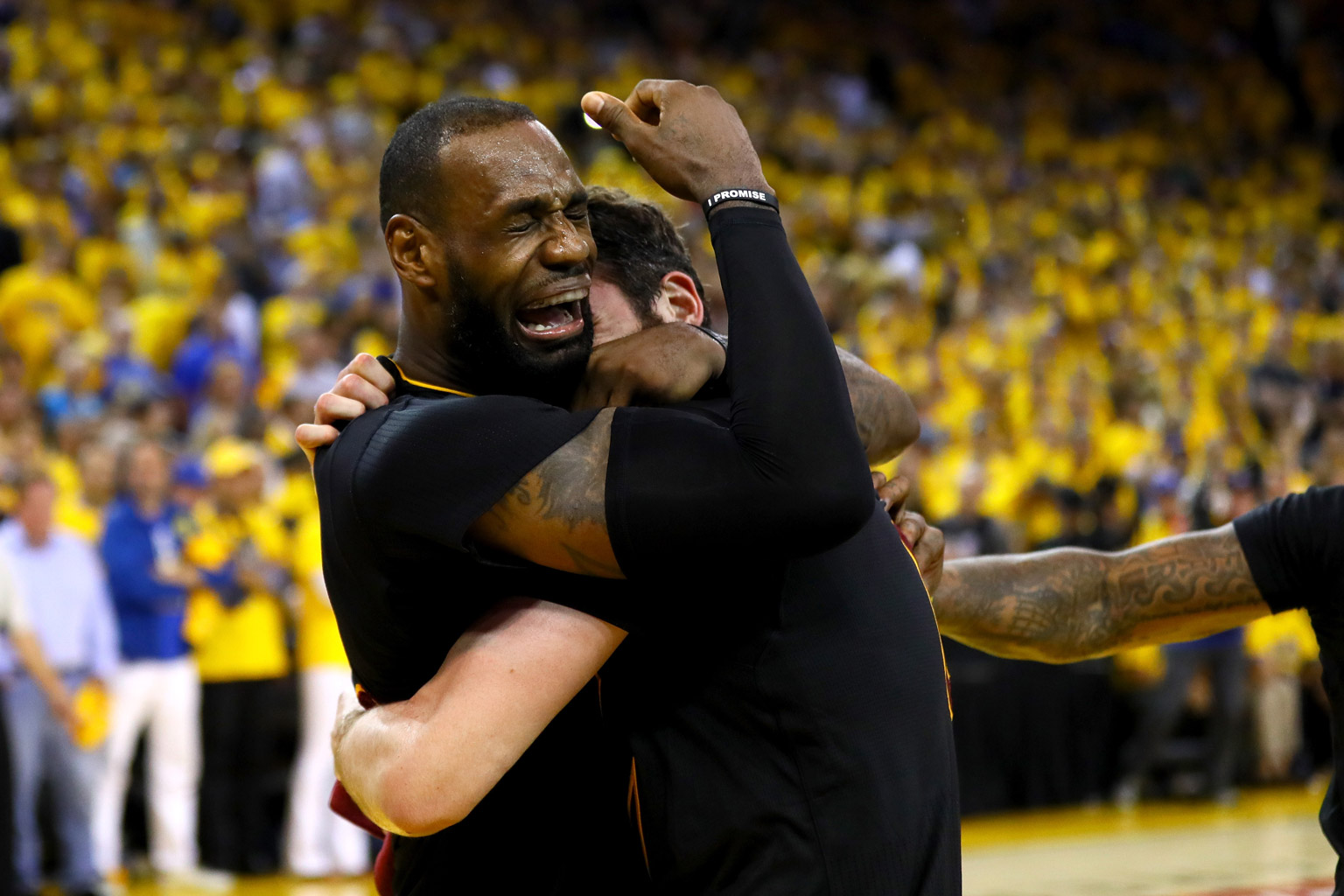
And if it wasn’t clear in his play, it was clear in his post-game celebrations and interview. After the final buzzer, LeBron fell to his knees and sobbed.
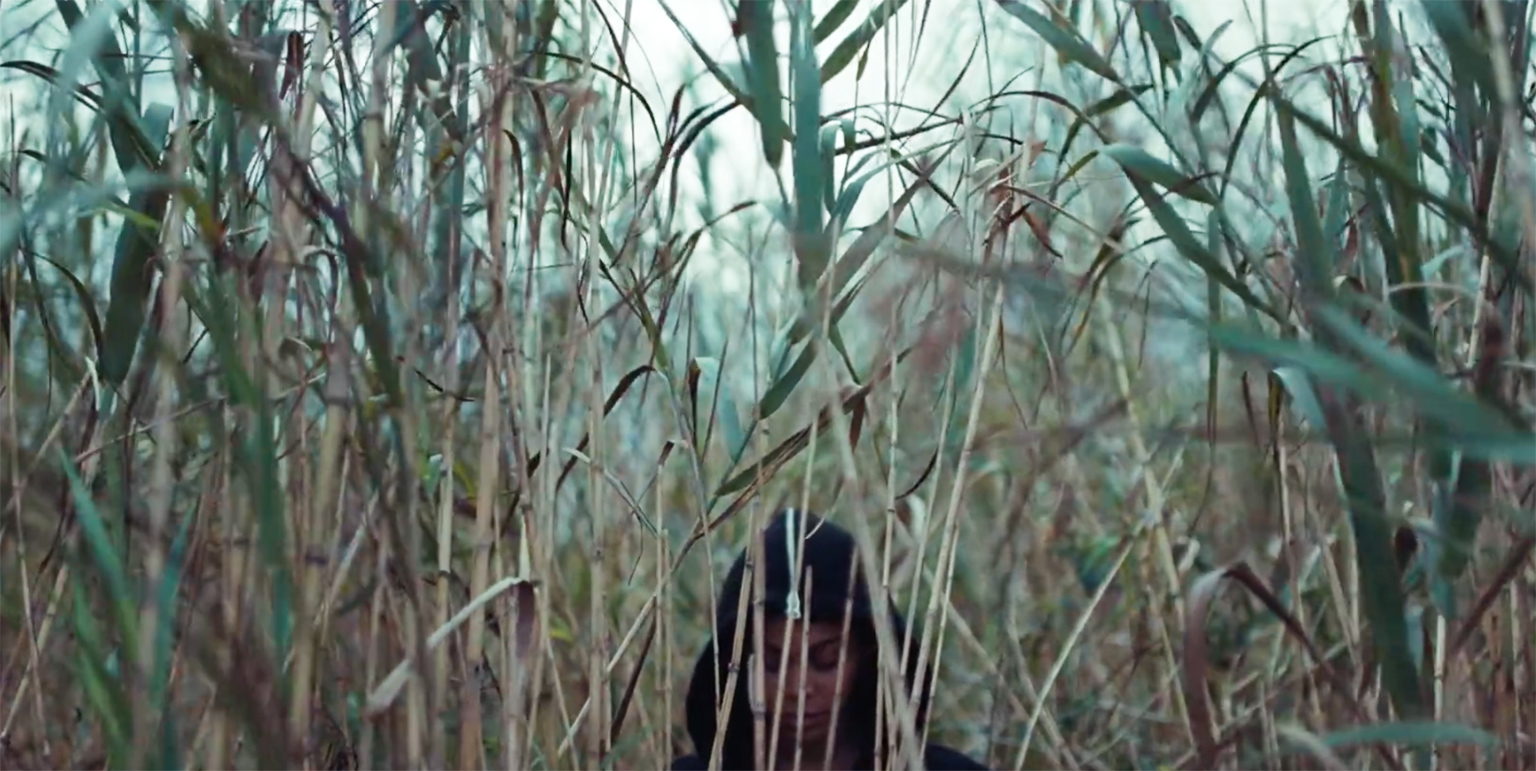
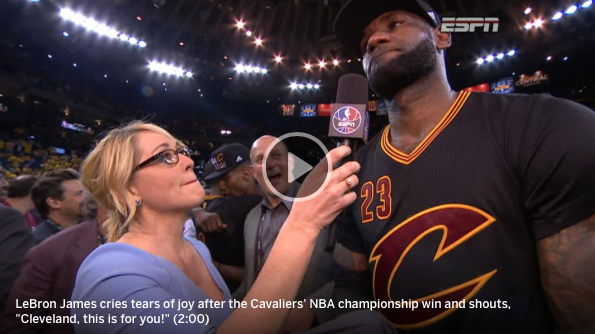
When he spoke to Doris Burke, LeBron wasn’t able to hold back his tears either.
“Cleveland, this is for you,” he roared.

Screen Shot 2016-06-20 at 11.34.13 PM

I’m not going to lie, I’m not from Ohio, but even I cried watching it. Of course, LeBron wasn’t the only Cavaliers player to perform last night, but it was clear the responsibility rested on his shoulders.

Just look at him embrace Kevin Love after the final whistle.

It’s moments like this that make it clear that sports aren’t always about what happens on the court. An NBA Championship won’t fix any of the economic problems in Ohio and it won’t make the job market suddenly take a sharp turn upward, but it will give people some tiny piece of hope, some tiny bit of connection to those around them and make them say, ‘Holy shit look what we can do.’

Hemal Jhaveri is the Senior Social Media Editor for USA TODAY Sports Media, a resident of the District of Columbia, and, above all else, an awesome person. In the past, she’s worked as Executive Director of Digital Innovation at Politico, Executive Producer at AOL, and in various positions of prestige in worlds of politics and sports. She’s also contributed to an ongoing series on these pages titled Please Explain Sports, where she eloquently explains various sports and sporting activities to people who don’t follow sports that closely. Feel free to contact us if you have any timely or timeless sports-related questions you’d like Hemal to tackle.

Photo: Getty Images.